
Does a large purchase cancel out frugalities?
A reader recently sent me this email after buying a car:
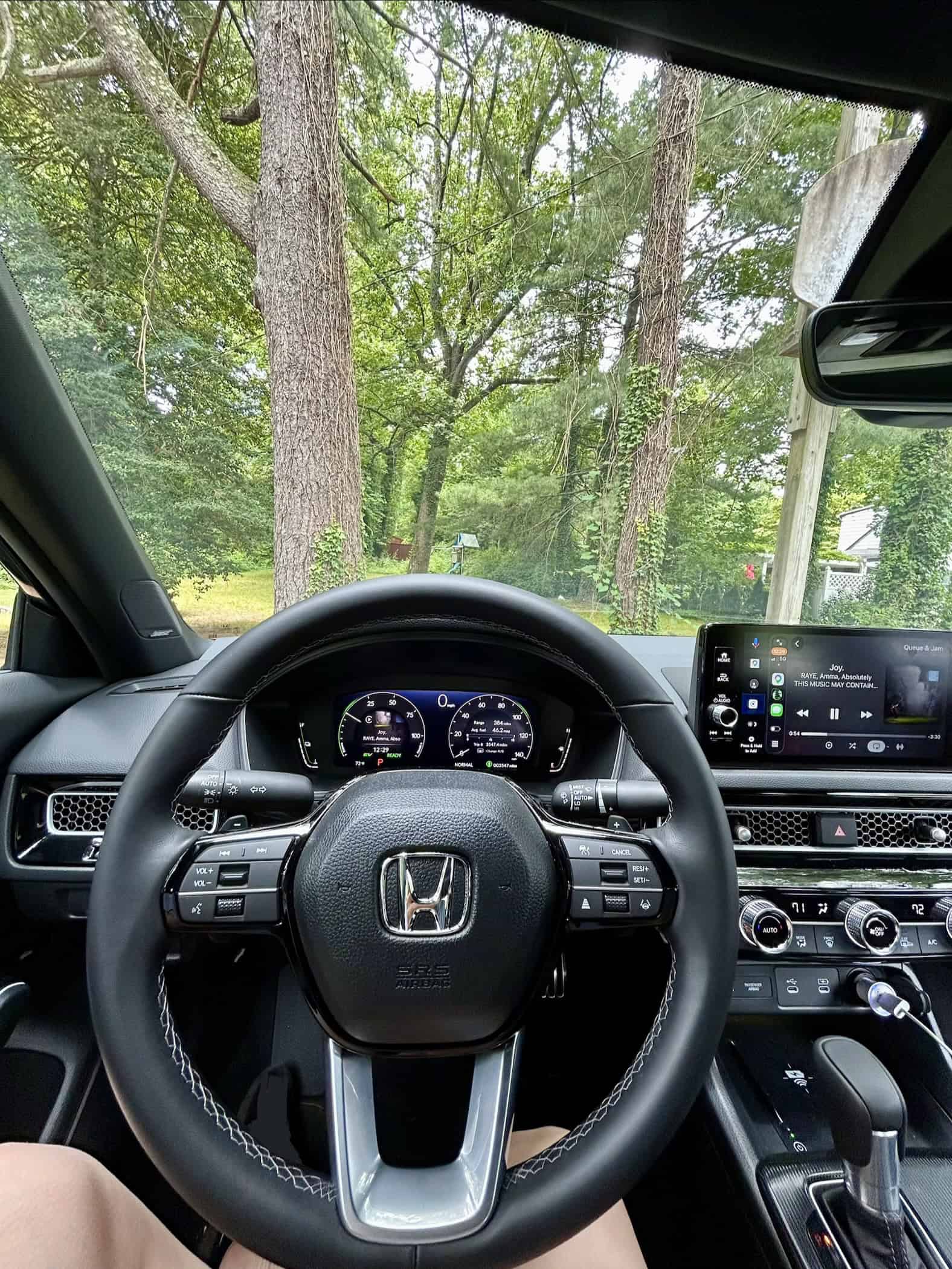
I have a question which perhaps you have answered before and if not maybe it would help other readers. I know you just bought a new car so maybe this is a fresh topic for you. I needed a new car after my current car was 16 years old and starting to have issues that warranted replacement over repair. Making such a large purchase made me feel like my daily money saving efforts weren't worth it if a car costs tens of thousands of dollars. Like what does saving $5 matter, it is a drop in the car bucket! Because I keep cars for so long I bought something that I hope to keep for a long time and get my money's worth but it was tough for my frugal heart.
Also, like you, I see my car in the parking lot and am like I can't believe that is mine!!
I can definitely relate to this line of thinking, and probably lots of readers here can too.
I have mostly struggled like this when I have a big expense that is unplanned. And it's even worse if it results from a mistake on my part.
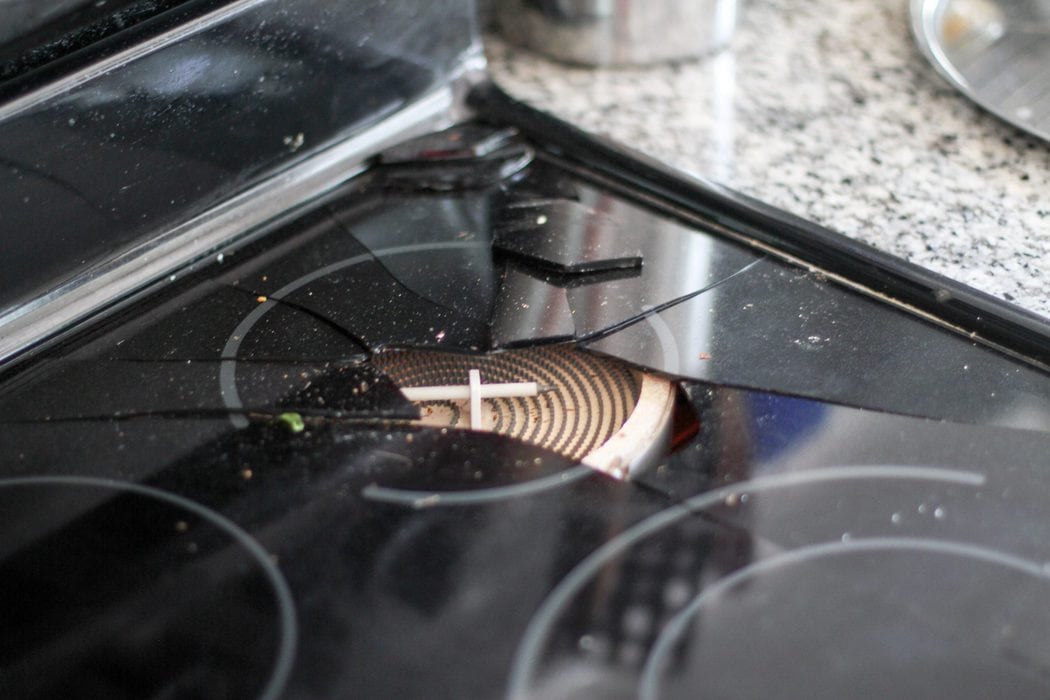
For example, when I broke my glass stovetop and then had to buy a whole new oven/range, I ended up feeling like, "Ugh, what was even the point of cooking dinner that night? I could have gotten takeout lots of times and still not spent the equivalent of the price of a new appliance!"
Or one time when my kids were younger, we went to a company event at Six Flags, where admission was free. But in the parking lot, someone backed the prongs of their bike rack through my back van window and shattered it. This happened shortly after I'd moved the van from its original parking spot, and I kicked myself for that for sure!
I've also beat myself up for getting a cancellation fee, or for forgetting to cancel a subscription service.
And probably the largest expense I have incurred is my divorce. I paid so much money in legal fees, and lost essentially half of my material wealth (since divorces generally split things 50/50). That could make me feel like all my frugal efforts over the years were basically erased.

All of that is to say: I understand the unhelpful paths a frugal mind can take in such cases. In fact, I wrote a whole tutorial on how to make yourself miserable after a money mistake.
What helps me
When I'm struggling on this front, here are some things I tell myself.
1. What you do every day matters more than what you do once in a while
There are limits to this (buying a yacht even every few years would ruin most of us), but generally speaking, our daily spending/saving habits are what matter.
When I broke my stove, I did basically waste $700. But over the years of my adulthood, I have saved far, far more than $700 by cooking dinner. In the big picture, $700 is a drop in the bucket.
2. Spending is made possible by saving
I paid cash for my Civic, so I own it free and clear. That was a big cash outlay, and it was a little bit painful, but you know how I saved up that money? Largely, it was by keeping my expenses low!
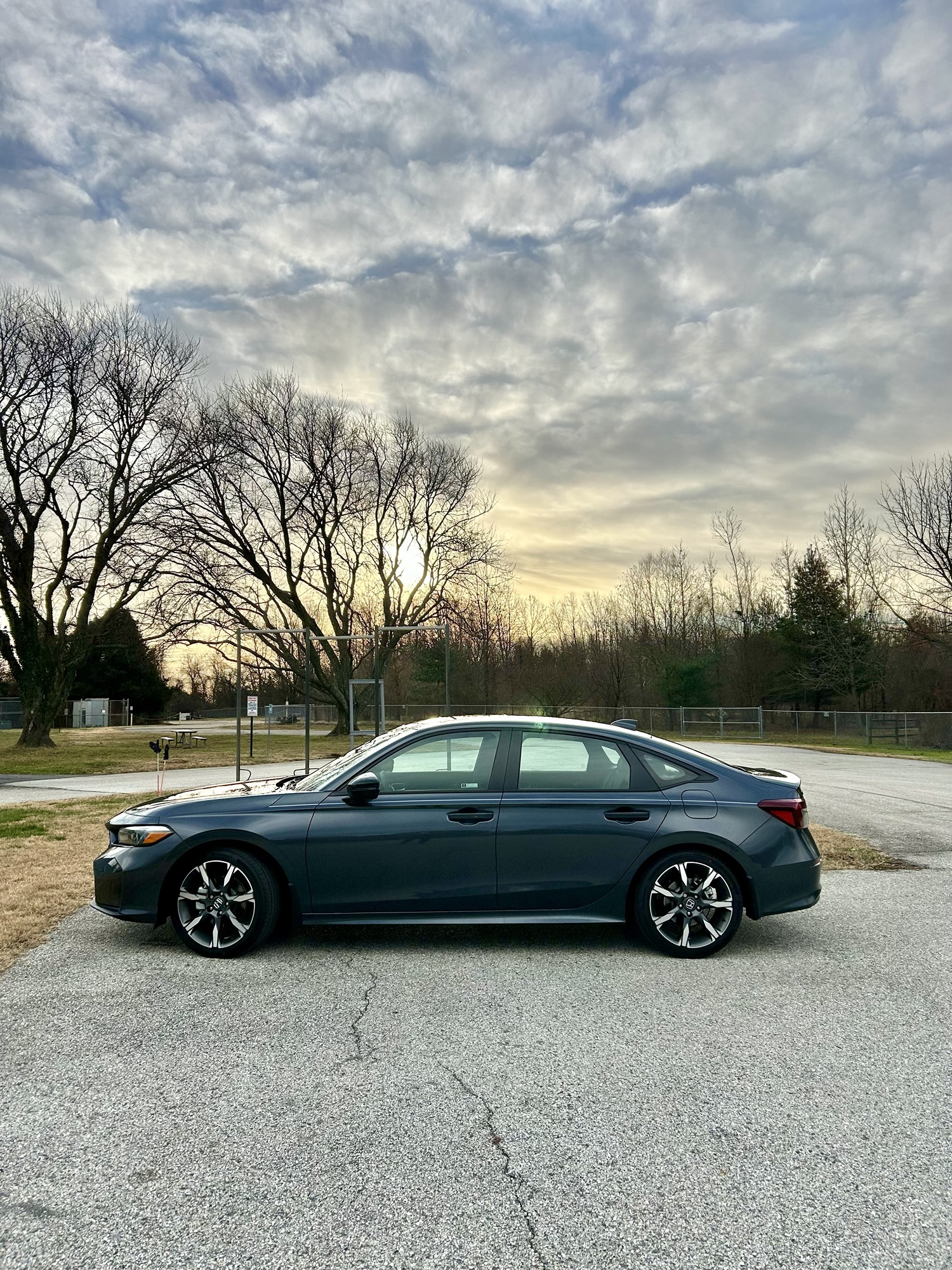
I mean, obviously I had to earn the money too, but the frugality is part of what made it possible to sock away enough of my paycheck to buy a car in cash.
If you had been buying whatever you want, whenever you want, as a matter of habit, you probably wouldn't have been able to buy your car either! Your money-saving lifestyle ($5 savings included) is part of what allowed you to buy the car. 🙂
3. Sometimes, spending is the whole point of saving
I know our frugal hearts dearly love to sock away money, but in the end, money is a tool, and tools are meant to be used.
Why do we work so hard to save money? Usually, it's so we can avoid debt, build a financial cushion, prepare for the future, and also buy the things we want.
(Like a car!)

When you get to your retirement years, and you start using the money you've socked away, it would not make sense to think, "What was the point of doing all those frugal things for all those years? I'm just spending all my money!"
You worked hard to save all that money specifically so that you could spend it.
I've had to remind myself of this when I've had to spend an emergency fund too; that is literally the point of the emergency fund! It's for spending on emergencies. Ha.
To say it all more briefly:
- Your daily habits are what matter most
- Your frugality wasn't pointless; it is what helped you save
- The point of saving is to enable spending
So, nope, your frugality wasn't pointless at all.
Readers, what advice would you add to mine?
P.S. A bonus thought, which applies when the spending results from a mistake or accident: I remind myself that the spending would have happened regardless. It is not tied to my frugality, and I'd be even worse off after the expenditure if I had not exercised all that frugality prior! The spending doesn't mean the saving was pointless.
P.P.S. I think I have more to say about how I now view the frugality I employed while married, so I'm probably going to write about that in a separate post.


Buying a new car was frugal. Spending money on a car that would just continue to require repairs and parts, while continuing to lose value, would not make sense. Repairs require time, money, labor ( yours or someone else's), you need to find alternative transportation ( also time and money cost), and you would not be able to trust your car ( we have had old cars that only stayed in town- we couldn't trust that they'd last going too far. Luckily, those were the kids " drive to high school parking lot and if someone backs into it no problem" kind of cars- with 16+ years and many many miles). A car is a cost - new or old- and you need to remember the cost will be carrying you forward for years.
Take the price of the old car - divide by the number of years or miles proven. That's how much you need to plan to spend per year. So $32K for a new car seems like a lot, it's really $2k per year, where it's providing you with transportation, freedom of movement, and security. Renting a car or taking a taxi instead would be a lot more money. ( it's like buying a house versus renting- for long term stays, buying makes more sense usually. )
I hope your new car lasts for the next 16 years!
Well stated!
Also, Kristen said she paid cash for her car. Calculate how much it would cost if she financed it. She ended up getting a good bargain!
The small daily frugalities enable the big purchase/spend/investment that is needed, or gives joy.
And if you spend money you scraped together on something you neither need nor enjoy, it probably goes in the painful bucket "cost of learning". We have all been there sometime or to some extent.
As always, it helps if you understand your true needs, so you can try and use your savings for those needs.
I don't think large expenses are necessarily unfrugal - with a good car you will benefit for years to come, rather than if you had spent less on something more likely to need repairs/stop running entirely, and I think the same goes for many high quality purchases. If you buy something cheap just because it costs less you're likely to spend twice anyway because it will probably break sooner. Obviously you don't have to spend lots of money on every item (you can often find great things in thrift stores, for example), but some things are worth spending a lot of money on to start with.
I would also apply this to experiences; sometimes it costs a lot to take a trip, but if you can afford it and know you would appreciate visiting somewhere new and/or being with friends, it's often worth it. With the divorce, it was definitely worth it to no longer be married!
I struggle more when I spend a lot of money on a mistake, or if I spend without thinking and then in retrospect realise it was a waste of money. In those cases I give myself grace and figure there are worse things in life and it's not the end of the world. It's frustrating but my budget isn't so tight that I can't afford it.
You are frugal so you CAN spend money where it’s important to you. All those little daily cost-cutting habits and methods add up and matter when you do need to spend money. In my case, I don’t spend money on vacations, clothes, boats, manicures/pedicures, fancy restaurant meals, etc. Those things are not important to me. A reliable car, that’s important to me. That’s where I choose to spend my saved funds.
We keep saving pots separate so the new car fund is for the new car and yes, it sucked seeing my net worth total drop hard the next month.
All of the suggestions above are valid. You could list the car as an asset if it makes you feel better, as long as you list yearly depreciation.
We bought our house outright.* Even though we'd saved for years and planned on doing this very thing, I was physically ill for days from the stress of spending so much money. Once the stress wore off, the gratitude for the results of our hard work finally had room to breathe. The more topsy and turvy the world and life are, the more that "This is ours" gratitude grows and becomes a point of relief, not stress. When you see your car in the driveway, let your gratitude breathe! All those random $5 savings earned you this moment.
*Low cost of living area, rural vs. city, some dumb luck and an amazing realtor who fought for us. Ours was not the highest bid, but he emphasized that we wanted the house as a HOME, not a flip or a rental, and that mattered to the seller.
I also own my home free and clear. I'm spoiled not to have to make a big fat monthly house payment! The crazier this world gets, the better I feel about it; no one can take my home away from me. As Dave Ramsey says, "scientific research shows that 100% of foreclosed houses had mortgages." The relief I get from not worrying about how to pay the mortgage is, to quote an old Mastercard commercial, "priceless."
I attend a lot of Zoom meetings for solo agers. At the last one, someone mentioned that trying to convince people that they need to spend the nest egg that they've spent their lives accumulating is impossible. People save for a rainy day; when the rainy day comes, they convince themselves that a rainier day is around the corner.
Guilty, guilty, guilty! I am that "rainier day" person. 🙂
I am also right there with you on this as a 72 years old single with no family….there always seems to be something worse I think will happen so play everything close to the vest and still hold on and save money for something worse to happen. Ugh!
My parents are doing this now and it's so frustrating to watch. My dad in particular has made their lives so much harder, unnecessarily. I hope I will remember this when I'm in this stage.
I believe not spending money because of a "rainy day" is a way of trying to control an unknown future: mortality ( too long or unexpectedly short); unforeseen physical, emotional, economic collapse; inevitable loss of independence. I would imagine those aging alone might suffer these fears to a greater extent. The truth is, though, that people with husband and families also end up aging alone.
When I did my 4th step inventory in Alcoholics Anonymous, I realized I was afraid of dying alone. I was 23 at the time. Then my sponsor, twice divorced and childless, went on hospice. She had AA members take care of her until the end and had over 250 at her funeral.
Planning and saving for retirement is prudent. I believe, however, the most important aging tip is nurturing your spirit through self enrichment, service and community. This builds a faith in a higher purpose/power that will sustain any end of life scenario.
The point of money is to spend it. The point of frugality is to spend money on the things that are important to you instead of wasting it. Saving money indefinitely is not frugality, it’s miserly. I can’t actually think of a greater frugal triumph than packing lunch every day so you can afford a Honda Civic hybrid.
Well said!! Especially what you said about saving indefinitely isn’t frugal, it’s miserly.
Your thinking ties in so well with last week's topic!
Yes! Thank you!
I feel the exact opposite of this reader. Being frugal and mindful either my daily spending and priorities ALLOWS me to spend money (guilt free) on things/experiences that are important to me and align with my personal values. Coffee at home and Aldi shopping so I can drive a safe, reliable car? Yes! Staying out of Home Goods and TJ Maxx so we can pay cash for a vacation? Yes!
Cook most meals at home so I can donate to a food bank? Yes!
Work full time and invest heavily in retirement so that I was “work optional” by 57? Yes!
This is something I've said many times here: spending money is not the same thing as being unfrugal.
Further, as Kristen said, money is a tool. It is not the goal, it is the means to our goals. For a frugal person, this includes well-considered wants as well as needs.
And as for events such as a broken stove top, this is why Life Happens funds exist. Because events like that will happen even if it seems any individual event is avoidable.
Finally, even if none of these apply, we should give ourselves some grace.
Everyone has stated things so well, I have little to add. But I will say, when you wonder if your penny-pinching was worth it when a big expense comes along -- yes, it's always worth it. Not only because it has prepared you to deal with this bombshell, but also because, honestly, it's a better life, isn't it? I look at my spendthrift friends and family and they're pretty miserable underneath their showing off. Being frugal brings you a life of simplicity, gratitude, resourcefulness, and a sense of accomplishment. (If it doesn't, you're probably cutting back too much! That's another topic!)
My mother said that the everyday things train us to be frugal. When I was young I didn't understand the washing out of a ziploc that just held fruits or veggies. The separate measuring cup with a black sharpie mark to measure laundry detergent. I definately didn't understand the soap in a container with old brillo pads in it. The bag of bread ends in the freezer waiting for a day to dry them out for bread crumbs. (BTW these are things all of my parents did not just my mom.) But all of those things made me more aware of where my money was going and how I could save a little here and there to put a downpayment down on my first house.
Going into my retirement funds is the most anti-natural thing! I am trying to train myself to not have to make a spreadsheet every month! I have a great financial advisor and we have planned this out for years and years, but I still get a feeling in the pit of my stomach when I make that withdrawal!! hopefully that will ease after awhile!
I think this is the hardest adjustment in retirement. After a lifetime of save save save it’s so hard to switch gears. Withdrawals made me panic the first year of retirement. We’re fine financially but it’s very hard to touch that lifetime of savings.
Some other advice to add - I read a book recently titled 'The 9 Steps to Financial Freedom' by Suze Orman. It was rather dated and very US-centred, but there was an interesting piece of advice, where you are asked to think about your first memory surrounding money and your main anxiety about spending it. They are often connected (for example, if you made a financial mistake as a kid, that could affect you as an adult) and noticing can help you be more objective.
Life happens! We break stuff, we need stuff, we make mistakes here and there. But staying with the frugal mind set DOES PAY OFF over time.
I am retired now, and our frugal habits have made it that I have been quite happy with our life,through the lean times and in the more abundant times.Now, those frugal ways have paid off.We’ve saved some money and can spend some of it. And I continue to follow the lifestyle we have lived— I am still frugal.
We cook meals at home for the most part, we share one car since we don’t commute to work anymore, I wear my clothes till they wear out, and I still shop at thrift stores.
When houses,cars, and life require expenditures, it’s mush easier if you’ve been frugal all along.Just stay the course, it pays off over time!!!
This makes me think of my grandparents and their frugal ways. Because my grandparents had a frugal mindset my grandpa was able to retire in his fifties and they had a comfortable retirement for forty years. He did come from the corporate world with a pension which helped in this scenario but they always made wise and thoughtful decisions with their money. Now that he has passed and my grandma is moving into memory care our family doesn't have to worry about the cost. She will be able to live as comfortably as she did when he was alive. I use them as an example in my life and when I talk to my son about money management. It's not always the money saved today that counts in the moment, but how it could shape what your future looks like. Sometimes it is hard to think that far down the road but I try.
When accidents happen… I am thankful for my frugal practices because I can usually cover the expenses from my emergency fund. Then I just get back to frugal practices.
Thanks for this excellent post and all the comments, this really helped me!
Before I started working part time from home, when I was schlepping to work every day and needed a certain type of suits, clothing, I did spend what some might consider more than they would (Talbot's on sale and other women's clothing retailers during sales, with promos, with cash back).
Those were very conservative but well made items that I needed given my profession and interaction with big clients. So an investment.
Today, semi retired but still working part time from home, my daily dressing is very very simple. I bought something like a dozen very casual pants (at a huge discount) and a variety of colorful cotton knit tops that I wear pretty much everywhere unless I am going to a very infrequent outing that requires dressing up.
The suits, jackets, pants and skirts I bought from decades ago are still very wearable (condition and style), when needed.
I have maybe three pieces of really good jewelry: Sterling silver necklaces and some "infinity" earrings that I bought for $85 in 1985 (It was so expensive but I had saved up.) that I still love and wear. Yes, there is some really cheap fake stuff (earrings) for fun. Cost next to nothing, many of which were either gifts or I got free from a testing program.
The point is to buy the best you can afford in clothing rather than cheaply made stuff that goes out of style and/or falls apart. I am still wearing a winter coat, worn through entire winter seasons, that I purchased for $59.99 back in 2005! Seriously.
It was a name brand on sale at Marshall's. Over the years I've also purchased some great used clothing at stores such as Salvation Army. The biggest find: A top designer raincoat for $25 on sale from its original $250 (tag still inside). It is much harder to get well priced used clothing where I live because people are now selling online rather than donating good stuff.
You get what you pay for, whether cars or clothes.
All these little things are not unimportant. Even if we cannot see the big picture at first.
Frugality often means that you have a very high, or at least higher, credit rating than spendthrifts. (To use the term Tightwad Gazette's Amy Daczyczn, aka the Frugal Zealot, employed.) That helps you get lower interest rates on any loan you have to take out, and also on your credit cards, which should be used sparingly -- no wild shopping sprees for frugal people!-- and paid off ASAP. (Ideally at the end of each month). This means when an emergency occurs, you have a financial cushion. Cars wear out, things get broken/damaged, life happens.
Pennies add up, although it may take a while, and the things you do to be frugal ARE helping you, even if you cannot see it. Paying under $5 for a thrifted T-shirt instead of $19.99 or more, buying store brand and secondhand products, or air drying your laundry instead of using the dryer -- it keeps more money in your pocket and is there when you have a major stumbling block.
People who are careless with their money have way more problems than we can ever imagine; my former roommate had a credit rating in the toilet. Therefore, several banks and credit unions would not allow her to open an account with them. I had no idea such things ever happened! She was also kept out of renting apartments and would likely have been homeless had I not allowed her to move in with me. But instead of paying me rent, she'd order junk online and the front room looked like an Amazon warehouse. (I would have evicted her sooner but President Biden put evictions on hold during the Covid thing. So I was stuck....until she had a stroke and the ambulance took her away.)
She's now in a Medicaid (welfare) nursing home and the administrator has guardianship over her and her money (which is only Social Security payments; she has nothing else left.)
This person had a high-paying job in computer technology and in the late 1990's was making $80 an hour at one point, working a lot of overtime -- so she was getting $120/hour OT during the Y2K computer conversion period.
Where did all her money go? She claimed she doesn't know, but it's obvious she frittered it away due to her own bad choices and lack of money management skills. She never took responsibility for herself, and often blamed others for her bad luck. But she brought it all on herself (the stroke was, in large part, due to her not following her doctor's orders -- among other things, she was a diabetic but had a diet of junk food and drank several sugary soda pops every day.)
PS -- I hope I don't sound cold-hearted, but it is very difficult to feel sorry for a person like my former roommate. Although I did at first; that's why I took her in. But my sympathy evaporated when she acted so ugly and shafted me on rent and other expenses, ran up the utility bill out of spite, damaged the carpet and caused many, many problems.
I don't think you sound cold-hearted at all. Your former roommate sounds a lot like my parents. They're my parents, and I love them, but their money choices are infuriating. They constantly call me and/or my sister asking for help with rent, utilities, etc., meanwhile, my mom gets her nails done regularly, and my dad subscribes to multiple streaming services.
Advice I was given: Being frugal and having money saved is the difference between having an emergency vs. it being a catastrophe. So, if the tread on your tires puts you in need of new ones, the hundreds you spend is an annoyance, but not something that will put you at risk of missing rent and having other parts of your life spiral. It’s the marathon mindset and in the long run, frugality = stability.
Frugalities make large purchases possibly. DH and I realize a few years ago that if we went black belt frugal for a year we could pay off our 15 year mortgage five years early. And so we did.
I completely agree that one should not be a complete skinflint. And I don't want to make Kristen feel guilty about her new Civic (goodness knows she deserves it!), or make anyone else feel guilty about their choices. We all gotta do what we gotta do.
But as another single, childless woman in her 70s, I feel I must mention two issues that haven't been brought up yet, as far as I can tell: (1) the current state of medical and elder care in the US, and (2) the new projections indicating that cuts to Social Security may be happening sooner than anyone believed. Therefore, I'm going to continue playing it fairly close to the vest for the foreseeable future.
Medical care - not matter what age - should not have crept up on the US. We should have expanded our doctor/nurses programs decades ago.
Don't get me start on Social Security - there is an easy fix that our politicians don't have the balls to do - raise the income level subject to social security/Medicare taxes. It should have been done in the 1980s and indexed accordingly. Yet another example of putting the onus on the ever shrinking middle class and abundant lower income workers. After watching two sets of grandparents live on Social Security - what was meant to be Supplemental income mind you, I based my retirement savings on not having Social Security. I am likely in the minority who has done so.
The politicians really don't dare cut current recipients benefits - they'd get slaughtered come the next election. Instead they'll screw the children/grandchildren of whom they were previously so worried who'd have to pay the price of our deficit. Regardless, Millennials, Gen Z, Alphas and likely Betas will have quite the debt and mess to which they'll get stuck with.
Just a question, you talk so much about how much money you had to pay for your divorce.. did you have to pay all the legal expenses, and your ex husband not have to pay anything? 🤔
Oh, no, he paid his lawyer too, although I am unclear how much he paid.
Overall, it was a very unnecessarily expensive waste of accumulated marital money, THAT'S for sure.
This is wonderful wisdom. I completely agree. Since my cancer diagnosis almost three years ago, we have spent about $50K on medical expenses (with employer paid insurance the whole time!), and I often get frustrated with how little progress we've made on other financial goals. But I try to tell myself that cash-flowing all these medical expenses IS financial progress. I remind myself that without our frugal habits, my medical care would have sunk us or put us mightily in debt. And that is definitely worth every homemade meal, secondhand outfit, and renegotiated internet service contract.
I guess I see that the frugal steps I've taken have been the reason why we can afford trips and larger purchases. Because usually we can pay cash! We just got a Highlander last October, after saving for years...and putting up with our banged-up truck as the only vehicle while we saved. Yes, we paid cash -- roughly $13,000. It felt wonderful.
So -- are we saving money with our small frugalities? I was surprised at how quickly it added up. We just built steps onto our back deck (also with saved money), and are now putting money away for a future trip.
We just bit the bullet to replace our 30 year old washer after about the 5th repair. I've been trying to talk my husband into it since about the second repair because if we hadn't spent that money we would be halfway to the cost of the new washing machine. We don't have the skills you have in repairing your own, and this time it was a major leak that I don't think was repairable in any case. My husband even tried to wash a load by using a carpet cleaner to suck all the water pouring out of it, but he may as well have been the Sorcerer's Apprentice. I called our daughter (who needs to buy her first washer and dryer and she came and picked him up so they could go washing machine shopping together. That was much better than me grumping at him when I had other work to do. And she treated him to ice cream after, which much improved his mood!
30 years is a good run. I'm told not to expect much more than 10 out of the new one, but as my husband said "I don't think we'll still be doing our own laundry by then!" I hope we will be, but we are getting up there in years.
I'm late to commenting here as I'm catching up on reading posts. Regarding frugal appliance purchases, in the past few years we've replaced both our washing machine, (which wasn't that old-these things just don't last like they used to), and our refrigerator from the same scratch and dent store. I'm especially tickled with the fridge. It is stainless steel, big, the freezer is on the bottom, and has a large cheese drawer! We shopped around and found this brand at Lowe's and maybe Costco, but went with the s & d store due to its great value. My husband and his brother hustled it out of the store with a dolly, and then my husband and son got it into the house. We would have paid the $100 delivery fee but it would have taken too long. We needed it asap since our previous one kept losing its coldness. The old one wasn't worth trying to fix, we researched that. We're the type to put magnets all over our fridge anyway so its few dents don't show on the new one. Dents don't show on the new washing machine either. I still love looking at this fridge and get pleasure out of having it. As for the old fridge, we kept it temporarily in our garage to see if it would come back to life. It did! For reasons unbeknownst to us, it will go thru periods of not being cool, and then it rebounds. We use it as a spare fridge/freezer, but we don't keep a lot in there and keep an eye on it just in case. I heartily endorse scratch & dent stores. They've proven to be a blessing for us.
Even with large expenditures, there are always ways to incorporate frugality. Because of the extremely high depreciation on new vehicles, there are huge savings when buying good condition used cars. We just purchased a certified 2017 Honda CR-V with 60,000 miles for my DD from a dealer @ a fraction of what a new CR-V would cost. Another example of applied frugality would involve driving a new vehicle @ least 10 years or as long as possible. Focusing on those types of cost savings takes some of the sting out of purchasing necessary items.
I am the reader with the question. Thank you to Kristen and this community for taking the time to provide your perspective. It is a good reminder that daily choices provide more freedom in large financial decisions. And yes, repairing a failing car isn't frugal. Thank you again. Enjoy the small gains and the big ones. 💚
All money is meant to be spent, it is just a matter of when. You may not always have the choice of on what but better to have than have to borrow.
You are in a much better bargaining position when you pay cash. In the past 30 days, I've outlaid over $12K between property taxes and maintenance (equipment, vehicle, property). I expect another $2500 for the last of the "to do" list. There is no dipping into savings and once past this stretch, savings will increase over my normal amount.
I've always thought the large purchases on things we care about were the reason for the frugalities. I like Ramit Sethi's take on this about cutting ruthlessly on things you don't care about so you can spend (lavishly) on things you do. I don't know how "lavish" any of us are, but his point can be adjusted based on individual comfort.