
How much cheaper are homemade chia drinks?
When I made a homemade chia drink, one of my first thoughts was, "I wonder how much less expensive this is than the bottled Mamma Chia drinks."

So, I got my receipt and calculator (ok, I actually just used my phone calculator, as we all do) and figured it out!
Ingredient Prices

I buy both my juice and my chia seeds from Aldi, so those are the prices I'm going to use.
Chia Seeds
These cost $3.09 for a 12-ounce package. The label says there are 22 tablespoons in each bag, so that means each tablespoon costs $0.14.
Organic Antioxidant Juice

This is 100% juice and it's organic, so it's definitely not the cheapest juice option out there! But it is quite similar in flavor to what's in a Mamma Chia drink.
A 33.8 fluid ounce bottle costs $3.85 at Aldi, so that means each ounce is $0.11.

My opinion: the Gold Fusion flavor is inferior, both in taste (kind of vegetal) and appearance (it looks weird once you mix it with the chia gel!)
What does the finished drink cost?
The proportions I use are
- 8 ounces water (negligible cost)
- 3 tablespoons chia seeds ($0.42)
- 8 ounces juice ($0.88)
The total cost is $1.30 because I am skipping calculated the cost of 8 ounces of tap water.
This makes about 18 ounces of finished chia drink, so each ounce costs $0.0722222.
Mamma Chia vs. Homemade

A 10-ounce bottle of Mamma Chia varies in price depending on where you buy it, but $2.79 seems to be a pretty low average.
In comparison, 10 ounces of homemade chia drink costs $0.72.
So, a homemade chia drink is 25.8% of the cost of a bottled chia drink.
That's a pretty hefty saving!
Plus, if you bought chia seeds in bulk and/or used a less expensive juice, you could bring down the cost even more.
Other advantages of homemade chia drink
- no sugar substitutes (the bottled drinks have erythritol in them)
- presumably less trash (individually bottled products usually produce more trash)
- customizability (you can make any flavor you want by using different juices)
In conclusion

I knew my homemade chia drink had to be cheaper, but now that I know just how much cheaper it is, I will feel particularly self-satisfied when I make a batch. 😉
Which, honestly, is how I felt almost every other time I did price comparisons!
Other Comparisons
A compilation of my detailed price comparison posts for your perusal.

Is homemade pizza cheaper than takeout pizza?
And is it cheaper than frozen pizza?
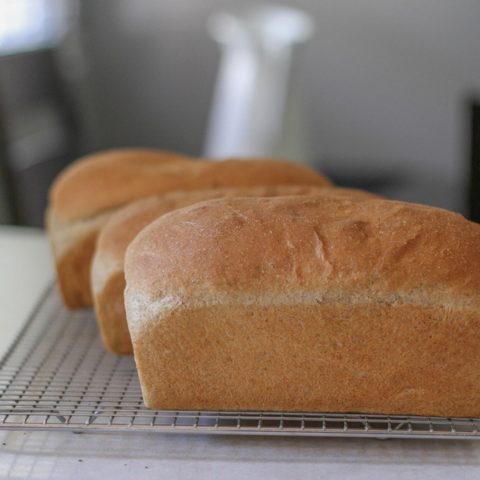
Does homemade bread really save money?
A comparison between homemade bread and super-cheap white bread; which comes out on top?
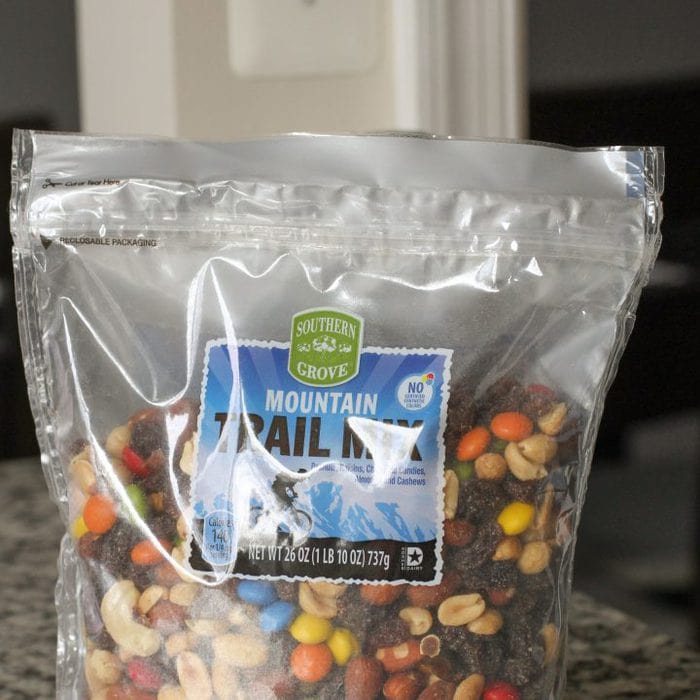
Is it cheaper to make trail mix or to buy it?
I separated a bag of trail mix into its components to find out.
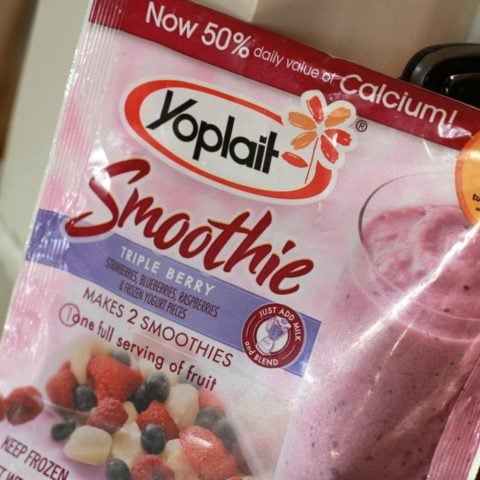
Are smoothies in a bag faster? or better?
I'll tell you now, they aren't as tasty.
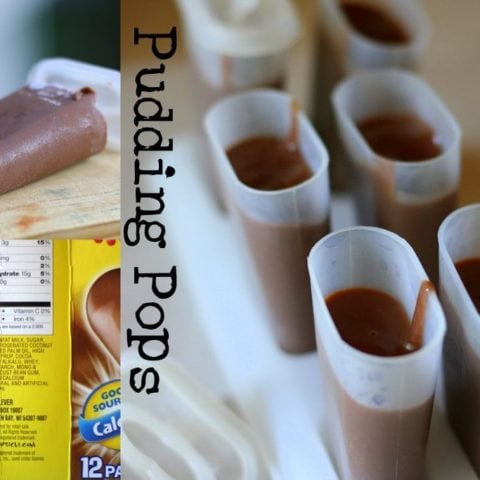
Are homemade pudding pops cheaper?
A nitty-gritty comparison of this popular kid dessert.

I buy the 3 pound bags of chia seeds at Costco. I have a receipt from May 24th showing I paid $6.99/bag. It's not a huge savings over the Aldi price, the bigger savings would be in finding cheaper juice.
It's good to know it is both cheaper, healthier, and more environmentally friendly. We are always trying to lower our environmental footprint.
I do this too kind of comparison, too. That's how I figured the price of my homemade kombucha compared to storebought, and the savings made the 15 minutes of work now and then a no-brainer. Bonus - no trip to the store when I run out -- I just make sure I have the ingredients on hand by including them in my regular shopping.
Tightwad Gazette readers, help me out here. Didn't Amy Dacyczyn find that pretty much the only storebought item that was cheaper than her homemade was Jiffy cornbread mix?
Kristen, do you have any stores that sell bulk chia? That might be cheaper than Aldi's, even, although maybe not.
@JD, that does sound familiar. When Jiffy mix is on sale for something ridiculous like three boxes for a buck, you can't beat the price.
I love it! Thanks for sharing your cost comparison findings.
I do the price-it-out thing with my work lunches. Lean Cuisine hasn't come up with anything to beat my complete meals for 92 cents each yet. 🙂
These are so informative, Kristen—thanks! I’m inspired to do more price-it-outs now and start a price book for comparisons. The one thing I always make at home is salad dressings—all of the kinds. Once you see how much tastier they are homemade, and how many chemicals you don’t eat from store bought dressings, you never look back!
I used to really like a cherry flavored chia kombucha made by GT--they stopped making it. I tried making my own (I made my own cherry Kombucha) but didn't know how to get the chia seeds right as your method shows.
Meanwhile, I found out I'm sensitive to plant phytoestrogens. I was eating a flax seed muffin daily as a breakfast bread substitute and started bleeding--very heavily for 8 weeks. My doctor said it was "just menopause" (after a certain age, everything is chalked up to "just menopause"--rolling eyes emoji here!) but the bleeding was scary heavy, and I became anemic. Dr. Google finally told me the reason was my daily flax, and the bleeding stopped within 48 hours of my last flax muffin. Chia, like flax, is high in phytoestrogens.
While some people think phytoestrogens are a good thing--claiming they fight breast and uterine cancer and help symptoms of menopause, not everyone agrees: https://www.healthtoempower.com/4-dangerous-myths-about-chia-seeds-4-dangerous-myths-about-chia-seeds/
I don't think you have to avoid chia and other plant phytoestrogens entirely, but do consider that maybe daily consumption is not a good idea.
Goodness gracious! Eight weeks of very heavy bleeding sounds awful.
I definitely don't eat chia seeds every day, and I agree with the point in the linked article about how chia seeds are not some kind of health savior. I tend to think the best idea is to eat a wide variety of foods rather than trying to eat crazy amounts of "superfoods". If I get plenty of variety, I figure I should have my bases covered.
Thank you for sharing! Would you maybe consider sushi as your next price comparison? I’ve never made sushi at home but I’m very curious. Just a thought! Love your blog!
I have been meaning to try making sushi at home! I bet it is much cheaper.
@Kristen, If you're making raw-fish sushi, the price isn't nearly as different as you'd think, as sashimi-grade fish can run upwards of $50/pound (depending on season and location)!
I did a price-comparison for myself a few years back when I lived in MN, and decided since sushi wasn't something we eat all that regularly, we'd just pay for the experience. 🙂
That makes sense; I was thinking that making things like a California roll or a cooked shrimp roll or a cucumber roll would be really cheap. But yeah, sushi grade fish is probably pricey!
I really like making chia pudding, too - it's like tapioca, but with a LOT more fiber (much better for my pre-diabetic self), and I can add just the minimal amount of sugar I like (I typically find regular tapioca pudding too sweet).