
Homemade Yogurt Troubleshooting Guide

I regularly get emails from readers who wonder what went wrong when they tried to make yogurt, so I thought it might be helpful to put together a post detailing common mistakes.
Making homemade yogurt is a fairly simple process, but there are some common things that can go wrong. If you've got a failed batch and want to know why, read on!
First, a common question:
What if my milk for yogurt cooled too much?
I've done this before plenty of times! I get busy doing something else and before I know it, my milk has cooled below 120°.
Don't worry, though! If your milk has cooled too much and you haven't added any started, just put it back on the stove and heat it back up to 120°, then proceed with the recipe as usual.
Homemade Yogurt Troubleshooting
If your yogurt turned out runny/watery, here are some things that could have gone wrong:
1. Your thermometer isn't accurate.
If your thermometer isn't giving you correct readings, you can accidentally kill your yogurt cultures. Milk that's too cool will just result in slow-growing yogurt cultures, but if your milk is over 120 ° F when you stir in the starter, you could kill the yogurt bacteria.
Make sure your thermometer is working correctly, and be precise about following the temperature recommendations in the recipe. There are some foods that can be made by feel, but when it comes to yogurt-making, it's better to be exact.
My spoiled self got a Thermapen as a birthday present, so that's what I use. However, a simple digital or non-digital thermometer will also do the trick.
2. You used ultra-pasteurized milk.
Ultra-pasteurized milk, which is often sold in paper cartons, has been heated to very high temperatures in order to ensure a long shelf life. The ultra pasteurization process kills off too many bacteria for the yogurt-making process, though, and your yogurt will likely be very runny if you use this kind of milk.
Organic milk is frequently ultra-pasteurized, and sometimes is sold in plastic jugs, so don't assume you're buying regularly pasteurized milk...read the carton/jug.
Raw milk (if available in your area) also works just fine for yogurt.
3. You used non-dairy milk.
This recipe is formulated to work with cow's milk, and it should also work with goat's milk. Almond milk and soy milk usually require some modifications, though, so find a recipe meant specifically for those milks.
4. You used skim milk.
Milk with a higher fat content makes much thicker, milder yogurt, so I use whole milk in every batch.
If you use skim milk, your yogurt will be thinner and more tangy. To thicken it up a bit, you can stir some powdered milk into the warm milk before you add the starter. Some people also add gelatin (the Kitchn recommends one teaspoon per quart of milk, and they advise letting it dissolve in some milk before adding it to the pot of milk during the heating process.)
5. You used a faulty starter.
I recommend using Dannon or Yoplait plain or vanilla yogurt as your starter. Their yogurt provides consistent, reliable results.
A number of people have reported yogurt failures when using Greek yogurt as a starter, and I personally have had a failed batch from a store-brand starter, so I would shy away from those.
FYI, Greek yogurt starter does NOT make Greek yogurt. Greek yogurt is made by straining the whey out of regular yogurt, and thus has everything to do with method and not with the starter.
6. Your incubating water wasn't deep enough.
A gallon of hot water is perfect for my cooler. The water reaches about ¾ of the way up the jars, which is as it should be. If you have a larger cooler, though, you may need to add more water.
If the jars aren't ¾ submerged in the water, the yogurt will not stay warm enough during the incubating process for the cultures to grow.
What to do with failed yogurt
If you have a batch of runny yogurt, you probably won't be able to save it by trying to remake it into yogurt (I tried that once and it was an unmitigated disaster.)
But don't throw it away!
You can:
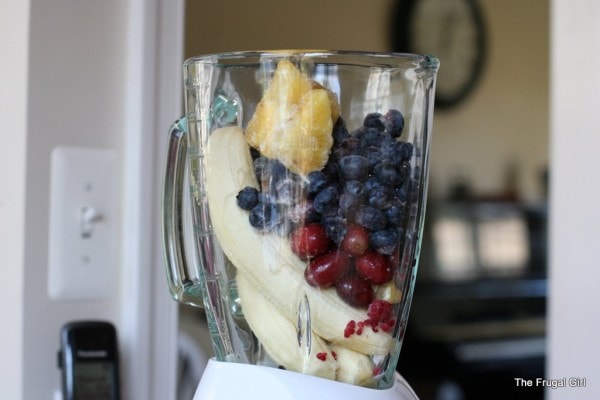
Throw it into a smoothie.
No one will ever know it was runny once it's all blended up with fruit and ice.
Use in place of buttermilk.
Runny yogurt is often the consistency of buttermilk, and since it's at least somewhat cultured, it tends to make a great buttermilk substitute.

So, make some biscuits, pancakes, or waffles.
Strain it.
Greek yogurt is made by straining the whey out of regular yogurt, and you can easily do this with your runny yogurt (although if it's the texture of regular milk, this will not work.)
Simply line a colander with a cloth napkin or thin kitchen towel, place the colander over a bowl, fill it with yogurt, place the whole works in the fridge, and let the whey drain out until the yogurt reaches the desired consistency.




I would disagree that using raw milk to make yogurt is easy. I've failed at it many times - it has the texture of... well, milk. It never sets. From my research I've found that the enzymes that are still intact in raw milk "compete" with the culture. So people either scald their raw milk or use non-homogenized pasteurized (but not ultra, as you mentioned).
My recipe does call for heating the milk to 180° F before cooling it down and adding the cultures, so perhaps that's why it works with raw milk? The times I've had raw milk around, my yogurt has actually turned out thicker and creamier than with any commercial milk I've used.
Heating it to 180 will effectively Pasteurize it. 165F for 15 seconds is more than enough for commercial pasteurization (so called "normal" Pasteurized) although the best method is 145F for half an hour. UHT is cooked at 280 for 2 seconds then rapidly chilled.
The reason Organic milk is given the old UHT treatment is that it needs an insane shelf life. It can also be stored at room temperature on a truck. Mmmm :-/
I think it's a matter of semantics. It works well to start with raw milk, but the heating to 185 denatures the proteins and does essentially pasteurize the milk. It's great yogurt made from what started as raw milk, but it's not raw yogurt.
To have a truly raw yogurt, you need to get a culture that works at cooler temperatures--they are available but you have to buy specific low temperature cultures, you can't use commercial yogurt from the grocery store.
My inlaws have a Jersey cow, and when she is milking, I regularly make my yogurt from the milk following Kristen's recipe. Because Jersey milk has high fat content, the yogurt is WONDERFUL. I use Stonyfield Farms organic vanilla yogurt as my starter. I don't add any other flavor or sugar, but the starter gives the yogurt a nice hint of vanilla. Right now the Jersey is dry and I'm making yogurt from store bought pasteurized milk. It is good....but just not the same. I can't wait till the cow calves next month!
I encourage you to try again with the raw milk being sure to heat it first. I've read someplace in my internet wanderings that heating it a little higher than 180--closer to boiling--will cause your yogurt to thicken even better, but I have good luck with the 180, so that's what I shoot for.
Jerseys and Guernseys are the best cows on Earth. Sadly many kids think cows are those black and white things that give tons of subpar milk and have never tasted the really good stuff.
I love the science lesson going on here! This brings back fond memories of raw milk I used to get from a local farmer - I made cheese and ice cream instead of yogurt, along with drinking it up in cereal and with cookies.
Hi Carrie,
Thanks for the post. I use raw milk to make yogurt and it really turns out great ... rich, creamy and nutritious. I make it in MEC pure clay pots, very simple and easy as the pot does the job, no need for any additional gadgets. I heat the milk to a boiling point, let it cool down, add yogurt culture
and put it in the oven with light and the lid on. The next day my yogurt is ready.
You can get all the instructions on MEC cookware's website.
I had a tough time with the yogurt setting when I used raw milk as well. tried it a few times and almost gave up and my friend recommend the MEC yogurt maker. This is a simple pot with a lid the difference is in the raw material its made of. MEC pots are made of Pure-clay and is unglazed when making yogurt in these pots, they hold heat naturally for a much longer time and this helps greatly with the fermentation process. And yes, with raw milk you have to heat it till you see tiny bubbles on the surface, anything less will not let it set.
I only use raw milk and it always set. I use my regular SS cooking pot and my SS Excalibur dehydrator to incubate it with. I don't know if it is because stainless steel conducts a more even heat or if it is because I put dehydrated fruit at the bottom of my containers (I usually make 8 single serving size so I and g/f can have variety on the go) .....on second thought I have made plain yogurt and it too turned out fine as well. I and my g/f love it because, whether it is plain or with fruit, it comes out like true Greek yogurt which is thick and tart.
Stainless is the poorest condutor of heat of any commom metal pan we have. Silver is best, copper next then aluminm, steel, cast iron and stanless is sast
I use raw milk all the time to make yogurt ... about every other week.
I start right from the fridge .. ie raw milk and yogurt. I place some (several tablespoons) starter (often purchased organic plain whole milk yogurt) yogurt in 7 small jars add the raw whole milk, mix slightly, put on covers, put in my oven already warmed to 110. turn on the light ... upgraded to 100 watt ... I have a remote digital thermometer that is taped tightly to the side of one of the bottles so as to track the temp. ... at the beginning, when I first place them in the oven I will turn it on set to 170 and stay right there watching the thermometer never letting it go over 110.
after a short while it stays in the 103 to 108 range with just the light .. in my oven but, they are all different .. experiment ... and I leave it that way for 10-14 hours till it looks done ... very rarely have I had a batch not work.
My old stove had a gas pilot light ... which kept it warm enough without the light ...
so, I get raw yogurt ... it keeps well in the fridge ... with no problems
Thank you for this encouraging post about 'Troubleshooting'. I am really wanting to start doing this for my family (husband primarily) but it just seems like such a difficult task to take on. However, I put my foot down about spending $4.50 a box for his favorite granola cereal and started making a homemade version and we've been doing that for about 6 months. Still a bit scared and leery of doing it myself. Will check back for other's feedback on the subject.
I would recommend getting an Instant Pot with the yogurt maker! It's super easy and makes great yogurt! I use store bought organic milk, and stonyfield whole milk yogurt as the starter. I use 1/2 gallon at a time, heat up the milk, cool it down to 110, then add 1/2 cup of yogurt and stir! You can experiment with the incubation time based on what type of milk you're using. I find that 4 1/2 to 6 hours inc. time is best so if I start it early enough in the day, it's done by dinner time!
@Danielle, I read from your post you use half cup starter to one half gal. All the recipes I read say 1 T. Mine turns out much runnier and some what slimy. Do I need to just add more starter?
I used to use UHT (ultra heat treated) milk to make yogurt because you don't have to heat it. It worked about half the time, but the rest of the time it was runny, so that might have been the reason why.
Eventually I gave up, but now that I buy organic, non-UHT milk I should try it again. Thanks for the reminder 🙂
I used UHT, and haven't had a problem. I don't bother heating the milk, I just chuck in the Jalna starter (I'm an Aussie), whisk the two together and put them in my $15 Aldi yoghurt maker to sit for 10 hours!
The only time I've had problems is when I used goats milk and it ended up more like buttermilk - and we used it that way!
You inspired me to make yoghurt in the first place 🙂
I have been using your recipe for almost 2 years now. So far I have never had a bad batch. Thanks for the great recipe! My water level has not been as high as you noted in this article. I will fix this and see if that makes any difference in the yogurt. I currently make 10 jars (2-batches) every other week.
Whoa, you are a serious yogurt-maker, girl! You go!
I just want to point out that I am totes jelly of your Thermapen. I just can't seem to get myself to spend the money on one.
I'll have to try gelatin in my yogurt sometime.
My culture came from Stonyfield yogurt, I believe. So I can confirm that that brand works just fine.
I'm anti gelatin-the whole concept freaks me out (I do make jello for everyone though). I add dry milk powder as a thickener.
The longer you keep the milk at 185, the thicker the yogurt will be. I've kept it that high for up to 15 minutes.
I'm weird. I won't eat veal but have no problem with gelatin. I know exactly where it comes from (collagen melted down) and its uses (culinary and otherwise) are just so useful and besides, you're using the whole animal at least.
I think my issue with gelatin is purely a texture thing-if it jiggles on its own, it'll be jiggly in my food-it's werd. i do realize that. but the kids love when i make something with gelatin and I make over dramatic (and apparently histerical) objections. I'm truly all for the whole animal approach. I've never had any good experiences with veal so we don't eat it either
How much powdered milk?
I make yogurt every week. I use 2% milk, and it works fine. I also use a Salton yogurt maker that takes about 8 hours, and uses low heat. I found that during the summer when my kitchen is hot (thanks to west-facing windows), the yogurt overheats and gets too runny. So I started putting the yogurt maker in the basement where it's cooler and I haven't had a failed batch since. I like the Donvier mesh yogurt strainer for making Greek yogurt or yogurt cheese.
I use a coffee filter. It's actually the only thing I use them for. I expect my package of them to last me decades.
To calibrate most thermometers ....put 50% ice 50% cool tapwater. It should temp at 32°F.
We had a rocky start with yogurt making, with several failed batches. Backyard chickens *LOVE* runny yogurt, btw. So do dogs. 😉 I'd encourage anyone having problems to broaden their starter horizons. We had to try several brands before we found one that worked. We also leave our starter out for a bit to warm up (and encourage those cultures) before adding it in.
I make my own yogurt frequently in the summer and get good results using skim milk and my crock pot. (Except for when I over heat my milk past 180 degrees, but that's my fault. And when that happens -- it's tapioca time.)
My question is what do you do with the whey? I use them in waffles and pancakes. Any other suggestions besides those and smoothies and biscuits? Have you ever tried making ricotta? Or do you have any other creative uses for the whey?
I make yogurt in the crockpot too- we go through a gallon every week or so. We use the whey in bread, pancakes, waffles and any baked good possible. You can also use it in soups in place of water. When we can't use it fast enough, I freeze the excess in ice cube trays and pop then in a labeled Ziploc bag to be used as needed. I used to make cheese and had bad luck making ricotta from yogurt whey. What do you do with tapioca and overheated milk?
whey is awesome for your garden
I second that room-temperature starter is better than cold starter.
I let my yogurt incubate in the oven with the light on. Nice and warm, and fewer things to take care of afterward, but takes longer. Also, as long as you don't need the oven right away, the timing is way more flexible. I let it go as long as I can, though usually not more than 24 hours.
To greekify yogurt, you can place yogurt in a coffee filter in a mesh strainer over a bowl. Only drawback is that if you let it strain too long, the coffee filter starts to tear when you clean it out.
I've used numerous brands of yogurt as starter, and my favorite has actually been a store brand (Shur-Fresh). My current starter is Mountain High, but the product turned out a little chunky, which is odd. I'm going to give it another chance, and if it does it again, probably will find something else.
And for that matter, I use clean jars, not sterilized jars, and use the dregs of a quart (as opposed to off the top of a new jar) for the next starter. I have never had any problem.
I have been using the Fage whole milk greek yogurt as a starter, with whole milk, and it's been turning out great. I do notice that the remaining yogurt in the jar after some is eaten will release it's whey very aggressively, and I wonder if that's been bred into strains of yogurt used to make greek yogurt. I incubate it in a cooler per Kristen's recipe, but often leave it for 7 or 8 hours and it comes out nice and thick.
There is an easier way to make yogurt that everyone might be interested in.
1. Put one gallon of milk in the crockpot on low for 2 hours and 45 minutes.
2. Turn off for 3 hours.
3. Whisk in 1 cup of yogurt (bought with lots of cultures - or you can use your homemade yogurt once you start making it. I think it is good to only do this a few times though).
3. Cover the crockpot (still turned off) with a thick bath towel or two. I have done anywhere from 8 to 12 hours. Like overnight, for example.
See, how simple. I absolutely love it. If you want to strain it, you can use coffee filters. You can use the whey in smoothies.
**correction "bought yogurt" with lots of cultures. 🙂
My husband does this, but checks the temps with a thermometer since crockpots vary a lot in temp. It works great!
Old post but I’ve been using the crock pot method too. It’s sooooo easy and so far so good. I do think I’m going to let it sit longer next time.
I started off using whole milk. Then 2% and now settled off at 1%. For 1 gallon I add 2 pkt gelatin plus 1.5cup dry milk. Its oerfect every time!
I prefer vanilla so 2T and a total of 1/2-1cup honey+sugar is a home run winner. I sometimes actually add whatever other milk is around and get 5 qt plus a small jar starter. Still same amounts added in. I barelt have any whey seem out.
Just wanted to say thank you for the yogurt tips. I was intimidated at first. You've been such an encouragement. My kids yogurt and cereal-that can get pricey and difficult to find (especially since I'm picky about what's actually in the yogurt). My 4 year old is my yogurt making buddy. I do add dry milk to thicken it as they all like it very thick and I don't like throwing out the whey.
I just made my very first batch Monday night, and used giant brand greek as the starter - seems to have worked out ok. It's been straining through a tea towel in the fridge since yesterday morning, so now nice and thick. Thanks for all the pointers!
yum! Now I want some delicious yoghurt! I haven´t tried making it yet, because I´m lactose intolerant, and I´m not sure if the lactose free milk can be used to make yoghurt because it goes through different processes than regular.. anyone who knows if it works?
I think you can make yogurt from lactose free milk, because the milk sugars (glucose and galactose) are still there, just in a different form. But I think yogurt bacteria feeds best on the whole lactose molecule.
For the GAPS diet and other auto-immune protocols they ferment the yogurt 24 hours to be certain that all the lactose is used up. You might try that, although it will be a fairly sour yogurt.
BTW, did you know that you can purchase lactase enzyme and make regular milk lactose-free yourself? We do this for our daughter, because it's MUCH cheaper than buying lactose-free milk. That way you can try your yogurt with regular milk, and then apply lactase to make a batch of lactose free milk for yogurt, too.
Yogurt becomes lactose free after 16 hours of incubation. Still tastes great!
I use Fairlife Lactose free fat free milk. I strain to make Greek. It’s delicious. I use yogurt starter that is NOT lactose free so I don’t know if that negates the “lactose free” status. Does anyone know?
I imagine the starter would contribute only a small amount of lactose. Also, I believe I've heard that the fermentation process of yogurt incubation helps with lactose intolerance anyway. So, my amateur opinion is that it would be fine, but of course, I'm not a scientific lactose expert!
The bacteria consume the lactose so there will be less remaining when the yogurt is finished than what you added.
Lactose intolerance is not a problem for yogurt because the bacteria eats the lactose.
Great trouble shooting tips. I make yogurt at least once a week. I have the Euro-Cuisine YM100 Automatic Yogurt Maker because if I make it in quart jars I would sit and eat the whole jar in one sitting LOL I do use reconstitute milk powder for the milk, plus I add 3 TBSP powder extra and it comes out nice and thick.
Thanks for the troubleshooting, this is very helpful. I've recently started making my own yogurt and it has been a bit of a learning process. Have been making my own granola for a while now, but that is the easy part. 🙂 I think investing in a better thermometer will be helpful for me. Good suggestion.
Thanks so much for your tip on using yoplait vanilla as a starter. I wanted to use a plain dannon brand but I wasn't sure which variety you use and my regular supermarket only carries their greek and activa brands. Just checked out my batch and it turned out beautifully. I use skim w/ 1cup powdered milk and 2tsp gelatin for a 1/2 gallon batch. I have a euro cuisine yogurt maker that I got for my b-day and am very happy with it. I love your blog!
Question? I have been making wonderful yogurt, but then I found a recipie that said that if you added a half cup of powered milk to your cold milk it would make thicker yogurt. And it did, I ended up with great looking and tasting yogurt. Before usally strained my yogurt because I liked it thicker, and when I did I got about a pint or more of good pure yellow whey. Also when I would oped my jar of yogurt I would see the yellowish whey on top and I would just mix it in before I took out my serving.
My question is, is my yogurt not as good for me now with no whey in it?
Oh, there's still whey in it! It just probably isn't separating like it used to.
I tried a crockpot yogurt and the resulting texture is ok but it tastes more like milk than tangy yogurt even after culturing for 8+ hrs. I did use Greek yogurt and 2% milk.. My question is should I be more concerned with taste or texture to tell if it is done? I am straining it now to make it thicker. Any thoughts, anyone?!?
Homemade yogurt is usually more mild tasting than store-bought, and you shouldn't be worried about whether it's safe to eat...I think you're good on that count.
Some of my readers have had mixed results using greek yogurt as a starter, so next time, I'd recommend using dannon or yoplait as your starter. I use Yoplait and have never had a fail with it.
Hello, I just made my first batch of yogurt. I cannot wait till I can try it and see how it is. Question though, how long do I need to refrigerate it before I can try it? Also I may have let it cool below 120 before adding the starter and getting it into jars, will that effect it in any way?
Nope, a lower temp is no problem...you get into trouble if you err on the high side, b/c that can kill the yogurt bacteria.
I just refrigerate mine until it's cold, because I don't like warm yogurt!
Thanks Kristen, The yogurt turned out wonderful although it needed a little more sugar or honey for me. Has anyone tried it with different flavored extracts like lemon, banana, or even root beer or peanut butter extract?
Wow, those are adventurous ideas! I've only ever used vanilla, myself.
After my milk has cooled down to 120 and I add my yogurt culture I add a tablespoon of good quality honey. Not to flavor or sweeten it but I'm told that the honey will cause the good bacteria to grow more and faster resulting in a thicker yogurt.
It might be worth a try but could I add the extract after I mix in the starter? That way I might be able to try different flavors with one batch. Oh chocolate mint yogurt! Does it freeze well? like frozen yogurt ice cream sorta.
I might try using the honey idea on my next batch cause I'm going to try it with 2% because it's cheaper.
Yep, you can certainly add it after the starter.
I've never made homemade frozen yogurt, so I'd find a recipe. If you stick it straight into the freezer, it will probably become hard. You probably need to keep it moving as it freezes (like you do with ice cream).
Great I'll have to see what extracts I have and try it next time.
I'll definitely look up the frozen yogurt idea.
What happens if you added the yogurt to the cold milk for the first cooking time? Can I then add it again when the 2 hours and 30minutes are up? Or is it not fixable?
In your process, the milk is heated and cooled down again. Will this heating process not also kill of some of the bacteria needed? Please explain.
You don't add the starter until after the cooling process, so nope, everything should be fine. As I understand it, you heat the milk to kill any bacteria that would compete with the yogurt bacteria.
Just attempted my first batch of home made yogurt using 2% milk and a crockpot. It turned out rather elasticky, almost gelatinous. Wiggles around in the container when shaken and slides off the spoon in long strings. It tastes fine but the texture is off putting. I could use it in my smoothies, but am not sure if it's gone bad. Should I throw it away and start again? Help!
Lisa
Oh, I doubt it's bad...I'd just use it in smoothies. It's not all that abnormal for yogurt to turn out like that sometimes.
Question? Has anybody made yogurt in a machine by just adding cold milk and a yogurt culture? I found a yogurt maker on E-bay that says this works. I have been making my on yogurt for some time now and just love it thanks to you.
I used a machine waaay back in the day, but it required milk heating, and the yogurt it made was pretty sour.
I am on my 4th batch of yogurt. So easy. I have been converting my family to whole natural foods away from processd foods. It's nice to have control over the ingredients.
I was anxious abd nervous so I put too much yogurt starter in my milk. After reading instuctions again I realized my mistake and read on internet that too much cultures will compete for food. Can i still use it? Will it taste bad or shouldI throw it out?
Very Dissapointed:-(
Well, I'd say let it incubate and see how it goes! It might be fine. And if it's a little thin, you can always just make smoothies with it. Don't give up...it should be usable in some way!
I love greek yogurt. I prefer it to regular yogurt yogurt, mostly because of the thickness. I noticed in this posting that you suggested letting the yogurt mixture run through a thin towel overnight. Is that really all there is to it? Also, in the pictures in your post for making homemade yogurt, your yogurt look pretty thick to me...does it have the consistency of greek yogurt?
Yep, that's exactly how you make Greek yogurt...it's just regular yogurt with the whey drained out.
My yogurt is fairly thick, but it doesn't have that sour-cream-ish texture that Greek yogurt does.
Help! While culturing my yogurt, I am getting white "mold" looking on the top, what could be causing this? Is it safe to scrap off and eat the yogurt beneath it?
Is it just bubbly looking white stuff? I usually have that on top of my yogurt if I don't scoop off the bubbles before I incubate it.
That was super information!! Made my first batch out of store bought yogurt came out great. Made second batch out of yogurt starter, came out like runny cottage cheese. Was going to add started culture, but you changed my mind. You just saved me allot of grief and frustration. Also I used organic whole milk that is ultra pasteurized.
Thank You
Dan
I have 3 small jars of yogurt that have developed a pink film on top.
Any ideas on what causes this? How to prevent it?
Is it safe to eat?
My guess is that this is mold (depending on how old the yogurt is). Have you had it in the fridge for a number of weeks? The only time it's happened to me is when the yogurt has been in the fridge for over four weeks.
I use a yogurt maker two questions:
1. If I let it cook longer at 180 will it be thicker?
2. Can I make the yogurt with thawed, sweetened frozen fruit? I tried and it was watery but the yogurt maker says you can add the fruit then incubate.
Thanks great site!😋
I don't think heating it longer will make it noticeably thicker (the only reason it would thicken the yogurt a bit is that some of the liquid would evaporate from the milk during the longer cooking process). The best way to make yogurt thicker is to use whole milk.
I have never had anything but watery experiences when adding fruit to yogurt before incubation. Our favorite thing to do is to stir in some jam or fresh fruit right when we dish up the yogurt. That way there are no watery problems.
I've been making yogurt for about 2 years now, with most batches being successful. The batches that I consider "unsuccessful" are simply more runny than I like but they are still very edible. My last batch was a strange one. I use a yogurt maker with a 2 quart container. When the batch was finished and cooled overnight in the fridge, I spooned it into glass jars as I normally do. This time, though, at the very bottom of the 2 quart container was a layer of black-colored yogurt. Any idea what this black substance is? I've looked all over the internet and can't find anyone who has had a similar experience. The top 1-1/2 quarts looked and smelled normal.
Boy, I've got no ideas there! I've never had black yogurt, but I would be a little nervous about eating it.
I gave a first try to making yogurt yesterday but sadly it turned out runny after incubating for 10 hours, just as milk... I probably added the culture while the milk was too hot.
I am wondering if I can add a bit of culture bacteria again and put it to incubate few more hours?
The one time I had a yogurt fail, I tried remaking it, and the results were very, um, not good. It turned into a curds and whey mess that was inedible.
I'd use this batch in smoothies and try again with fresh milk.
I mistaking lay added the culture while milk was 180. I then cooled it to 115. It's now incubating. If it fails, would it still be ok to use in smoothies?
Yep-failed yogurt is perfect in smoothies! 125 and over kills yogurt cultures, so yours probably are dead. But yeah, your milk will be fine in smoothies.
Has anyone had success using reconstituted powdered soy milk such as Better than milk soy powder?
And what kind of starter can I use with soy milk to keep it dairy free? My grandson is severely allergic to anything dairy?
I had good results with 1 quart of Silk original soy milk and acidophilus capsules, but when I try to double the recipe.... it looks like granules of cottage cheese. WHY?
Hi!
I made a 1/2 gallon of yogurt last week with Chobani Greek yogurt, not realizing I wasn't supposed to, and it turned out GREAT!! It's not as firm what you have here, but the consistency of Dannon.
I used the Chobani 'plain' and stirred 6oz into the milk after it reached 118 degrees. I poured half the mixture in individual containers, placing it into a yogurt machine/warmer. then poured the other half in a single yogurt container, turned them on and 7 - 1/2 hours later, it was perfect! Had a nice, slightly sweet taste to it, just enough for cooking as well as baking, or making cookies.
Trying to find out if maybe the cultures in Chobani are different in amount, which made this happy accident?
I forgot to boil the milk. I made 2 batches, one with Yoplait and the other with Kombucha as starter. I let it sit 24 hours and they came out fine. The Kombucha culture was a bit runny.
I was wondering if any of you have had experience with making yogurt from fresh, raw goats milk (though I suppose it's not exactly raw after heating to 180°) and finding the flavor to be extremely *creamy* but not at all *tangy* as you would expect yogurt to be? I have also had this issue with my chevre- very creamy and lovely, but none of that tang you'd expect from chevre. I used a bulgarian yogurt as my starter, and I know that it did not incubate 100% correctly (I think I did not have enough water in my cooler), but was so surprised at the mild creaminess. It was also the consistency of half and half.
I usually find that my homemade yogurt is overall not as tangy as commercial yogurt, no matter what type of milk I use. I don't especially love tangy yogurt, so for me, this is an advantage.
If you want your yogurt to be tangier, you can incubate it longer, like overnight.
I hated yogurt but bought it for my son while he grew up, since it was supposed to be the brain food of the future. He loves the stuff. So lo and behold I'm trying to get in healthy mode, went out and bought all these supplements and don't really know if they work but I haven't needed a DR for 4 years so I must be doing something right. So in my healthy mode I see all these ads for Activia by that jamie girl on tv and of course I have to try it ...I must have a rumble somewhere. I loved the stuff especially the blueberry and strawberry. Now I'm hooked, but it's expensive so I figure in my infinite wisdom I can do better. So I go out buy the eurocuisine yogurt maker 2qt size, read every blog I can find and get ready for the big day. My first mistake was starting in the evening, got the right temp added honey and vanilla and set it to cook. Most people say it needs to cook 10 hrs but I fell asleep and it went 13 hrs. That stuff was so tart it could easily pass for double plus sour cream. So I am on my second try after reading this blog. I wash my equip and really no need to sterilize....followed all the instuctions here. Heated to 190 degrees approx let cool and added 1/4 c powdered mild and 1/2 c sugar and 1 tsp vanilla. Put it all in the yogurt maker and have been tiptoeing around since they say you aren't supposed to move or shake it....WHY not. By the way honey is too expensive for this use sugar unless you're rich. It was too much for me so after 3 hours I had to taste, I carefully took off the top and gingerly got a spoonfull. It's thick and oh my heavens it's close and it's good. I can really eat this stuff. So now I'm thinking mix it with blueberry pie filling and then I hit Walmart and found this blackberry fruit by Polander, never tried the stuff before but it's good, really good....I had to taste. Okay so now I'm 30 minutes away from my masterpiece. All I have to do is put it in the strainer I had to buy because you just have to have this for greek yogurt. Yeah right I'm learning. Gee I may run out of space before it gets done. 6 hours seems to be the right amt of time for me. To be continued....byt the way it only took me 65 years to get here.
I made a batch of yougurt the other day that set up beautifully, looks great, but tastes and smells very odd. I noticed just this morning that I purchased lactose-free milk by mistake. Anyone know if I can still use this yogurt? Also, I wanted to share a little UHT pasteurized organic milk story. One summer about 2 years ago, a sealed carton of the stuff was mistakenly left on the floor of our car while we were camping at a festival. When I opened the carton to pour our the spoiled milk so I could recycle it, what should come out but beautiful, perfect yogurt! I smelled and then tasted the tiniest bit and it was indeed lactobacillus cultured yogurt. I tossed it anyway, but I guess UHT pasteurization doesn't kill everything!
Hmm, I'm not sure! I've never made yogurt with lactose-free milk, but it seems odd that that would make the yogurt smell and taste weird.
I'm sorry I'm not more help!
Hi,
I'm on my 3rd batch of yogurt and each time there is a gritty texture on the very bottom of the cups. (I'm using the Salton Yogurt Maker, 1 qt Organic whole milk, heaping teaspoon of Stonyfield Plain as my starter and 1/3 cup of Carnation powdered milk, 12 hours)
First time was good, although it left a 'tail' from spoon to cup. I also took a real long time heating up the milk, only set at medium on my stove.
Second time, I totally forgot to keep some starter but had Banana flavored Oikos! It was, to date, my favorite in flavor and texture. I brought the milk to boil a little quicker at between med and high and think it helped.
This last time I left it for about 14 hours and it doesn't have the nice taste of the first batch. Almost tastes like scalded milk--not awful, but...
Wondering about that gritty bit at the end?
Thanks
Hmm...I wonder if perhaps the powdered milk isn't getting completely dissolved? I've never had a gritty issue in my yogurt, but I've never used powdered milk either.
I don't use a yogurt maker to make my yogurt, so I'm not sure about incubating times. In the cooler of 120 degree water, though, my yogurt only needs to incubate for about 3.5 hours. I know longer incubation times generally produce a yogurt that is more sour, so perhaps that's why your last batch tastes odd.
I hope that's helpful!
Thanks Kristen,
I think you are right about the powdered milk, and it just settles.... I appreciate your thoughts. Have a great Holiday!
I have been making yogurt twice a week for about five years now and have only had one failure. I always drain away much of the whey in order to make it thick and luscious. However, twice now, my yogurt ended up being super-fermented, full of bubbles and tingly on the tongue. It reminds me of the feel of fermented vegetables on the tongue. It literally is growing in its container. Now, I know this is safe to eat, since I have eaten it and I also feed it as a supplement to my Golden Retrievers, along with the whey it produces. They love it and it gives them probiotics they otherwise wouldn't get. Has anyone experienced this result or does anyone know what's causing this? Thanks.
Hmm, I'm not sure why this is happening. Are you incubating it any longer than usual? Did you move to a warmer climate?
You could try getting a fresh starter to see if that fixes the problem. Or maybe try a shorter incubation period?
The first time it happened, I had been using the remainder of the previous batch of yogurt as a starter, and had done so about five or six times, so I put it down to that and started with a fresh starter after that. This time, I used the remainder of the previous batch, but that previous batch had been made with fresh commercial starter. It's almost as though the probiotics have multiplied and taken over. When I remove some of the yogurt from the container, what's left continues to expand, gets lighter in weight and airy. Nothing about the incubation period of the climate has changed.
Hi,
Can you please list the name and brand of the commercial culture you used. I have been looking for this for a while now. Actually, that is a great drink when it gets frothy like that, I remember drinking it for many years in Europe. It is very tangy and very nice when you add a bit of salt before you drink it. I would like to make it but failed using store bought yogurt culture. Thanks
I think you are looking for Kefir grains! I started making my own kefir after a horrible gut infection from antibiotics. I don't love the taste haha but make it for health. I got my grains from a friend but you can find them from Cultures For Health. Good luck!
OK I just "started" at my very first ever attempt at making yogurt (I'm using a Cuisinart Yogurt Machine w/ Auto Cooling). I followed the instructions from their booklet for Plain Yogurt Variation #1, which involves whisking together 4 cups whole milk, 1/2 cup dry milk powder, and 1 packet of yogurt culture.
I used Raw Organic Whole Milk ...I did NOT pre-heat it, just added the packet of freeze dried starter and whisked in 1/2 c. powdered dried goats milk. Are you telling me I just wasted these expensive ingredients because I should have heated the raw whole milk to 160-180 degrees? Geez, there sure does seem to be a number of variables that may result in failed yogurt. I have it "fermenting" for 6 hours per set time..is there any way to save it at this point? Also how do you maintain 160-180 degrees for 20 minutes? All this seems so complicated!
Yogurt does seem complicated at first! I remember feeling that way too.
If you followed the instructions that came with your yogurt maker, you should be fine. The instructions I posted are for making yogurt without a machine. If you're using a machine, then following the instructions that came with it is the best bet!
Ideas for when it doesn't set at all? (Thinking it was either because the milk was overheated or expired powdered starter). Is keifer starter the same as you'd use for yogurt? It worked before, but that was years ago.
I think Kefir starter is different than yogurt starter. I mean, they are both for fermented dairy products, but they're not precisely the same.
If it hasn't set at all, I'd just use it to make smoothies. I had a failed batch one time and tried to remake it and it turned into a terrible curds and whey mess!
If it makes any easier, I want to add my 2 cents to this. You don't even need a cooler with warm water to make yogurt. in Summer, I put mine in oven, close the door and check after 4-5 hours. It will be done. However, in Winter, I turn on the oven light for an hour and then off the light. Check back in 4-5 hours. Rest of the process is the same. My mom used to make yogurt everyday while I was growing up. Now with the fast pace of life, I make once a week with a gallon of milk .Still amazing compared to Store bought one.
I love reading your blog every day!
I had gotten my yogurt making down to a science until tonight when I fell asleep and forgot it out cooling... Normally I cool it about 2 or 3 hours to 100 before I put culture in and put it in yogurt maker- it sat out 5 hours and went to 75 before I remembered it... I put the culture in and turned on the yogurt maker which should bring the temp to 100... You think it will still set? Will it be safe to eat? Should I leave it in the yogurt maker longer (normally do 8 hours)? Advice very much appreciated!
I'm thinking it'll probably still be fine, and I don't think you need to incubate it longer than normal. I'd make it like usual, and then just do a sniff test before you eat it. If the milk has gone bad, you'll definitely smell it...sour milk makes itself known!
I appreciate the response & great blog/articles! It smelled just as it normally does and set perfectly fine... Thank goodness it's such a forgiving process!
Phew! I'm glad your yogurt seems to be fine.
I ate the White Mountain Bulgarian Yogurt for over 15 years, it WAS the BEST yogurt in the world. From Smell, Taste, Texture and most importantly Results until they changed the packaging in May 2016, they unfortunately changed the product. They denied it like companies usually do but it is so obvious. It taste like the most sour FAKE taste that stays in your mouth long after you eat it and it started to burn my stomach for 24 hrs. until it worked it's way out. It used to help quickly with constipation but after it changed it caused constipation. I started feeling very bad, it did not have that really clean product feel right after I ate it like it used to, I felt like I had been poisoned literally. The company claims it is still the same recipe but I believe the raw materials changed, including probiotics which changed the product, there is no other explanation. They can deny it all they want I know what they did and others are already commenting the same. They did not care when I contacted them and I was treated badly well maybe everyone at White Mountain will care a little more when their sales for this product drop, they started out being a small humble family company but not anymore. I will no longer be buying this product, that was about $2,500.00 per year. Still trying to find a new runnier type of probiotic nonfat plain yogurt with same probiotics, if anyone knows of one please tell me, so tired of seeling the stupid Greek Yogurt which should really be called Greek Cheese. All yogurt companies may start out small and great but eventually either sell out or commercialize which is what they did then the product changes and the quality is gone, it was a healing game but not it's a money game. So disappointed when will this nonsense all stop the customers know (just raise the darn price if necessary)........
Hi. I wonder if anyone experienced this bizarre thing. I've been making yogurt for year, learned it from my Greek mom. The only milk I use is organic valley 1/2 gal whole + 1/3 gal of 1%. I boil for 30 mins, scoop out the forming skin (is that what you call whey?), cool to 200F, scoop in warmed or room temp culture from my previous batch, pour into glass jars then wrap in 2 wool throws. I've incubated anywhere between 4-12hours. Average is 8. Today's batch was really bizarre. The milk turned pink during the boil. I've spent hours looking online for info and even asked a farmer. No real clear answer. But I suspect either blood in the milk (though it was not like that when cold) or some bizarre chemical reaction because I mistakenly bought lactose-free milk. Thoughts? I haven't checked it yet, it's currently still incubating.
Wow, that IS really odd. I've never experienced that, but hopefully someone else will have ideas for you.
The strangeness of this yogurt was even too much for me. In the end it had almost the same consistency, a bit runnier than usual. The color after incubation and overnight in the fridge was a definite beige-pink. Like it had a bit of strawberries and maple syrup in it. I decided to try it. I don't know if it was the off-putting texture (more stringy than I've ever had) and color that made it also seem like the taste was off - but I just couldn't eat it. Three large jars down the sink. Made a perfect new batch today.
I don't blame you one bit! I'd have been squicked out too. So glad your new batch turned out well!
When using lactose-free milk, my yogurt also turns out pinkish. The milk did boil, perhaps that's too much heat for this type of milk. Haven't found any explanations on various websites, so will continue experimenting!
I am trying to find out why my homemade yogurt is always more sour than store bought. I read all your tips but I have done everything recommended and did not incubate it longer than recommended. I would like to continue making my own, but I do not like the sour taste. Thanks for an answer. Lori
Hmm, I'm stumped! Mine is always a lot milder than store-bought.
What are you using as a starter? I wonder if that has anything to do with it.
I know you don't use powdered milk in your yogurt so I'd like to ask your readers who do. Do you use instant milk or regular powdered milk? Thanks, Lynn
I cook my yogurt for 24 hours in order to rid of lactose. I forgot to reset the timer overnight and the yogurt maker was not on for 5-6 hours. do you think I should toss it and start all over again?
I'm not sure as far as the lactose goes. I'm sure your yogurt is still safe to eat, though!
Can prefrozen yogurt be used? I like Siggi''s Swedish style film joke made with organic grass fed cow''s miklk.
Hmm, I'm not familiar with that product, so I'm not sure about using it as a starter.
I have been making 24hr yogurt for the past year using the following recipe:
• 2 cups pasteurized whole milk
• 2 cups 1/2 & 1/2
• 2-4 tbs powdered milk (to thicken)
• 1 sachet Yogourmet yogurt starter
• 20 drops liquid pure stevia
I do not preheat the milk because I find that after cooking for 24 hours the yogurt is lumpy and grainy, where the unheated milk has a much smoother texture. I simply mix all of the ingredients in the yogurt insert in my Cuisinart yogurt-maker and set the time for 24 hours.
However, my problem lately is that the batches are often coming out with a thin layer of very pale pink/orange toward the bottom of the yogurt container. The discoloration is chunkier than the rest of the smooth yogurt.
From what I've gleaned, pink is often an indication of mold. Is my yogurt feeding the wrong type of bacteria because I'm not pre-heating the milk or is this just a harmless discoloration as a result of culturing for 24 hours? I've thrown the yogurt out whenever I've seen this to avoid poisoning my household.
Thanks!
Boy, I'm not sure! I've always made my yogurt with the heated milk, so I don't have any experience with room temperature milk. I'm also not familiar with the Cuisinart yogurt maker. I wonder if you could contact Cuisinart and ask them?
I've never had a problem with my yogurt being lumpy, even though I heat the milk every time. But there could be a difference in how the Cuisinart maker operates and how my method works.
I have a cuisinart and I have the same problem, the yogurt is thicker and quite lumpy and for the first time has a layer of pink/orange on it. Tastes good still, but I think it may be mold spores. I think the inside should be cleaned with antibacterial cleaner because of all the moisture it produces. However, I wouldn't mind a professionals opinion on this.
new at the yogurt making a few fails but mostly good. So I am wondering how to add fruit or flavoring during the making or do I have to wait till its chilled ready to eat. Most of my pureed fruit tries have failed but my deep bittersweet chocolate one is to die for. Any help would be awesome. SUNSHINE AND SMILES
I usually just add fruit right as I'm about to eat the yogurt. Otherwise, the fruit makes the yogurt too runny/soft.
Just found your wonderful website! Here is a good use of whey - and the more you have, the better. You can use it to soak oats overnight. The soaking renders the nutrients in the oats more "bioavailable" and it also cuts down the cooking time the next morning. Use enough whey to cover the oats, and reduce the amount of liquid you use to cook the oats by about the same amount.
Do you soak these in the fridge? Or at room temperature?
Hello Kristen, could you please advise me on this problem. I make my own soymilk by boiling soybeans and grinding them in a wet grinder for ~3 hours. It turns into a paste, which I later dilute with water to make a yogurt-like consistency. Then I add yogurt culture and keep it overnight in Instant Pot. I place my yogurt into the fridge after keeping it on the counter for ~1 hour to cool down. My last batch of fresh yogurt developed a pinkish color on the top after just 12 hours in the fridge. I wonder if this is mold or natural discoloration, for example, due to oxygenation. It tasted alright when I tried it, but I want to make sure it is safe to consume. Do you have any idea?
Boy, I'm not sure! I've never worked with soy milk before.
Hi there..please help...trying to make almond yoghurt ..had many batches and never had mold..but today I looked in the jar and there was a thick layer of White s was my last jar.... So it was two weeks old...but usually I can make lasts for four weeks unopened... Do you think I didn't pasteurise enough? Usually do till reaches 40 c X please help.
Oh man, I'm not sure! I've never made almond milk yogurt before, only dairy yogurt.
I made my first attempt at homemade yogurt last night. I thought I had understood the steps (after reading many different recipes), but I still missed something! I heated 1/2 gallon of whole milk to 200, cooled it to 112, then added 1/2 cup of yogurt. I placed it in a cooler, wrapped it in two towels and set it aside for the night. (No hot water in the cooler, which I realize now is what I should have done.) I woke this morning, and uncharacteristically slept very late, so the yogurt had been incubating for at least 9 hours, possibly 10 (I forgot to check the time!). The yogurt looked like it set, but the temperature was now at 83. I put it in the refrigerator. I just looked at it (10 hours later) and it seems to be a good consistency, with some whey on top. Maybe not as thick as store bought, but very close. My question is whether I need to be concerned that I didn’t maintain the 112 temp all night. I assume it did long enough to firm up, bu then it dropped. Any idea if it is safe? It smells good, I tasted a little and it tastes good.. not exactly like the starter I used, but still good. (I assume though that heating to 200 may have been too high as there was burnt milk on the bottom of the pot). Thanks for any insight you have!
It should be safe to eat. A lower incubation temperature isn't going to make your yogurt go bad...it's just that at a lower temp, it can take longer for the yogurt cultures to grow. If it were me, I'd happily eat that yogurt!
Thank you!
I made yogurt for the first time in my instant pot. I used whole milk and a powered culture. I heated my milk in the instant pot to 180 then let it cool to 110 and added my starter. I put it back in the instant pot and pressed the yogurt button and set it for 9 hrs. When it was done it was lumpy and runny. I drained it
for 6 hours and it did thicken up a little but the whey looks like milk. I thought it was suppose to be a clear or yellow color. Is the yogurt ok to eat?
I'm fairly sure it would be fine to eat, since the temperatures were safe. If it tastes fine, I would feel all right about eating it, but of course, that's completely your decision.
How clear the whey is depends on how fine your strainer is. I use several large paper coffee filters in a collander over a large bowl, overlapping them as little as possibe. The milkiness just means you let some of the curds through, either through the filter or around it.
I've made it several times in my instant pot using a single serving of chobani as my starter and it tastes just like it.
Just to clarify a point in the article: ultra pasturized milk may not work well because too many compounds are broken down too much for the culture. The milk has been cooked. It is not because too much bacteria have been killed. All the bacteria in the milk should be killed first by heating to 180 F.
Hi great troubleshooting article and loved all the comments (learned a lot)! I make yogurt in a crock pot using store-bought milk and a powdered culture. I make it twice a month or so and it usually turns out great! I heat it slowly to between 110 and 180 and then cool it to 110 when I add the culture powder. Recently I made a batch which cooled below the 110-degree mark and I waited and waited for it to thicken... took much longer.
Hello! I make bulgarian yogurt every week. Whenever I make it with regular pasteurized milk, it turns out runny... every single time. I used lactose free, filtered milk once, by mistake, and turned out like greek yogurt, in 4 hours! I just don’t get why the culture doesn’t work with regular milk. And I follow the same steps every time. I have used the same seed for several months
Hmm. Are you using ultra-pasteurized milk? I know that tends to not work as well as regular milk.
I use ultra filtered whole milk, lactose free. I do not even heat the milk. Mix cold milk with yogurt starter 2 tablespoons of yogurt and in Instant Pot yogurt setting I have very thick yogurt in 8 hours. But recently I noticed a new pot of yogurt left in frig for more than a week had developed some pink layer on top . I think I have to throw this one out. So use the home made yogurt like this within two to three days.
Yep, mine does that when I store it too long, but usually it takes about a month to happen. As long as I sterilize the lids and jars in the dishwasher, that is. If I just hand wash them, the yogurt grows mold/pink stuff (!) much faster.
Hi there,
I make yogurt every month or so in an Instant Pot, always using a small container of local, organic, plain cow's milk yogurt as the starter. I use the standard Instant Pot yogurt setting and typically ferment about 12 hours. This time I wanted to have a tangier, more acidic final product, so I followed the same steps, but increased the fermenting time to about 20 hours. The result was a lovely texture, but no acidity or tanginess whatsoever. It doesn't even smell like yogurt at all! Any ideas on what could have happened? The texture is just perfect.
Thank you!!
Hmm, that is interesting. I've always heard that a longer fermenting time increases the acidity and tanginess, so I'm surprised at your results!
I am experiencing my first installs yogurt fail. I have made it twice before with great results, so I am a newbie at this “fail” stuff! I used some of my yogurt from last time as a start and I am afraid that it died, because it tastes like milk...there is nothing yogurty-ish about it. Can I put the milk in the fridge and try again in a few days (It is Easter tomorrow and I have no intention of going to the store to get more yogurt for a start.)
I had this happen one time, and when I tried to remake the failed yogurt into a new batch, it was a pretty terrible, separated disaster. I ended up dumping it all down the sink.
I have only had that experience once in over a decade of yogurt making, though, and I think it was because I had a bad starter.
i'm in the midst of making yogurt and realised i put the lid on before i was supposed to. i am still new to this instant pot cooking and didn't realise i could cook the yogurt with the lid off. i haven't opened it yet but will it ruin the incubation period?
I don't have an Instant Pot, so I'm not sure what the answer is to this question!
Good to know about having the milk at 120 degrees before adding the starter. I have been using 110 degrees but find the results are sticky, not creamy like store-bought. I always add powdered milk to milk so that the thickness is more like Greek Yogurt without me having to strain it. I only use a heated large thermos (1 litre) (heat with boiled water, empty and then add the yogurt mixture and let sit at least 6 hours or till I remember to check it). Very simple. Lately I have been using 2% with added whole milk powder...works nicer than 1% with SMP.
So I tried to make yogurt in an instant pot for the first time, using coconut cream. It turned out runny, apparently I shouldn't of added real vanilla at the beginning, plus I added more active yogurt than I should have. It is runny and sweet. Do you think I should try remaking it? I realize you said remaking yogurt didn't work for you.
So, I have no experience yet with making coconut yogurt. I did an Ask the Readers post about this topic, though, and maybe some of the answers there would help? https://www.thefrugalgirl.com/ask-the-readers-non-dairy-homemade-yogurt/
I mistakenly put the milk and starter mixed for the incubation period in the fridge instead of the yogurt maker. It was in the fridge for two hours before I realized it.
The liquid is now in the yogurt maker. Any hope?
Hmm. If it's cold, the yogurt starter is going to grow REALLY slowly. You could try letting it incubate an extra long time and see what happens.
You won't have killed the starter; it's just that some warmth is optimal for growth.
I made a batch of runny/watery yogurt because I accidentally let the milk get too cool and then added starter. Can I use some of this runny/watery batch as starter for my next batch?
You could, but I am not positive how much of the culture it would have. It might be a safer bet to get a cup of commercial yogurt to use as a new starter.
What is homemade yogurt supposed to taste like? My daughter has been bringing some over with blueberries in it, no sugar. It is a little efferesent, sharp, and not a pleasant taste. The product expands and erupts out when jar is opened. I wonder if it is OK or spoiled. How long does homemade yogurt keep in the fridge?
Hmm, the homemade yogurt I make has a really mild taste; more mild than what you'd buy at the store. And it definitely doesn't erupt out of the jar. Something seems a little odd about that.
This is definitely not milder than the store. I like store bought yogurt, this seems like it is raising in the jar and is all foamy. It will stir down, but tastes weird. Is homemade yogurt smooth in the jar?
Hi , we've been making yogurt with a six jar yogurt maker from Lakeland shop. We have always used UHT milk with a sprinkle of dried milk.
Over the last couple of weeks we notice after a day or so of the freshly made yogurt being in the fridge , there seems to be a pink bacteria growing on the surface . Why, if we have been using this recipe for years, isthis happening now .....any ideas please?
That's so weird! I've only had that happen with yogurt that has been stored too long. Or it also can happen if I don't sterilize the jars properly.
I am making yogurt for the first time and after boiling the milk and adding some yogurt to 'start;' it, I used the yogurt setting for the time desired. It was on the lowest setting and I left it, but it seems like the batch was room temp at the end of the cycle. Is it not supposed to be warm at all in the last step in the instant pot> Us there a step in setting the time that I needed to do to bring the temperature up a bit??
I have no experience with an Instant Pot; hopefully someone else will come along who can help!
Hey Audrey, I make yogurt in the instapot on a weekly basis, and I had a couple of questions for you. When you say that you put it on the lowest setting, what do you mean? When you press the yogurt feature there should be 3 options, boil, 8hrs, or 12 hrs. If you use the 8hr method, it should keep the yogurt warm the entire time. It is cool enough to touch, but shouldn’t be quite room temperature. I’ve never used it, but as far as I know, the longer setting (24 hr one) is a cold method that takes longer, but your yogurt won’t be quite as warm. Hope that helps!
I made batches of whole milk yogurt and soy milk yogurts in Instant pot with no problems. Lately I had encountered some gel or slimy issues only after refrigeration.
After the regular process of making yogurt and incubation, I tested the yogurt and it was like custard form. That was my desire outcome. However, after putting into refrigerator, it turned to gel like or slimy consistency. I read many articles, for soy milk yogurt maker said I boiled at too high temp and milk yogurt maker said too low temp....
Sorry I dont have a thermometer, I just heat the liquid to a almost boiling condition.
Do you have any idea why that happen?
Hmm, that is not a problem I've had before.
Have you switched up the type of milk at all?
Have you tried using a new starter?
Hi there I made this recipe several times and it comes out perfect but it’s not very tangy is there a way to make it more flavorful tangy?
If you'd like it to be tangier, increase the incubation time. The more hours the yogurt incubates, the tangier it should be.
Hello! I'm hoping you can help me.. I heated my whole milk, allowed it to cool and added my starter (store-bought plain whole milk yogurt). After mixing the portion containing the starter back into the rest of the milk, I transferred it into 7 glass jars and put them into my yogurt maker. Fast forward 8 hours, they didn't set. Realized I only plugged in the yogurt maker, but didn't turn it on! Turned it on, allowed them to incubate for 9 hours and took them off. After cooling in the fridge all day, they smelled good, looked good and tasted normal. Are they okay to eat? I'm concerned the 8 hours with starter at room temperature will have made them bad.
As long as the starter was active, the bacteria should have kept the milk/yogurt safe to eat. I know some people incubate their yogurt at room temperature for at least that long and it's still good to eat.
Usually dairy that has gone sour will taste and smell funky, so the fact that it tastes and smells good is a good sign.
So. I'm not a doctor or a scientist and I can't give you professional advice on how to handle this, but I personally would not be nervous about eating the yogurt.
I used whey (from a previous batch of yoghurt) but after 12 hours incubating it is still running and lumpy. All other batches have been successful using my previous yoghurt as a starter. Is the problem the whey? I used double the amount of whey to the amount of yoghurt used before.
Hmmm, I have never tried using whey as a starter, but I did a little reading on the internet and it sounds like you did it the right way.
I will say that occasionally I have had a batch of failed yogurt and I don't know why. I think that's the nature of working with living cultures.
You could use the failed batch for smoothies or baking, but I would probably just give up on incubating it at this point!
I took 6 quarts of yogurt out of my sous vide after 36 hours. 4 jars had small brown dots I skimmed them off Is the yogurt ok?
Hmm...could it possibly be vanilla that didn't get mixed in all the way?
We're following the SCD yogurt instructions that came with our Luvele yogurt maker. Heat 1/2 gallon whole milk to 185, let cool to 104 degrees, put in 1/3 cup of yogurt (we're using Trimona Bulgarian A2), put it the Luvele unit for 24 hours at 100 degrees, move to refrigerator for 6-8 hours and then stir and it's ready. Everyone loves the result - it's thick enough I usually don't bother straining it.
Failed yogurt.
I’m using expensive yogurt stater and whole milk powder. I’ve purchased an expensive yogurt machine with constant temperature control and timer. I’m following the usual preparation method. The results have twice been the same, the yogurt jar ends up having the bottom 2/3 of a yellowish liquid and the top 1/3 à granuler thick curd like material. Inedible ! What’s the problem?
Hello there! So, I have personally never used powdered milk to make yogurt, but I have read online of other people doing that with success. Still...I would be tempted to try your method with regular milk just to see what happens.
It is odd that you've been having such trouble with a yogurt machine. You'd think that would take all the guesswork out!
My daughter forgot to put the starter in and incubated it. What can she do?
My guess is that you could just heat the milk to 120 degrees again, add the starter, and then proceed.
I’ve tried twice to make yogurt in my instant pot with ultra pasteurized half and half, L Reuteri tablets, and Inulin. Both times I made ricotta curds. I mixed the starter with the Inulin and a little half and half and stirred it into the instant pot with the rest of the milk. I let it go for 36 hours and what I found both times I tried it was curds floating on a lot of whey. Any idea where I failing?
I have never done yogurt with an Instant pot or with half and half.
However, I'm guessing the problem is with your ultra-pasteurized product. I have noticed that ultra-pasteurized milk does not work as well for yogurt; I'd try some regular milk and see how it goes. Try some whole milk in a regular gallon!