
What to do with expired medications
At some point in your life, you've probably found some expired medications in your cabinet. Or you may have stopped taking a prescription, but you've got leftover medication, and you're not sure what to safely do with it.
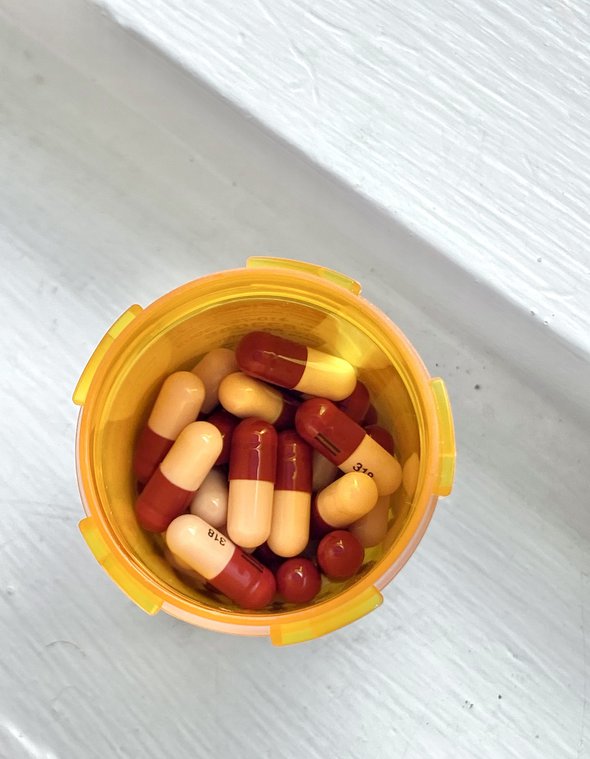
Soo, I'm here to help (with some evidence-based suggestions, OF COURSE.)
Do medications actually expire?
Based on my reading, it appears that manufacturer expiration dates are sometimes a little...sketchy.
Nothing magically happens to the medication the day after the expiration date, of course; that date is just when the manufacturer is willing to guarantee the medication's effectiveness.
It is in the manufacturer's best interest to err on the side of caution when it comes to expiration dates because then they are protected from litigation. Also, early expiration dates encourage consumers to buy more product.
There's another reason too: it's expensive to do further testing to figure out if expiration dates can be extended, and companies are loathe to spend money to do something that will cost them in multiple ways.
American has a Shelf Life Extension System (SLES) that's actually run by the Department of Defense, and their work involves testing medications to see if they are potent beyond their expiration dates, so that unnecessary medication waste can be avoided. They've found that many medications are still effective after their expiration dates (Arioua & Shaw, 2024).
This varies by medication, though; their work shows that tablets are the most likely to stay potent, while liquids are more likely to lose their potency (Gikonya et al., 2019).
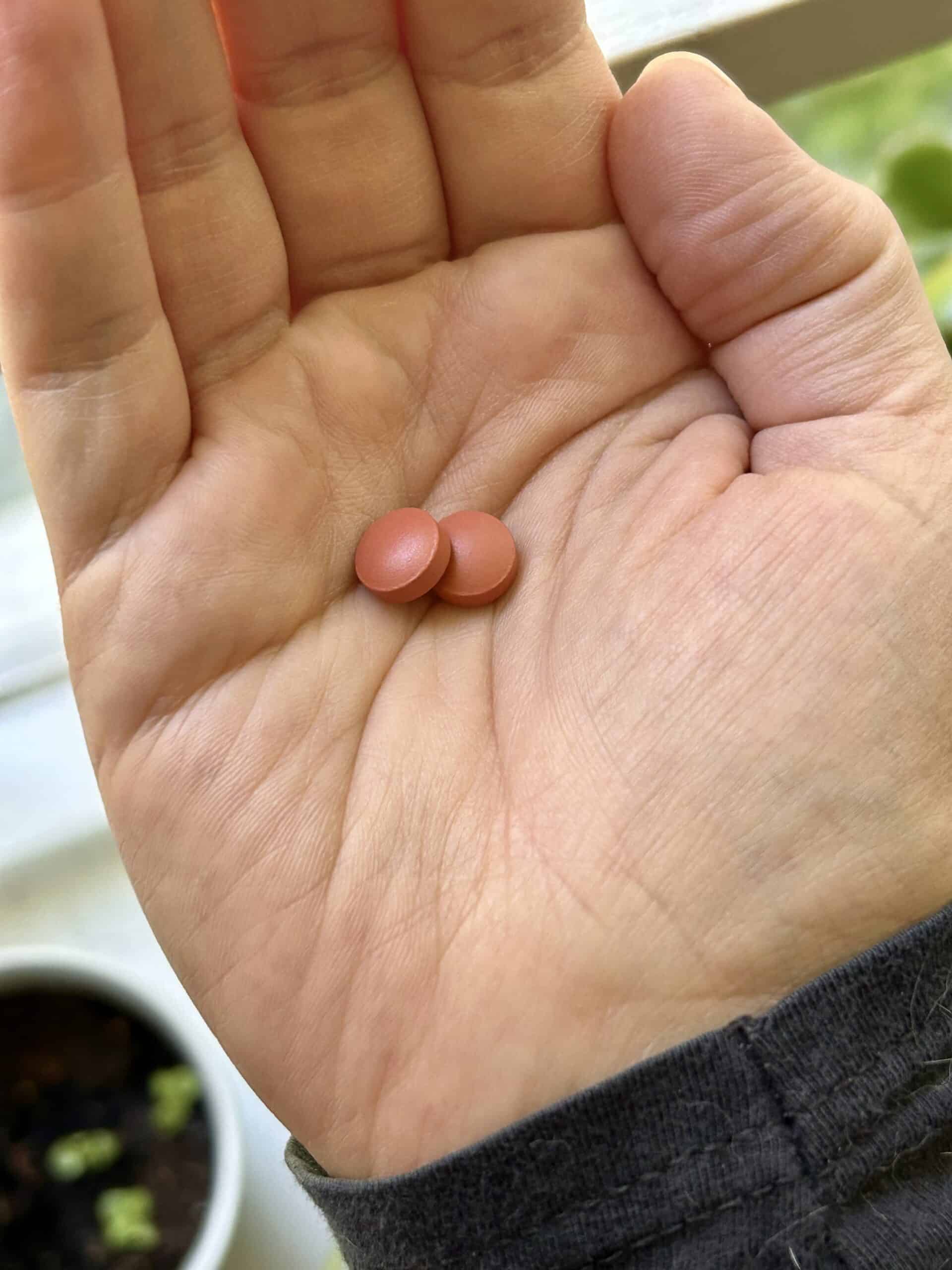
Also, when considering the use of expired medications, not every case is equally important. For instance, if your over-the-counter ibuprofen has lost potency, then perhaps your headache will persist. That's not fun, but it's not a huge deal.
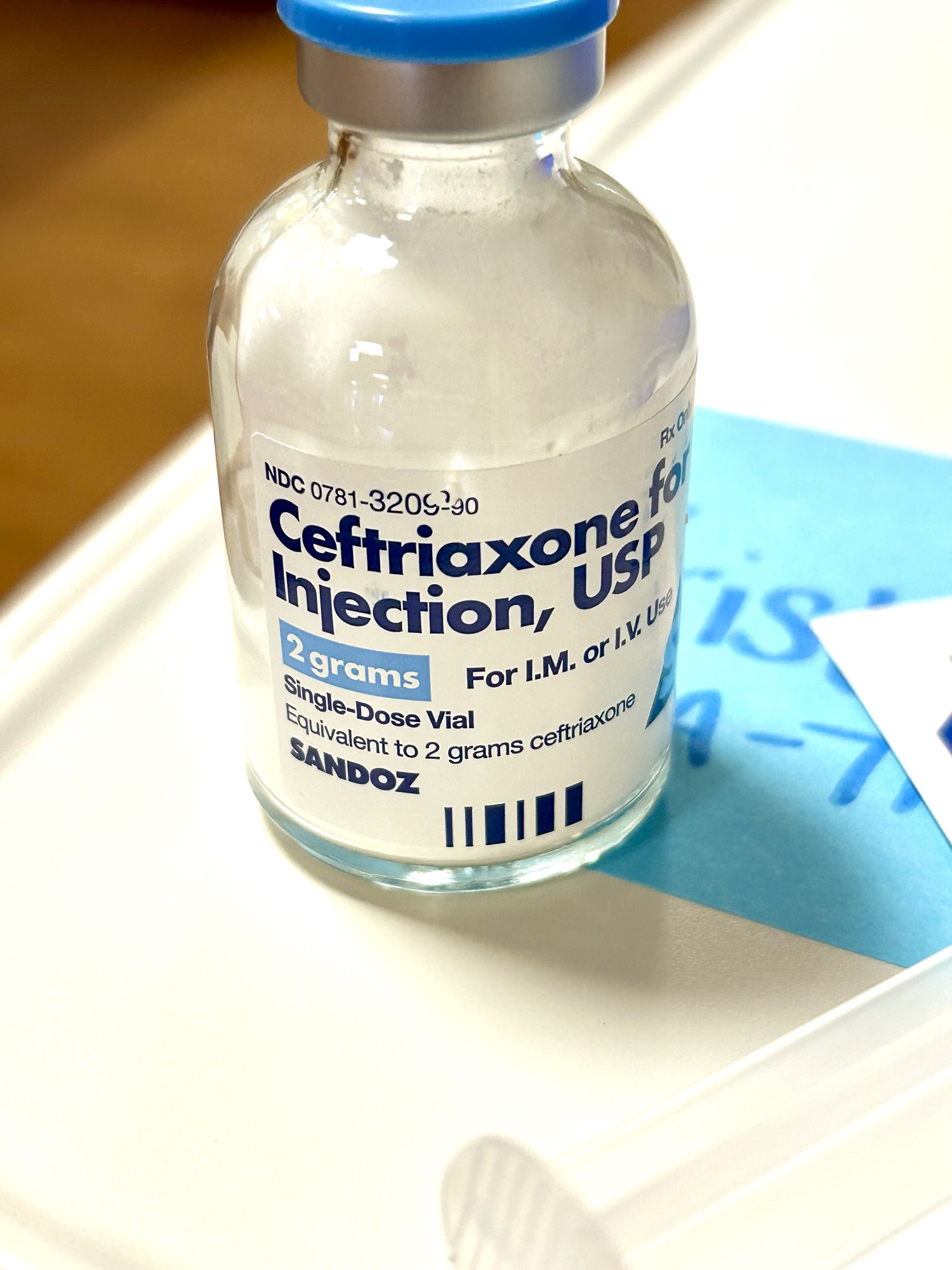
But if your expired insulin has lost potency, you could get really sick. If your antibiotic isn't potent, your infection could persist. If your paramedic's amiodarone doesn't work, you might not pull through!
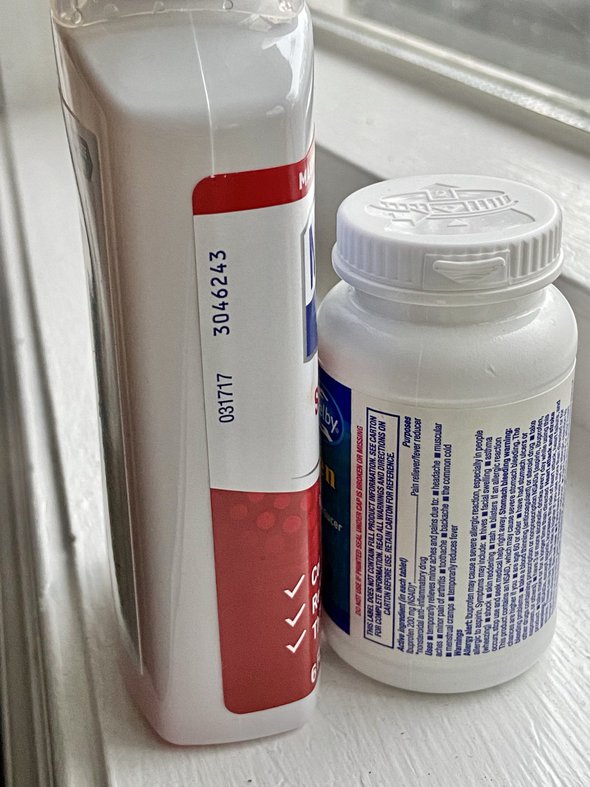
Also, storage matters; medications that have been in a cool, dark place last longer than medications that have been in hot sunlight (Gikonyo et al., 2019).
Should you use expired over-the-counter medications?
I'm not gonna tell you what you should do, because I'm not trying to get sued. 😉
For me personally, it would depend on the product. If it's a low-stakes situation, I'd be willing to try a slightly expired medication, assuming that it had been stored in a cool, dry place.
If my Gas-X has lost a little potency, nothing terrible will happen, you know? And given that the DOD program has shown that something like 90% of drugs are good for years after their expiration dates (Gikonyo et al., 2019), it's not a very risky proposition anyway.
I'd also be willing to try, say, an anti-itch topical medication because it would be pretty obvious if it wasn't working. Ha.
I would be very loathe to use any kind of expired eyedrop though, because it's a liquid (less stable), and I would feel so nervous that I might hurt my eye or give myself an infection.
But again, I am not giving you advice on this topic. 😉
What about expired prescription medications?
I take a much harder stance here, mainly because if you keep prescription medications around for years and then you self-treat with them, you could hurt yourself.
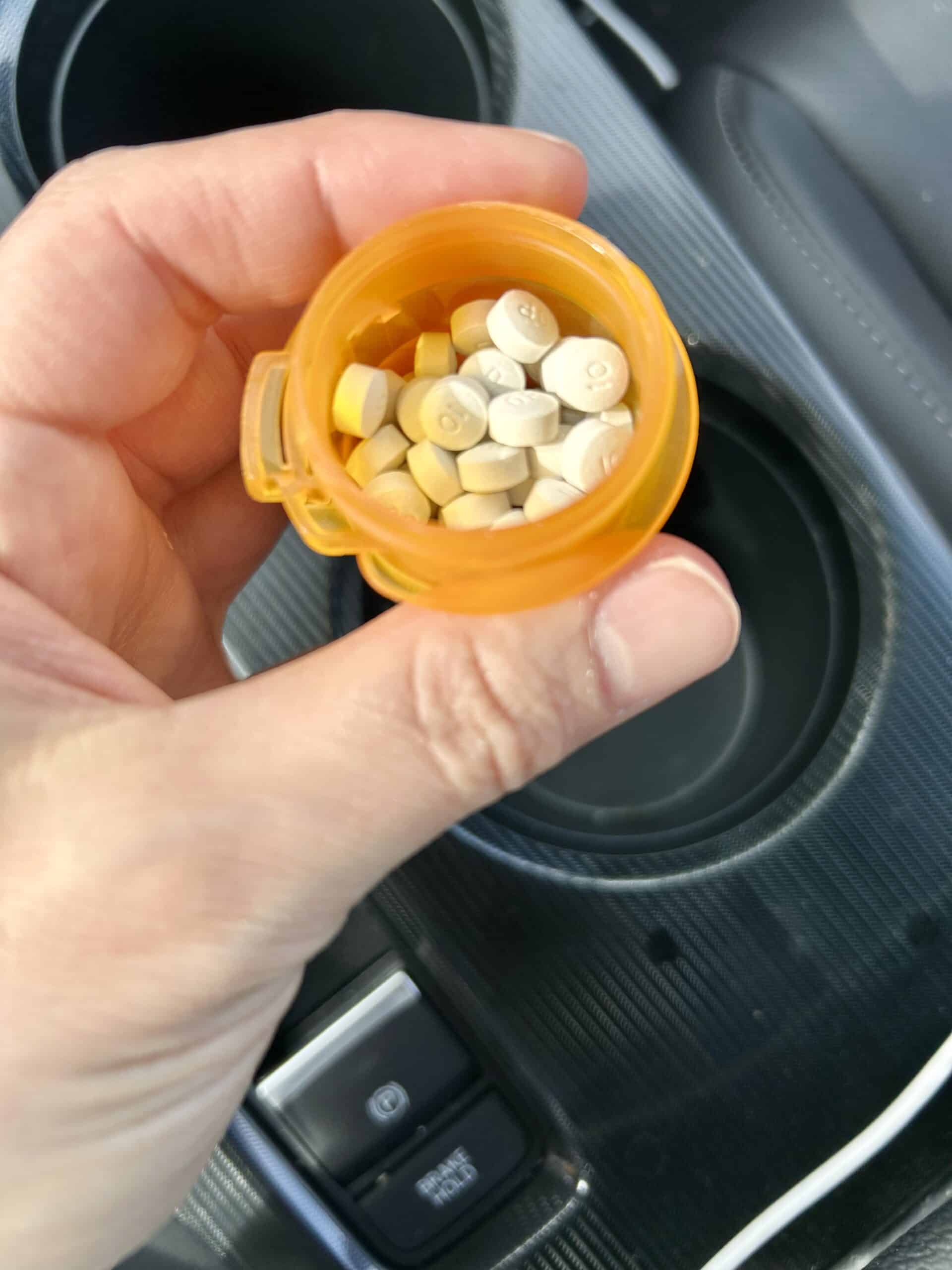
What if this medication interacts poorly with one of your other medications? What if your health status has changed, and now the medication could harm you instead of helping you?
It is much safer to visit a doctor who can evaluate you and all of your medications and help design a treatment plan that is appropriate for right-now-you, not five-years-ago-you.
So, that issue is much less about expiration and more about appropriately diagnosing you and properly managing the big picture of your medications.
For this reason, it is safest to get rid of extra prescription medications once you no longer need them. This also reduces the risk of another household member accidentally taking them (which can happen especially with children or the elderly).
Also: always tell your health care provider about all medications and supplements you take. It'll help them safely care for you!
How to safely dispose of medications
The Environmental Protection Agency says you should not:
- throw them in the trash
- flush them down the toilet
Rather, you should take them to a drug drop-off location. My favorite option is CVS. They have a secure metal bin by their pharmacies, and you can simply drop your meds and walk away.
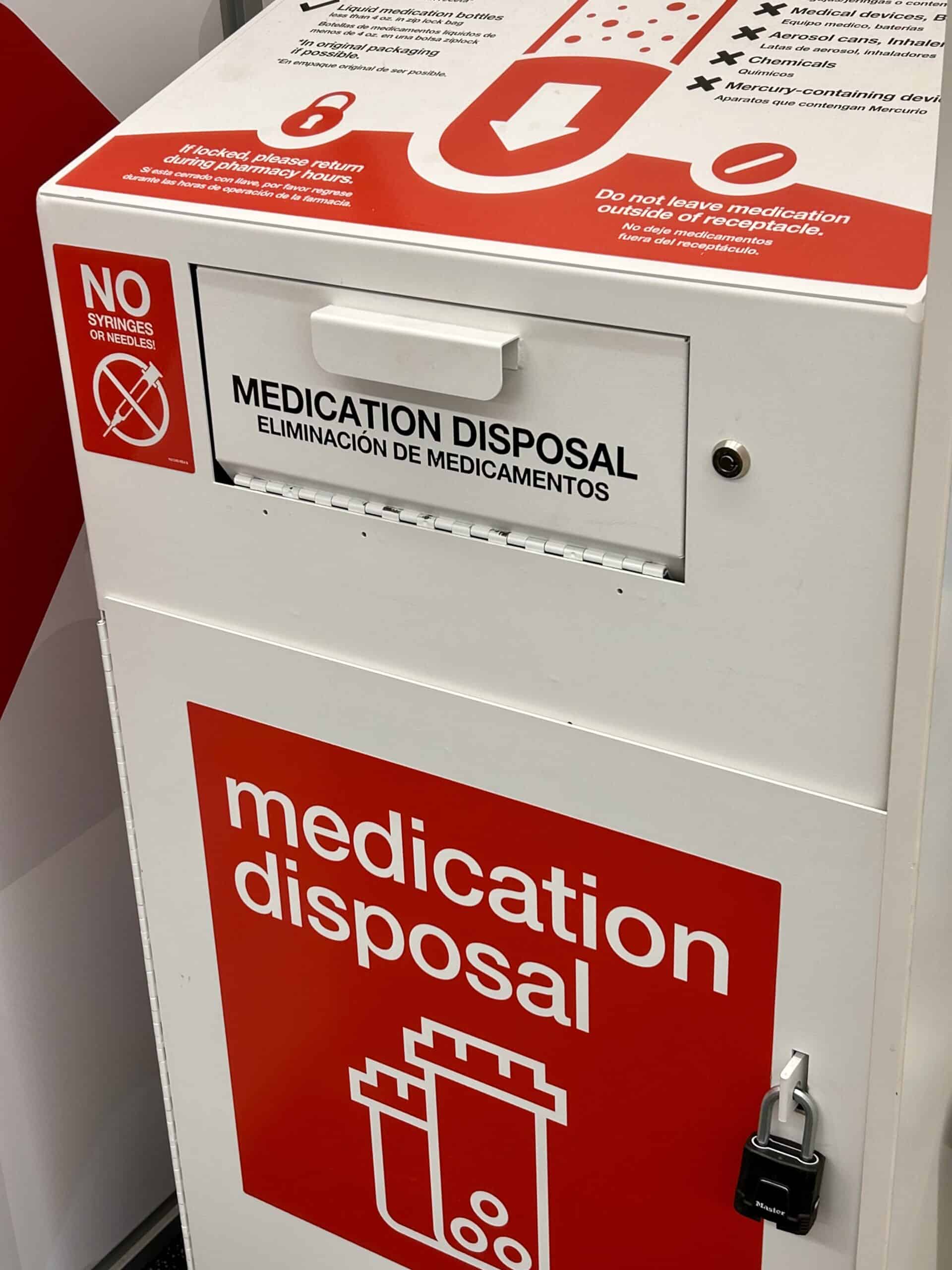
Police stations often have a similar setup, and hospitals do as well.
Walgreens offers free mail-in envelopes for drug disposal, and so does Med-Project USA.
If you do live somewhere without a drug drop-off, or somewhere without mail (?), the recommendations are to mix the medication with coffee grounds or kitty litter, place it in a sealed plastic container (like an empty sour cream container), and throw it in the trash.
The TL;DR (too long, didn't read)
- Many medications are good past their expiration date if they've been stored properly
- Expired OTC meds might lose potency
- Expired prescription meds should be disposed of; don't self-medicate. See a doctor!
- Don't flush or trash meds
- Do take them to a drop-off location or mail them in an approved envelope
A bonus point: exercise restraint when buying over-the-counter medications (don't buy multiples at the same time unless you're sure you can use them), and always check the date if you have multiple packages so you can use the soonest-to-expire package first.
What advice would you add to mine? And have you ever used a medication drop-off box?
References (just to be all official-like, in case you want to fact-check me)
Arioua, A., & Shaw, D. (2024). Use of Expired Drugs: Patients benefits versus industry interest. JMA journal, 7(1), 1–4. https://doi.org/10.31662/jmaj.2022-0209
Gikonyo, D., Gikonyo, A., Luvayo, D., & Ponoth, P. (2019). Drug expiry debate: the myth and the reality. African health sciences, 19(3), 2737–2739. https://doi.org/10.4314/ahs.v19i3.49

Is it sad that I felt like a Real Grown-Up when I rounded up all my expired medications, put them in a clear bag (as per instruction) and dropped them off at a pharmacy?
I once worked in a pharmacy (just behind the counter) and I remember the pharmacist mentioning that liquids are more dangerous to take if they've expired after a while because they can develop poison/mould. Is this true?
I'm not certain of the research around mould, although that makes logical sense to me, and I also am inclined to trust a pharmacist's opinion on the matter. Ha.
But I do remember that the research found that liquids tend to lose their potency faster than tablet/pill medications do.
I currently have a weird ad for what I'm assuming is medicine being poured over a toe! Somehow I don't think that would be effective 😉
For myself, I would risk OTC pills within a year of expiration for most things. And a few of my prescription pills if it's within a couple of months. Old gel capsules, maybe not. Definitely not old liquids, especially if they were opened.
I've cleaned out several older relatives houses and made many trips to police stations with bags of expired meds. Yay keeping things out of landfills!
Recently I had the “pleasure” of going through the medicine cabinet of someone moving to Assisted Living. As she could only have active prescriptions and basic otc meds for the staff to dispense, a clean out was on the to-do list.
I found stuff expired since 2009! Fortunately they had only lived in that house 7 years or it would have been worse. I took 2 kitchen sized trash bags of stuff to the drop off at a pharmacy. I was told that law enforcement incinerate all of it and then it can safely go to the landfill.
I recently was reminded that water treatment plants are not designed to filter out meds, etc from our water so we may all be taking all sorts of chemicals!
Thanks for the reminder!!😎
J in NC, welcome to the club. One of the first things I did after her other close friend (CF) and I moved my 87-year-old next-door neighbor (NDN1) to assisted living in February was round up all the expired medications I could find--and I'm sure I haven't found them all yet. NDN1 and her husband lived in the house since 1971, and she's a clinical-level hoarder, so some of this stuff dated considerably back into what Dr. McCoy in the original Star Trek referred to scornfully as "20th-century medicine"!
When my grandmother had to move out of the home she had occupied for 70 years, we found a glass bottle of some OTC pills. I had a friend, a doctor, who collected old medical items, and I took them to him. He said the medication was the forerunner of Tylenol. I had never heard of the brand name or the generic name of this medicine, so I guess it is no longer manufactured, nor has it been on the market in many decades. But that bottle is now in his collection in his office, in a locked glass cabinet that is sort of like a museum display, in there along with old timey surgical instruments and microscopes. We were just glad this bottle was on the back of a very high shelf (that had cobwebs on it) in my little short grandmother's pantry, or else she might have taken a dose!
I have taken expired medication to my local police station. It took a little more effort than I expected (I believe that I couldn't just drop the whole package - I had to take each pill or tablet out of the packaging) and I don't believe they accepted everything I brought. But they were open and it was an interesting experience to have the police department buzz me in. Fun for the kids.
As a college instructor, I say BRAVO CITATIONS!!! And I always pitch expired medicine, but my frugal hubby doesn't. Also he used to buy giant bottles at Costco. I think I have finally convinced him that's a waste with just two of us, but it hurts him to see the high unit cost of the small bottles.
I second the praise for inclusion of appropriate support! Re: bulk meds. When my husband and I got sick in Costa Rica, our Tico friend took us to the pharmacy, where they split the blister pack and sold pills to us by the count (I think we only bought 5 pills). I can't remember if they gave us a copy of the package insert, though eack blister pack has the active ingredients listed.
I've used our local pharmacy to drop off expired medicine for years. We used to be required to return them in the original container, but now they ask that everything is dumped into a clear bag. I usually do this once a year.
I have used a drug drop off, at the county health department. I had several bottles of expired prescription pain relievers from assorted post surgery situations. I had to remove the pills from the bottles and put in a bag, though the liquid one could stay in the bottle. I don't know if such rules are still in place. It probably varies by location. So you should check the drop off first to see if there are any special requirements for dropping it off.
"Fun" story:
We had a bottle of flavored antibiotics in the fridge for a kid (a precaution after a nasty gash that was slow to heal). When we realized we didn't need it, we placed it on the counter in a brown pharmacy bag to take back for disposal...
The following morning we discovered why these meds needed to be kept cold. The bottle leaked or burst (didn't look close enough!!) and a zillion (certainly an accurate #) ants from near and far were gathered around. Gross!!
We live in an older home with wood siding, so the odd ant is not uncommon... but we certainly didn't intend to create super, antibiotic-resistant ants!! Ouff.
Funny you should bring this up - my father had a LOT of expired medications in the Elfa drawers that I appropriated. The oldest expired on 2008. I guess I shouldn't've put them in the trash. FWIW, I am 100% certain that he never would take them to a disposal site.
I learned that federal regs require prescription meds expire after no more than one year - is this true?
Like Martha C, I was delighted to see citations. I remember the DOD study's publication. They test a few of their stored drugs every year, because they need a large stash for emergency purposes and rebuying would be highly expensive. But unlike many of us, DOD keeps their meds in carefully controlled conditions.
Good research and thoughts - thank you! Helpful to weigh the type, form, and health need addressed of the medications as we make these decisions for ourselves.
I have just a lament kind of in the other direction. I was prescribed a popular brand-name blood thinner when going through medical treatments a couple years ago. My insurance is pretty good and the cost wasn't bad for me; free after I met my out of pocket max. I thankfully don't need the pills anymore! But I still have the bottle and can't bring myself yet to dispose of it because, oh, does it sting to know that this medication is so unaffordable for some people who really need it and I wish there was a legal/acceptable way to donate or share what remains! I understand that the system we have is in place for everyone's protection, but sometimes the rules prevent certain things that could be beneficial and cause excess waste. I'm sure Kristen has to navigate this type of thing as a nurse (medical resources and costs).
No advice, but have you seen Angels in America? There's a similar storyline in that (ie, about sharing expensive drugs which people need).
Heather, it may be worth a Google search in your area. I was recently helping a friend purge some medications her husband no longer needed. They were expensive meds associated with his cancer treatment. I found a charity in the area that takes the meds, reviews them and then their medical volunteers represcribe them to local people who need but can’t afford them.
She was thrilled that someone else could benefit from them. And, if they deem them unsafe, they do the proper disposal. A win/win.
In addition to the drop-off bins at the pharmacy and main police station, our city hosts semi-annual “disposal events” where you can take boxes of paper to be shredded, unneeded/expired drugs, old computers and devices, etc. They have it set up very conveniently in a drive-through fashion with the sheriff’s department there to accept the drugs. It’s very easy and safe way to dispose of such items.
thanks so much for this info. my pharmacy has 22 meds in my profile. last year and now this year, my scripts are free for half of the year cause of my huge out my pocket costs. luckily i don't take all 22 all the time. some are just in case, like the scripts for vertigo. i also don't take the gerd stuff too much. i am pretty good at getting rid of expired meds and food. my m-i-l once had expired food from 2019.
Anita, don't get me started on the foods (well, OK, former foods) CF and I have found in NDN1's refrigerator and pantry, or the dates thereupon!
My mother needed to be taken off of her GLP-1 medication due to pancreas issues. Since she still had several of the injections left, she asked her Endocrinologist what to do with them. Her doctor said that she will take them, for a program that helps patients who have issues affording their medication.
Wow, that makes sense, but I have never heard of a Dr. taking meds back. I've often thought that there should be a way to put these drugs back into the system to help people struggling with drugs costs.
My doctor recently gave me 3 unopened bottles of very expensive
Blood thinner from the family whose mom recently passed away.
All personal info was removed and it saved me $300. I was very thankful.
My father used glaucoma meds for years and had some unopened ones after he passed away. We called his eye doctor and they said to bring them in for patients in need. My mom happened to be there at the same time as one of the recipients and they thanked her for considering to do so. (The doctor did not tell her who the recipient was, the recipient overheard my mom at the desk and introduced themselves.)
We also donated several unopened boxes of Depends to a local assisted living facility.
In the US, a couple of times a year there is National Prescription Drug Take Back Day, where you can drop off pills at collection sites, no questions asked. Usually April and September/October.
Yes! Thank you for sharing such an important message. I cleaned out my medicine cabinet last summer, and i learned that some things are much harder to dispose of than others. Specifically, the dropoff locations at CVS/Walgreens do not accept everything, so be sure to check what is allowed. Mine did not accept any liquid meds. I was extremely upset because the pharmacist (!) told me to just pour them down the drain. Uhhhhh, no. (FWIW, I reported that pharmacist and did get a call back that they had spoken to her about it. Still rather alarming.)
Additionally, "sharps" require special handling for disposal so that no one gets hurt. My daughter has multiple EpiPens (one set for home, one set for school, one set for her after-school program), and they expire after a year. So they pile up. The police department had a safe place for me to drop these off. There are sometimes libraries or other places that have a spot for sharps in the bathroom, but I wouldn't want to fill it up with a big batch. Sometimes pharmacies accept them, but you have to bring them in your own supplied sharps container. Sometimes, it is acceptable to use a rinsed, hard, thick plastic container (like a laundry detergent container).
In the end, check the details for what is accepted and the requirements. And a BIG GOLD STAR to everyone who disposes of medication properly!!
I agree about the difficulty in disposing of expired EpiPens! Definitely call ahead. However, a family member who’s a teacher immediately accepted the trainer, which the school could really use.
Even at our hospital, epinephrine has its own special disposal container, separate from our regular liquid med disposal container.
When my mom died a couple of years ago (she was 91), we gathered up her unused meds and brought them to the local police station. They treated the drugs like contraband! The police acted like it was evidence. Makes me wonder if some people come in looking to acquire drugs rather than dispose of them.
When my mom passed away the hospice advised us to empty all the containers into heavy duty zip-close bags and pour liquid dish detergent over it all before putting in trash.
My unofficial research through studies and also other providers is that the form of medication is more important than if prescription or OTC; for example a pill form kept in the conditions you mentioned lasts longer than a compounded form like liquid or cream. Almost always it doesn't hurt you but it won't be as effective. SO your advice about low stakes trying still holds true; fine to try otc itch cream though it may not hurt
Thank you-- very nice summary and I agree with you. Sometimes I think it is amazing that my grandmother made it to old age, as bottles were not dated long ago and she had a rather magical idea about medicine.
Liquids/eye drops are not obviously recyclable in our area.
THANK YOU!
I have used the drop-off box at the local hospital to dispose of an opioid my husband was prescribed after surgery that did not agree with him and an antibiotic I had a reaction to. It felt good to be able to dispose of these safely.
I've also safely taken expired OTC Advil that still seemed to work just fine (and it was expired by a couple of years!)
Kristen, I'm with you about expired drugs. If it's nothing critical I may try an expired drug like an over the counter pain med, but if it's something more critical if it's expired, it gets tossed.
About 10 years ago the state of Arkansas started "drug take back days" where people could bring their unwanted or expired OTC or prescription drugs to secure drop off locations. The idea was to help stop drug abuse by getting these drugs out of homes so they couldn't fall into the hands of people who were not supposed to have them. They were then incinerated. Thousands of pounds of drugs were dropped off. Now thesr events are held about twice a year in locations all over the state. And since then, many police departments, including my own, have installed secure drug take back boxes so you can drop them off anytime. I regularly take mine to the police department and toss them in the box. It's just an easy way to clean out your medicine chest when you need to.
Reading the other comments I was reminded that several times I have donated unused pet medications back to my vet, who will then pass them on to clients whose pets are on the same medication, at no cost.
Cindi, I have done the same. When my sweet girl crossed the rainbow bridge she was on a lot of medication, some of which I had just filled. I took them back to the vet so they could be given to someone who might not have been able to afford them.
Cindy, your comment made me think of a really interesting thing I learned not too long ago. Did you know that implanted medical devices like pacemakers cannot be reused in humans but vets can reuse them in dogs and other larger animals?
I've done that three times but to a no-kill shelter where one kiddo volunteers. The last time I had just stocked up on a you-mix antibiotic which had a short shelf life once mixed as well as a $175 a bottle (3 month supply) of another med. Two of the three times lessened the sting of having to euthanize the pet. The other time the pet could not tolerate the don't-have-to-refrigerate antibiotic. No sense wasting meds.
I disposed of a boatload of meds for a deceased relative. Due to the relative being on Medicaid, it was a try this, try that merry-go round. Sad to have to dump the meds when others could use them. Our area has no program to avoid this type of waste.
Our local Walgreen’s has the metal drop-off box which I always use.
If you have a prescription that your provider has taken you off of, (dose change, didn't work for you, etc.) and it's NOT expired, check to see if there is a local charitable pharmacy that can accept the medication! We have an amazing Charitable pharmacy in Cincinnati (St. Vincent De Paul's), and in Ohio at least they've made the process of donating unused medications very streamlined.
You have provided very important information very clearly. Now I am curious about the results of the military study lol.
Currently we can drop off any type of medication at our amazing city recycling center which is in walking distance for me. I just have to remember to take my ID to prove I am a resident. I've also used the police department and CVS in other places I've lived.
Steve and Annette Economides, aka "America's Cheapest Family," wrote in one of their books that they have friends who are medical missionaries. These missionaries' clinics are stocked with expired meds from the US, according to the book. So the Economides are not too stringent about discarding their meds right away, either.
The book, published in 2007, is called "America's Cheapest Family Gets You Right on the Money: your guide to living better, spending less, and cashing in on your dreams."
They also have a website.
@Fru-Gal Lisa, this is the first time I’ve heard of America’s Cheapest Family. I just ordered their book from Thriftbooks (of course I ordered it used, because the library doesn’t have it). This meant I had to order 3 more books in order to get free shipping because “the more I spend, the more I save”, and then Thriftbooks gave me some sort of a credit, which erased the cost of one of the books. Phew, what an adventure in spending and saving. (GET OFF THE INTERNET, YOU SO-CALLED THRIFTY ARTIST AND GET TO WORK!)
I have been taking expired Lomotil for years. It always works. Like you said, low risk and my doctor offers to renew it every year if I need it. I say no most years because 30 pills will last me a LONG time. The last time, a new pharmacy misread the prescription (missed the "as needed" part) and gave me 750 pills so I could take 2 pills 4 times a day so I may never renew it again.
We have a new drug-take-back program in our senior living complex. We can put any pills into a zip-top bag, all mixed together, and bring it down on drop off day. I am so happy to be able to do this now.
I once asked my endodontist for a prescription for Diflucan to go along with the antibiotic in case it resulted in a yeast infection. This is typically a 1 and done medication. Imagine my surprise (and delight) when I picked up a bottle containing 30 tablets, "take 1 per day for 30 days". It's a lifetime supply for my, me daughter, friends... lol. Fortunately, I also knew not to take it for 30 days!
We tend not to buy OTC medications at Sam’s or other bulk stores because it is too many pills for our two person household. However, the medicine is usually cheaper at those stores per ounce.
I've taken expired medications to our local police department. They have a locked bin in the reception area. They want all medication in a ziplock-type bag and no pill bottles with names/information...it can all be mixed together. They even took the individual plastic nebulizer vials (also in a ziplock bag). It's easy and they are close to home.
We've used the medication drop off at our local Walgreen's when we cleaned out my late father-in-law's medications. We were able to dispose of his Sharps containers at a local hospital. It felt good to clear the cabinets and make things easier on his widow.
Our pharmacist (where I get my prescribed medication) has a drop off box that I use for any medication that I no longer use, including veterinary medication for our cat.
For prescribed medication, I keep 3 mths in a cool dry place; for over the counter medication I have paracetamol tablets, supplements (tablets) lactate tablets for k2 and coughing syrup. I check the "pharma drawer" twice a year. And I have a "disaster box" with ORS and other matters for low likelihood but high impact events, that I check annually.
Where I live (Canada) we can bring expired medications to any pharmacist and they will dispose of them. Where I live we don't have drop boxes so just hand them off to the pharmacist!
Walgreens in my area has the locked disposal bins but not sure if CVS does (they had staffing issues for a while and we stopped going there).
I worked at a medical supply manufacturer. Having seen what it takes to make a batch of sterile eye solution, I would trust the date on the bottle and not use it even a day after.
Aspirin has a long, long shelf life.
Thank you for this wonderful article. I was not aware of the proper way to dispose of drugs for a very long time. I have changed the way I dispose of medicine now. I am older, so some of this was a learning curve for me,
Just the other day I dropped off a gallon ziploc full of empty asthma inhalers at the pharmacy for recycling (my son still uses the ones with CFCs because reluctantly I think breathing is more important than the ozone layer and the non-CFC ones simply don’t work well enough for him). It’s astonishing how many we can acquire over a year with two asthmatics in the house…
Love your blog. I've lost quite a bit of weight with a recommended dietician, so I'm no longer diabetic (yeah!) But I cannot tolerate glucose anymore. I'm a very good cook but this has been a hassle, trust me. I'm 74 now, but I cannot tolerate fast food (processed) anymore. Cracker Barrel & MCL I'm able to manage, they don't season or overcook to oblivion. Dave's Killer Bread (wheat) I can do sometimes, but I usually make cornbread or homemade biscuits with gluten-free flour. Suggestions? Really enjoy your blog, you're thrifty like myself! Oh yes, I sew!
My doctor's group has a medical turn-in at least twice a year and it's usually done throughout the city, for expired medications, expired pet medications, expired over the counter meds and, sharps (needles/auto injectors). I use it on a regular basis throughout the year, I think it's a wonderful program. Check with your doctor's office, they will be happy to give you additional information for what to do with expired medications.
I don’t have much to add to the expired medicine topic, however I did want to mention “expired” canned foods. I put expired in quotes because this is similar to medications where just because a can’s expiration date was yesterday doesn’t mean the food is no longer good. Basically canned foods can last years and your nose is your best bet to checking if it’s spoiled or not. I no longer throw canned foods out once they have reached an expiration date. A quick online search will say as much. The date is a guide and companies want you buying their canned foods. And they may not be willing to test how long canned foods can last.