
Manager Hat + Worker Bee Hat = Productivity
A few years ago, I was listening to a Brilliant Business Moms podcast, and Kat Lee was talking about how as she runs her business, she wears a manager hat and a worker bee hat at different times.
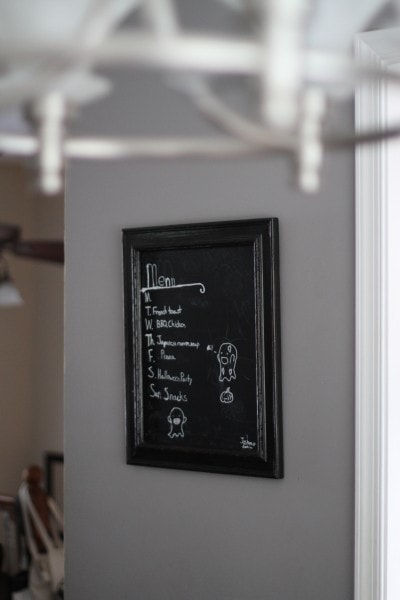
Basically, she sets aside some time to put on the manager hat, which means she strategizes and makes lists for herself.
Then she takes off the manager hat and becomes the worker bee, who does the tasks the manager laid out for her.
This was really helpful for me to hear, because in most areas of my life, I am both the manager and the worker bee.
No one manages my blog, my music job at church, my homeschooling, or my household running. And it's not like I have a minion of worker bees either (except in household running. I do have four helpers there that I manage!).
This meshes pretty well with my personality, because I like to work independently. Still, this much deciding can be exhausting, and all this independence can lead to a lack of direction if I'm not careful to put on my manager hat to direct my worker bee self.
Plus, trying to be the worker bee and the manager in the same moment is somehow more exhausting than separating the two roles.
Having a manager is easy in the sense that you don't have to do so much thinking and deciding. You just show up, see the tasks laid out for you, and complete them.
Luckily, when I spend some time acting as my own manager, I experience those same benefits. Making decisions is tiring, so if I set aside some time to basically do a whole bunch of deciding, then I've freed up other time in my life to just work instead of making decisions.
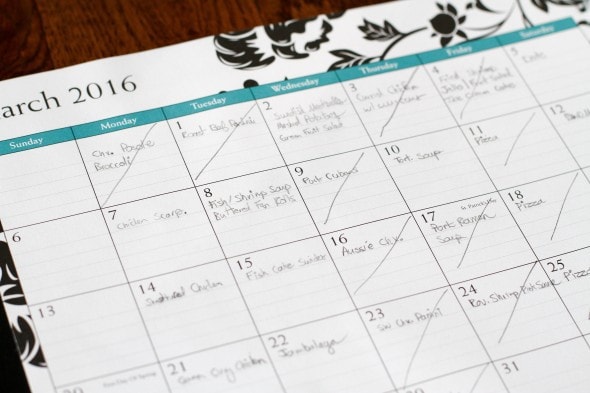
For example, deciding what to make for dinner every day is a task I hate. It requires an unreasonable amount of mental energy. 😉 So, I find it helpful to sit down at the beginning of the month and plan a month's worth of main dishes.
It's not THAT much harder to plan a month than it is to plan a week, and having those decisions already made means that my worker bee self can just execute on those plans.
(and you know that deciding what to make is about 87% of the battle to get dinner on the table!)
As another for instance: I've always got a million possible tasks floating around in my brain, and I find it so helpful to put on my manager hat, make a list of important tasks, and then put on my worker bee hat to knock them out.

Without a list of important tasks, I do whatever task comes up on my radar first, without considering how essential it really is. This leads to busyness but not necessarily productivity, which is why I need to wear my manager hat regularly!
(My summer bucket list is a larger-scale example of this. My manager self decides how I want to spend my summer months, and then my worker bee self knocks out the fun stuff and the productive stuff I've chosen.)
I also see this manager/worker bee thing at play when I'm planning my week. I write out our hard and fast commitments in my planner and then do a brain dump to-do list over on the right column. That's a good start, but it's not quite enough. My manager self needs to take those to-do tasks and pencil them into areas on the calendar so that my worker bee self knows what to do AND when to do it.

Interestingly enough, even though I am both the manager and the worker bee, my worker bee self listens to my manager self! If Manager Kristen puts a distasteful task in the planner for Tuesday morning, Worker Bee Kristen is actually quite likely to knock out the distasteful task instead of procrastinating.
I don't know if it's universally true, but there's something magical about separating the deciding and the working for me. 😉
___________
Do you find this to be true in your life? I'd love to hear your thoughts (and I'm especially interested to hear if some people thrive while simultaneously wearing both hats.)


I never really thought about separating these two out, but I guess this is the approach I use, too. I still have a 9-to-5, so during the day I have my manager hat on, when I make lists and things for future-me to do once I get home. And then once I get home, the yoga pants come on and the flurry of worker bee activity begins! I honestly wouldn't get so much done without my planner and to-do lists from earlier in the day. In the evening I don't even need to think about what I need to do; it's already documented for me.
I've never thought of it this way - but I do things very similarly to you. Once a month I put on my manager hat and plan the month, then I'm the worker bee getting it done day by day. I never thought of doing the meal plan for a whole month and I'm definitely going to have to try it! How often do you shop to keep on track with the plan? Or, do you have any tips on how to make this work for a whole month at a time?
I still do shop once a week, and I tweak the menu plan when I sit down and plan each week out in detail. But having a month's worth of ideas is still super helpful to me! Then I've got a framework to go off of when I do the weekly planning.
This is such an interesting concept! While I've always made daily to-do lists and weekly menu plans, I'd never thought of it as being a separate brain activity from completing the items on the list.
This is going to be really interesting to keep in the back of my head as I go through the next few days, to see which areas I automatically implement the two hats, and which areas would be improved by not trying to wear them both at once.
A couple of tricks my manager does to make my worker bee more productive is 1) when the daily to-do list looks long and daunting, she jots down the amount of time each item can reasonably be expected to take, then totals it all up, and it usually isn't nearly as bad as it looks; 2) when a single job seems too big and overwhelming, she sets a timer for 15 minutes. The worker bee works really diligently until the timer goes off, then gets to take a 5 minute break to check Instagram or whatever. My worker bee gets overwhelmed when a task (or list) seems too long, so these tricks make the jobs feel more manageable.
I love the timmer methid when the kids are at school, the house is wrecked and I want it clean THAT DAY. ha! I crank up some music, make some tea and really focus because the timer is chasing me. A fun, high energy way to be productive, I think!
Ugh. "Timer method". I'm dying over here.
Hahaha, I love it. Timmer methid. I could edit it but I'm just gonna leave it. 😉
Brutal. Lol!
That is exactly how I juggle the different roles in my life. We have a small pest control business. My husband does the sales and service, most of the laundry and dishes and I do everything else, from accounts to invoices to negotiating insurance to personal finances and all of the handyman work because he isn't home and isn't handy anyway. It is daunting at times. We also have three boys in 2 different schools, one of them with special needs. My husband works late most days so I also do all of the shopping and cooking. Pretty typical wide range of tasks, I think. In the winter he only has a couple of jobs per day, less than 2 hours of work, so he takes over picking up the kids at their various schools, tutoring and activities and I get some time to tackle things at home. It's a nice break for both of us.
NONE of this happens, though, unless my manager hat goes on and I plan it out. My husband schedules his work but I plan everything else. Lists and reminders in the calendar on my phone are my lifeline and my guide. I sit down in bed at night and scan the lists in my Memos app and make new ones, as needed. Broken out by day of the week, then one for "next week", one for "next month", one for each season and one for next year. It helps me go to sleep to know what I have planned. When things get really crazy I have to write the lists out by hand because it is centering for me. LOL!!!!
I never thought about it like this, but I love this idea and think it will be very helpful to me! I definitely notice that if I write a task on my "to do" list it eventually gets done - whereas if I just have the idea in my head, it does not. So glad you wrote this post.
This sounds kind of tiring to me. I have enough trouble just being one person some days.
Though I suppose I do both things simultaneously. I hate writing out to-do lists, actually. I keep them all in my head, I guess, and kind of plan as I go. I don't like having to think about doing things before I'm actually going to do them. Or something. I know this is very weird. At least, based on the number of planners/bullet journals/list templates I see online.
I don't meal plan, either. I make my plan for dinner usually early in the day and then just do it. I can do that because I'm home all day and also have large quantities of meat in the freezer and canned or frozen produce on hand at all times. Sometimes I plan farther ahead if I have to start pizza dough (sourdough--takes about a day and a half) or something, but that's about it.
I guess I don't like feeling like I have a list telling me what to do. I don't take direction well. Even from myself. 🙂
This is funny because I'm about the least spontaneous person alive, it's just that my rigidity is all in my head and not on paper. Makes it kind of tricky for my husband and kids, though. They can unwittingly disrupt the schedule they're not actually aware of . . . Charming, I know.
That's so interesting! I definitely have some rigidity in my head, but I still function better when I write it down.
I'd never thought about this, either. I had to sit here and think about what I do. Too often, when it comes to housework, I think I just do the worker bee routine without a managerial plan, so I can take forever to get it done and get off-task too easily. That's frustrating, because I work outside the home, cleaning my house on weekends, and the longer the housework takes, the less weekend I have to enjoy. I'll have to try the manager-first, worker bee-second approach this weekend.
I'm not a list person either, with the exception of holidays. Then I make lists like crazy -- what I plan to purchase or make as presents if it's Christmas, getting the house clean and ready for visitors or overnight guests, polishing the silver, and purchasing and making the big holiday dinner. It's all on paper, decisions made, then I go to work fulfilling my lists like a good worker bee. I don't know why I resist doing that on everyday tasks.
On a tangent, I have never, repeat never, successfully managed to meal plan ahead on paper. One or two days ahead, in my head, is my normal. I can never seem to gauge if we'll eat a different meal each night or have enough leftovers to eat one night's meal again, never can think of what goes with what, never can think of what sounds good, and just almost go into a coma while staring at the paper. Clearly, it's not my talent.
But if doing things one or two days at a time for meals is working for you, I see no reason to change it! Do what works for you. 🙂
Thanks! I think I probably always will plan my meals this way -- it's in my DNA, I think :). I try to keep a decent variety of things we actually will eat on hand to choose from, and of course, I do make an effort to buy some things I know we'll want to eat together -- when I get stew beef from a farm, I make sure we also have onions, carrots and potatoes, that sort of thing.
I think that is far from unusual, JD. In France it is common to buy much of what you will make for dinner on your way home, and everything is nice and fresh. That is so impractical in my city, but it sounds nice.
My extensive planning started when we had a budget so tight it squeaked when you looked at it. Planning was how I fed all of us. Without a meal plan (ours is pretty informal...I just shop for 6 dinners, and lunch, breakfast and snack items that need stocking up and we eat those dinners whenever I feel like making them) and a strict list we couldn't stay under my target for each week. Now it is just a habit that has become pretty easy for me. Efficiency is challenging for my perpetually distracted brain, so any good habit is a giant win.
I think this is a very efficient way to work. I work a full time job, have two young children, and for the most part cook at home and keep a tidy home. Sundays I sit down and make a meal plan, a list of task for the week, and try to organize everyone's schedules. This might sound like a big job and it can be, but it is totally worth it. The reality is if I don't have a plan, nothing gets done. It might not be a fair thing, but it's a reality that mothers have to do the majority of the managing and maintaining of the household even though we are expected to go out and make the bacon too.
I've been the CEO of me for quite some time now. I do the manager/worker thing. Planning and prioritizing has saved the day more than once. I so agree with the menu planning taking the majority of the time. I just said that last night - doing the cooking isn't as tedious as making a plan. The other thing about making a plan is the impact it has on the grocery budget. And sometimes the plan morphs into leftovers and there's plans left over. I like the brain dump to-do list; some busy jobs can get knocked off in 10-15 min and the to-do list gets whittled down. Many jobs take less time than anticipated. I've used the 2-hr limit on really big jobs, i.e. taking old corrals down. I have to stick to it for a minimum of 2 hrs. It's amazing what can be accomplished. When it comes to lists, I don't focus on what's left to do, I just do the next thing. Sometimes that means I'm working on yesterday's list. And I schedule the most formidable tasks for the time of day when I am the most productive, usually the morning. I also like to schedule time/days off.
I needed this post! I just had baby #4 and moved to a much bigger home in September. I feel constantly busy but never productive, and that's frustrating. I think you just outlined a mental shift that will help solve my problem. Thank you!
This is really great. I find that if I don't start out wearing my manager hat at work, I either get overwhelmed by my to-do list and stare at it a lot, and/or feel like I'm constantly putting out fires. And I completely agree that managing and worker bee-ing at the same time doesn't go well in my brain. Thanks for putting in words some disjointed thoughts that have been floating around in my head for a while 🙂
I had a co worker once voice a suggestion of how she handles her large to-do list. She makes her large list and then takes the most important 5 things and writes that on another to-do list for "right now" and hides the larger one.
This is pretty much exactly how I do things. I am a paper/pencil list maker by nature. I have a "must do today" list for every day, a list of things I'd like to accomplish "extra" on a given day or by the week depending on what it is, then I have a larger project list that is on going and constantly being updated. My sweet husband has learned how important my liasts are to me. In fact last night I had a sticky note on the counter and had JUST completely the last item on it ( it was actually of stuff either of us could do this week-but I got to it first) and he said, " do you NEED to mark this off the list or can I just go ahead and throw it away?"
I shop every 2 weeks and meal plan for the week every Sunday--we go back to the store in between for produce, milk and bread. I am very routine oriented BUT as I've gotten older and we are empty nesters now, I can be a bit more spontaneous. I try to get all my "chores" done between when I get home from work at 3:00 and when my husband gets home at 5:30.
Being organized really helps keep me from being overwhelmed during hectic times and especially during the holidays.
Definitely better for me to write down my week and my month. Also a daily list usually,too.. I keep a paper day planner. I also do menus a month ahead..soo much less work then week after week. THAT has helped me get grocery shopping down to 3 times a month instead of 4 and we all know less grocery store time means less money spent.
I would just flounder all over the place if I did not keep notes and lists. I love the sense of accomplishment when I see my daily list has (mostly) been taken care of.
You are so right about the brain drain of figuring out what to eat for dinner each night. It's just about the worse job ever. I am going to try your idea of jotting down dinner ideas for a month and see how that goes. At least there will be guidelines to work with.
I do something similar with planning, but I never thought about separating out the two roles. I'm in a period right now where I'm needing to rethink some of my commitments and scheduling, and this is a helpful distinction.
I really like this distinction, and it's something I've thought about a lot since reading Rachel Jankovic's Loving the Little Years years ago, where she makes a similar distinction. She talks about how SAHMs (or mostly SAHMs) are both boss and worker, and how we need to learn to be both good workers and good bosses. I know that I often fall into the trap she describes, of being both a bad boss who has unreasonable demands (I've been know to put something like "Clean and declutter the second floor" as the sixth item on a 18-item long daily to-do list), and a bad worker who refuses to do what they are asked (I'll then look at that list and go, "Ugh! No way! I'm going to listen to an audiobook and play Bejeweled instead of doing any of it!").
She encourages the reader to be both a good boss, who has reasonable demands and is sensitive to the needs of the worker, and a good worker, who diligently does what must be done. I often think of this distinction when I'm planning my day. Sometimes it helps me to imagine a worker other than myself. If I was hiring somebody to come over and clean my house for 45 minutes, what would I ask them to do? (It would not be cleaning and decluttering my entire second floor!) Then that's a reasonable list of things to expect from myself. If I had a TA who did my grading, how many papers would I expect them to grade in a day? (It would not be all of the papers!) Then that's a reasonable number of papers for me to expect myself to grade. For me, thinking of how I would assign tasks if I was managing other people helps a lot, because my expectations tend to be a lot more realistic.
Another way of illustrating this is the Elephant and the Rider. I think the book Switch introduced me to this concept. The elephant is your (non-logical, lizard) brain - a huge, lumbering thing that wants to sleep and eat and poo. We have to make sure the Rider is in charge of this enormous animal, or it can do a lot of damage. https://www.youtube.com/watch?v=ipalwtgoLq0
That was a helpful metaphor for me! So when I make a to-do list for the day, I'm being a good Rider and telling my elephant what to do, otherwise it may sit around drinking coffee and checking Instagram for an hour. 🙂