
What's your "Should I buy this or not?" algorithm at the grocery store?
I don't know if algorithm is the right word...I also considered "decision tree" or "rubric". Bear with me, and I'll explain.
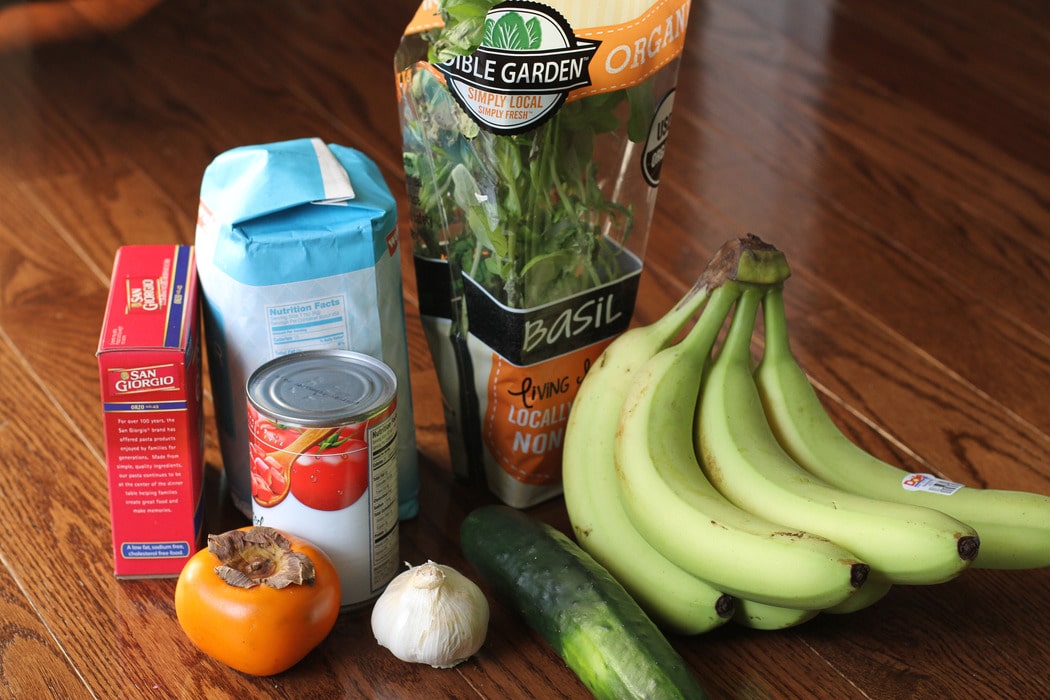
In a recent miscellany post, I mentioned that as long as something meets my nutritional goals and is reasonably affordable, I'll buy it.
And that got me thinking about how we probably all have a mental list of criteria we run through when we are making decisions at the grocery store, even though some of it is automatic and subconscious.
So, I'm gonna try to type mine out and see if I can figure out what things I consider.
1. Is it providing good nutritional value?
This is probably one of the top things I consider! I'm always trying to feed myself in ways that help my body, so I look for foods that provide vitamins, minerals, fiber, and protein.
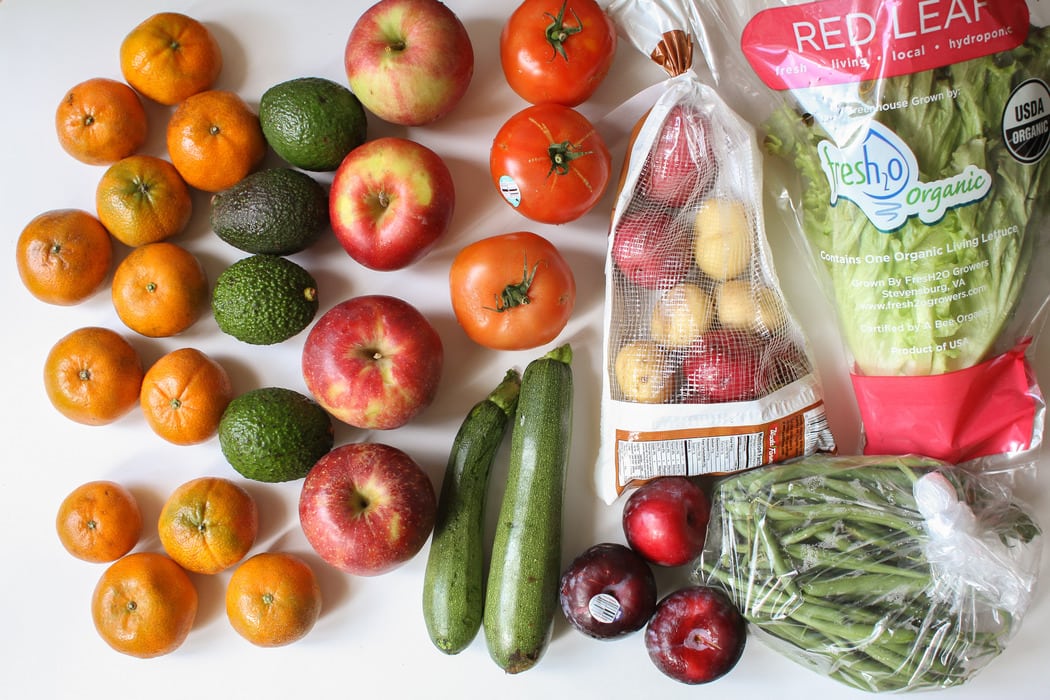
Of course, I do buy some things that are strictly for enjoyment (like coffee!), but in general, most of my cart contents pack a decent nutritional punch.
That way, my grocery dollars are providing me with a lot of value.
2. Is it sorta unprocessed?
I'm not going to say I eat an unprocessed diet, because I'm not getting food straight from the farm!
But I aim for "sorta unprocessed". For example....
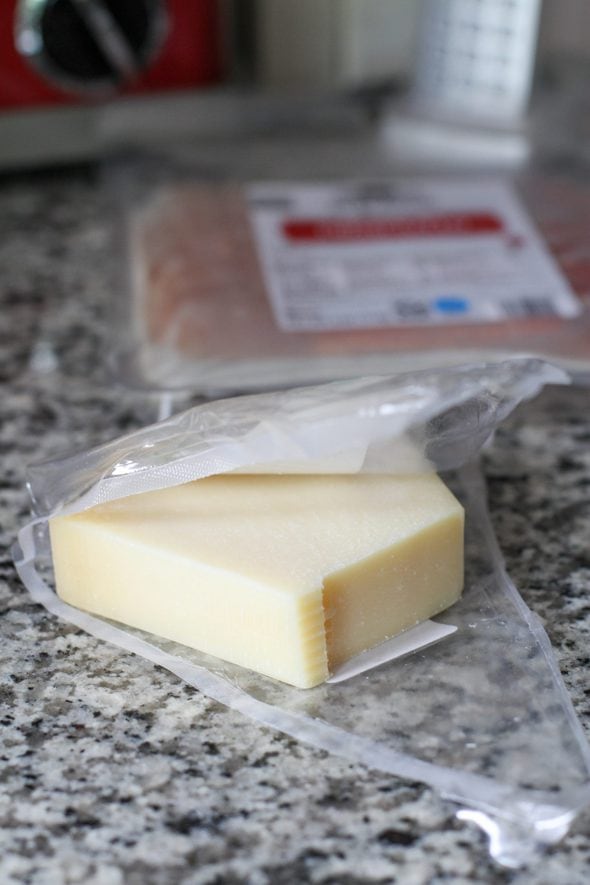
A block of Parmesan is less processed than a can of spray cheese.
A container of half and half is less processed than a container of flavored coffee creamer.
A bag of frozen chicken breasts is less processed than a bag of frozen chicken nuggets.
3. Is it quick and convenient?
At this point in my life, I prioritize speed more than I used to. That's why I buy bags of frozen chicken tenderloins vs. whole chickens, and it's also why I buy rotisserie chickens pretty regularly!
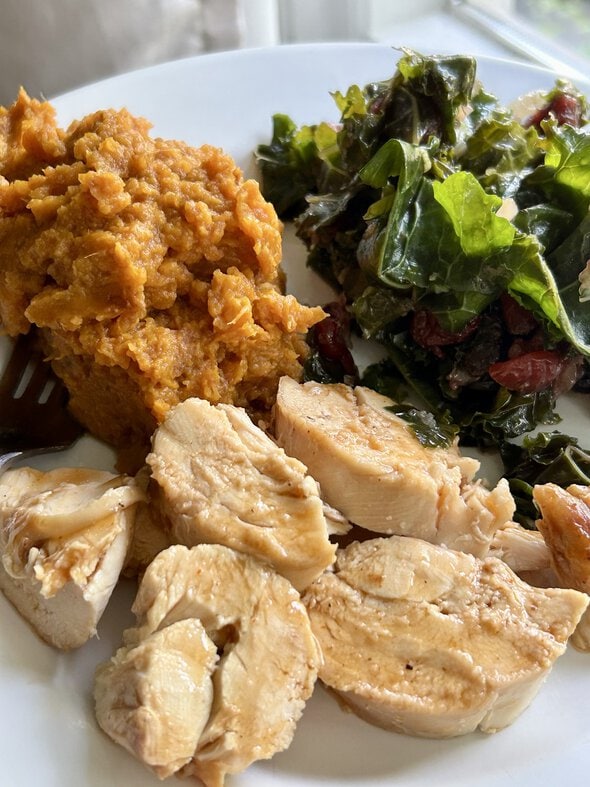
As long as a quick and convenient food also meets the first two criteria (decent nutrition + sorta unprocessed), I'll buy it.
(Ooh, salad kits fall under this heading as well!)
4. Is it reasonably affordable?
Some foods meet all three of the above criteria (nutritious, unprocessed, and quick), but they're not very affordable. For example, some stores sell ready-made meals that are pretty nutritious and also quick to heat up, but they are rather expensive.
I'm willing to pay a little more for convenience, but I have my limits.
5. Is it minimally packaged?
Almost everything we buy is packaged in some way, but there are levels to this! I try to prioritize food that has less packaging.
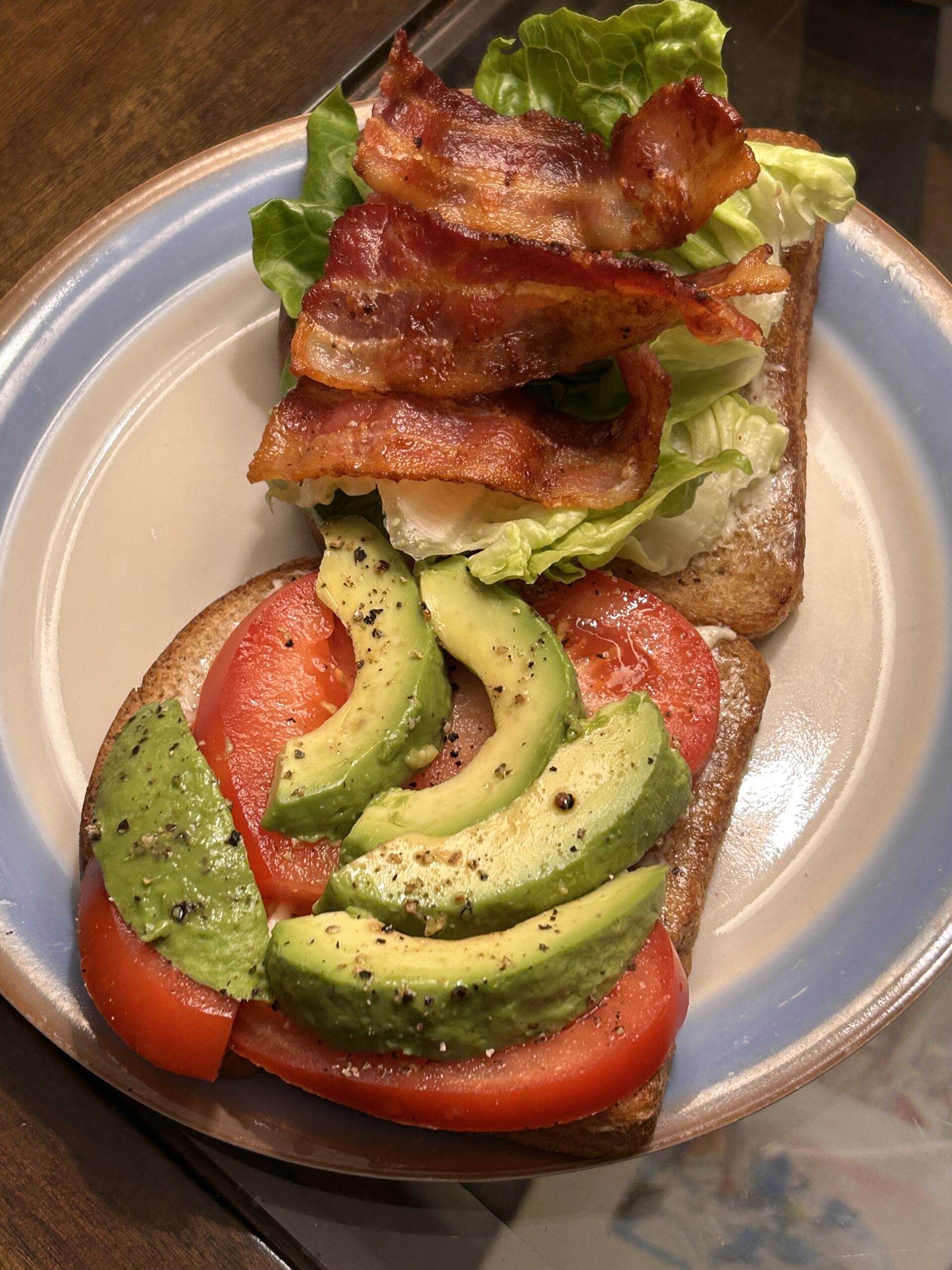
6. Do I want to eat this?
I almost finished the list without including this question, but it's important! If a food is nutritious, unprocessed, convenient, affordable, and minimally packaged, but I'd be miserable eating it, what's the point?
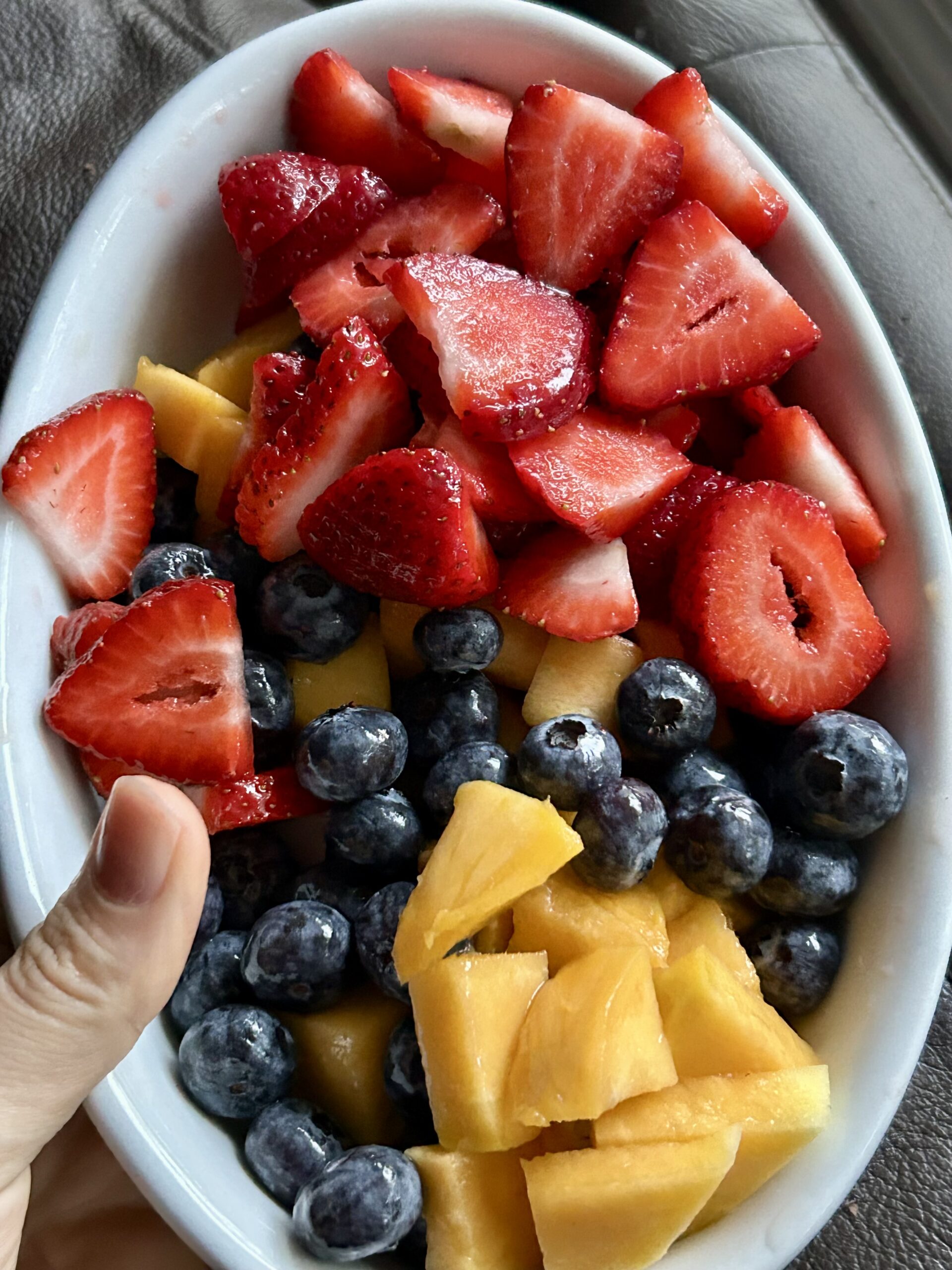
Food serves a purpose (keeping me alive), but I also think it's supposed to be an enjoyable experience. 🙂 I buy and prepare food that I want to eat!
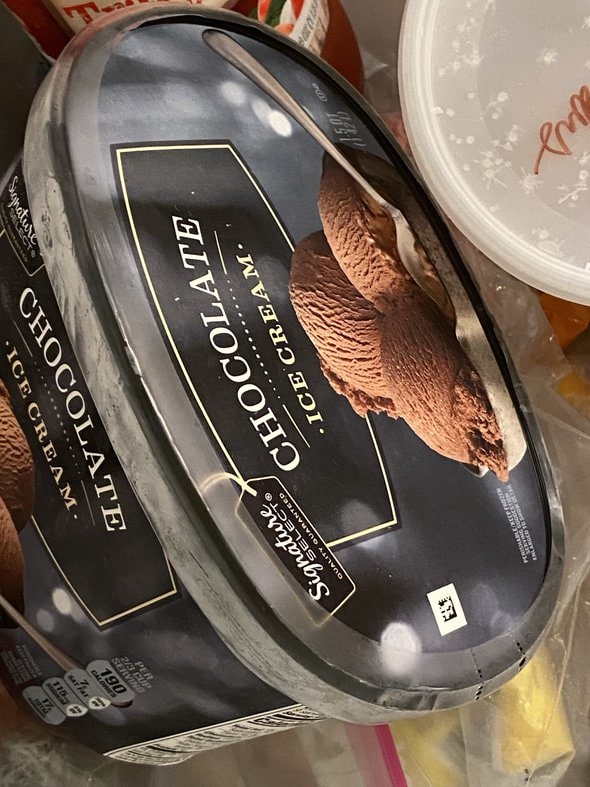
Relatedly, this is why I also buy some items that meet none of the first five criteria (like...cookie butter. Chocolate. Ice cream. Hot cocoa packets.) They're just not the bulk of what I buy.
It's also why I buy sauces, spices, and dressings; they make food more fun.
Always changing
When I look back at earlier times in my life, I can see that these priorities have shifted and changed with different stages of life.
For example, when I had a more barebones grocery budget, affordability was the highest priority!
And in stages when I was home more, I was less concerned about "quick and convenient" than I am now.
What do your "Should I buy this food?" criteria look like right now?
Maybe your rubric looks like mine, or maybe you're avoiding GMO, buying organic, working around allergies, or something else entirely. Tell us about it!
All of the above. I'm aiming for more whole foods and also less processed. It looks like I'm going to be eliminating or reducing lunch meats as they've just been classified as a Class 1 carcinogen. I don't eat a lot of this type of thing but I do love bacon in anything and pepperoni on my pizza. Also ham in split pea soup. I'm also concerned with packaging and pesticides. I try to buy what I know I will eat and fresh produce in small enough amounts that it won't get wasted.
Jill, does this include whole honey roasted hams? I have been using ham shanks for that bacon flavor in soups and stews.
Also, just a note about "organic." My husband is a California farmer. The United States is one of the most stringently regulated countries in the world in terms of agriculture. You are fooling yourself or letting advertising fool you if you are buying "organic" especially outside of the country. First of all the term "organic" isn't truly defined or policed well INSIDE the country. You think Mexico strawberries or Chinese walnuts are policed faithfully? Secondly, just because it comes from cute Trader Joe packaging, the frozen veggies have been "sourced ethically" ? Finally "organic" producers are usually small batch and struggling just to survive or newly in the market and making mistakes all the time. Health concerns are real. Incidentally if your organic produce that looks beautiful, be VERY suspicious. There has never been a pretty, truly organic, non-gmo cob of corn.
So, I buy California produce - fresh, frozen, canned, dried. There are great deals all the time - same with meat, nuts ( especially), and grains. The added bonus is you are supporting a business that makes this country food secure.
@Mary Ann, thank you for speaking out about “organic”. My farmer friends scoff at this because the designation doesn’t address anything as to where the acceptable forms of fertilizer and pesticides originate. It generally means the farmer has filled out a bunch of governmental paperwork. (A great source of information about organic and/or sustainable farming is Mollie Engelhart.)
Mary Ann,
Since ham in general is cured with nitrates, nitrites, etc., I would assume they would fall into the same category as lunch meats. Maybe look at the ingredients (if it has one?), or look at the web site of whatever company produces the ham? Just my 2 cents.
Also true of its "uncured" meats that are treated with celery juice/powder. That turns to nitrites as you digest them.
I haven't been able to find any reliable info of a celery juice cure is less harmful than a sodium/potassium nitrite cure.
WilliamB,
I didnt know that about the celery juice/powder. Thanks for the info.
I grew up in Salinas, California, across the road from acres of lettuce fields. Around the Salinas Valley and Central Valley, California "farmers" are often owners of huge agricultural corporations, not mom and pop operations on a few acres of land the term seems to suggest.
When I was a kid, we used to stand outside and watch the tiny planes drop herbicides and pesticides into those lettuce fields. They turned around over our row of houses. We undoubtably breathed the chemicals and they fell in our yards where we played, and in our backyard gardens where we grew our own produce. Out of the families I knew along that corridor (Blanco Road, if anyone is familiar) many of our parents (including my father) died of digestive cancers and I've always wondered if there was some connection.
This study https://academic.oup.com/aje/article/193/11/1583/7693075 shows that among the substances used in commercial agriculture around Monterey County (Salinas area) are methomyl (carbamates), permethrin (pyrethroids), imidacloprid (neonicotinoids), maneb/mancozeb (manganese fungicides), glyphosate, and paraquat and there are demonstrable health risks. Other studies https://peninsulapress.com/2022/02/10/state-failing-to-protect-farmworker-children-harmed-by-pesticides-in-california-advocates-warn have demonstrated a negative effect on children of farmworkers who live within a mile or two of the fields (the distance from the house I grew up in to the lettuce fields was the width of a 4 lane road--it's common for housing tracts to be built on or immediately next to agricultural fields).
California has a certification process for organic farming that looks at long term soil health over and above federal standards, does random soil testing, mandates fewer chemicals may be used, monitors water quality, does not permit GMO's or hormones. Yes, it's true that organic farming is not fertilizer or pesticide "free", but there are still more restrictions on what may be used and the volume, compared to conventional agriculture. It's not just about "filing some papers". And even if there may be little if any improvement on human nutrition from organic foods, there is a demonstrably positive impact on our environment, and the neighbors and the people who actually do the backbreaking labor in the fields. That's something.
It is true that the big agriculture in places like the Salinas and Central Valleys literally feed our country and ensure our food security. Salinas has the nickname "Salad Bowl to the World". But people who choose to buy organic don't deserve to be criticized for doing so--the health of our environment is important, too.
Jan,
Totally get your perspective. My quote was directed to buying "organic" especially outside of the country. " In the article you quoted, note that the real criticism comes about too few inspectors to enforce regulations. Those are the SAME inspectors which do both mainstream ag and organic regulation that you put such stock in. My point: the term organic does Not ensure adherence to regulation. Ethical farmers (which my husband is) adhere strictly to protocol without being policed. That protocol includes informing all neighbors and workers about what is being sprayed and when ( as your article requests.) Going back to my point: if California puts a premium on health legislation and struggles to enforce it, what chance are other countries doing a better job.
Your quote is interesting "the health of our environment is important, too." Are you suggesting our "mom and pop family farm" sixth generation of 2,000 acres which maintains some of the the last of the green space between Sacramento and Bay Area is not concerned about our environment? Should we sell out as all the other multi generation farming families have to housing developers. You have seen Salinas? Would you like that to happen everywhere? Oh and if you want green spaces to exist for California, how do you propose farmers maintain the yield required to stay in business without spraying "governmentally approved" ( same as your organic government) safe spraying with green spaces that are next to your beloved cities. Also, I hope you are not implying that my husband is so callus with lives that he would endanger himself, his sons and the workers who have been with him for over 20 years. Many of whom are first generation Americans, who are able to live in beautiful houses for $300 a month and who now have children who are professionals and continue to live on our land.
As a former rhetoric teacher, I caution any rhetoric that is black and white thinking. I question the value of organic therefore I am insulting anyone who buys organic and also do not care about the environment? This is a slippery slope.
Beautiful and very informative. THANK YOU for reminding me.
My rubric is a lot like yours and it has evolved similarly.
All of the above, and I also buy organic and regional products whenever possible, even if they are a little more expensive. For example, I don't buy onions from New Zealand because there is a regional alternative (I am from Germany), but I am willing to buy bananas and coffee from South America :-).
My first check point is, Will my family eat this? Most of my family ( especially me!) are not adventurous eaters, so I won't buy anything I'm not certain about. Any exotic choices wait until I have my older kids home, or a strong recommendation from someone I trust.
My second checkpoint is cost, is it at a price worth it to me? An example: Beef is expensive now, but I did buy a nice roast for Xmas dinner because I wanted a spread. I got over three meals from it. Mostly I stay within my price points though.
My third: will I have the time or energy to cook/deal with it? This is why I buy prepackaged crackers and yogurts for my kids' lunches. I could buy all the ingredients for homemade lunches, but I don't have the time or interest right now. I need easy food I know they'll eat. And if I bought a big box of crackers to package myself, there's no guarantee that it would last for lunches.
I always had this decision tree in my head but never really thought about it explicitly- what a good exercise!
I like this question! I’ve noticed how varied people’s WIA is and it will be interesting to see their algorithms. My priority is foods that are nutritious, minimally processed, additive- and pesticide-free—and tasty. I eat the same breakfast (hot cereal with fruit) and lunch (a loaded salad) every day, and a lot of my snacks are the same daily as well, so that makes shopping somewhat easier. I don’t enjoy cooking and do buy some convenience foods, even though the less-processed ones are more expensive. I do worry about the price of food rising and needing to adjust my algorithm in the future.
My rubric is very similar. I also try and buy organic and fair trade, if I can. I try and buy things made in good working conditions, as a general rule.
I try to buy things which aren't highly processed but I also try and buy things which will stop me ordering takeout, so sometimes that rule is less enforced 😉
My list is quite similar to Kristen's. I agree with Christine81's addition of regionally grown/produced when feasible as part of my thought process, and mostly am not too concerned with packaging unless it is obscenely packaged.
I always say the best meals to me have 3 criteria - affordable, delicious, nutritious (honorable mention - easy to prepare). I think that idea lines up with my purchases too. Affordable is relative and must balance with nutrition. While I always appreciate a great deal, "cheap" food does not trend to be nutritious nor sustainable. I'm always working to strike the balance.
There's a saying: quick, cheap, nutritious; pick two.
I don't think that's 100% true but it does take a fair amount of expertise to hit all three.
There's a homeschooling corollary I've heard: Feed folks well, keep house reasonably clean, get the homeschooling "all done." Pick two.
We specifically avoid sodium (doctor's orders for my husband) and corn syrup; raw sugar is okay in moderation. We cook from scratch as much as possible and are ever-increasing our reliance on our garden. That said, I do keep no sodium canned, plain tomato sauce on hand because it's handy. My homemade tomato sauce is all frozen and seasoned for specific things, like pasta or pizza--something to fix next year!
@N, do you differentiate between pasta sauce and pizza sauce? Enlighten me, please!
The seasonings for the two are different, at least in our house! 😛 Pasta sauce is SPICY--think red chili pepper--whereas pizza sauce usually starts with garlic, basil, and the faintest pinch of salt; more seasoning can be added, depending on the intended pizza.
Mine is similar, just add "is it Vegan?" to the list.
Agree that the metrics fluctuate throughout life and even during the year. As someone who trains for long distance triathlon, the list sometimes includes "Can I eat this while I'm cycling?" 😅
I have to say that the word "algorithm" sounded odd to me. You used the word criteria a lot in the actual text, which sounds better to me. Less like I'm a computer. 🙂
So! Buying food is a great interest of mine. I do a lot of it. 🙂 However, the stores I buy from change depending on where I happen to drive to for hay buying/basketball games/doctor's appointments/etc. And all of them are smaller stores with pretty limited options. So that is my first question: What does this store actually have?
Next is what I have on hand. This changes depending on the garden, if we've bought a cow for the freezer or had a successful hunt recently, or we've gotten a lot of roosters from neighbors to butcher.
Next is what my family will eat. This means I don't buy, say, cauliflower, because no one but me will eat it.
Next is what is most nutrionally dense. I have four rapidly growing children, three of them teenage (one almost-teenage but eats like it) boys who are already or will be over six feet tall and skinny. They eat an astonishing amount, and they need high-quality calories. That means meat, whole-milk dairy, and potatoes, mostly. Vegetables in smaller quantities. I know some would disagree with me on this, but this is my method for feeding them.
Next, the least-processed options almost always. Partially this is a matter of nutrition, partially cost. I have never purchased spaghetti sauce, for instance, only canned tomatoes. Still processed, since I could buy actual tomatoes, but minimally processed and way cheaper than fresh tomatoes, the quality of which is suspect anyway.
Relatedly, I always go for minimal ingredients. That's why I buy Daisy-brand dairy and the "premium" chorizo when I buy it. (In cheap chorizo--a kind of Mexican pork sausage--the main ingredients are salivary glands and lymph nodes. No thank you. I pay a few dollars more for actual pork in the premium kind.)
My threshold for effort in the kitchen is really high, so convenience isn't much of an issue for me. Almost all grocery store food already seems convenient to me, because I didn't have to grow it or skin it. 🙂 One notable exception to this is dairy, because I really don't want to have to get a milk cow. Though I suspect most people's definition of "convenient" is more like pre-shredded cheese and cups of yogurt, not blocks of cheese and gallons of milk. Oh, and tortillas. I will make tortillas, but I also like the convenience of having some prepared ones on hand.
Next is taste. I have very high standards for this, because I have made/harvested/processed almost all foods I buy myself, and I know how they're supposed to taste. Grocery store food is NEVER as good as "real" food. Unfortunately, I know this. Another reason I buy the Daisy brand, or Philadelphia-brand cream cheese. They taste closer to the real thing. Ditto organic carrots. That's about the only organic thing I reliably buy, because non-organic carrots taste like bleach. Gross.
And then cost. Because most of the things I buy are already cheaper than anything more-processed, I don't actually worry about this overly much except in the case of rare snack foods. I buy store-brand Oreos, Fritos, tortillas, ice cream, etc. when I buy those things. Assuming they're close enough to the name-brand in taste in texture, which they almost always are.
I'm glad I'm not the only one that prefers the organic carrots! They just taste better. And same on the Daisy cottage cheese and sour cream, though lately we've swapped sour cream for 2% Fage plain yogurt, for more nutrition and less fat. And we also usually make our own pasta and pizza sauces, especially Alfredo, because my sons maintain that jarred Alfredo sauce smells like feet!
Would either of you care to share your pasta sauce recipe? I have a wonderful recipe from an Italian friend, but it’s costly and labor intensive (definitely a special treat sort of thing). I haven’t found a cleaner jarred sauce that tastes good to us. I’m not against homemade or more time at all, but I’d love to replace the Raos sauce for sure.
I never make it the same every time, because I never use recipes. It's always tomato product in a smooth form because my family is not a fan of tomato chunks--whole tomatoes pureed, tomato sauce, tomato pasta watered down--garlic in some form, either minced cloves or garlic powder. Sometimes onions if I have some already cooked. Dried basil and oregano. A small amount of balsamic vinegar, a pinch of sugar, salt to taste. And I almost always add butter or cream at the end, though that's not at all traditional.
Marcella Hazen has a famous four-ingredient tomato sauce that is very easy and very good. She says to discard the onion after cooking, but I think it's better pureed into the sauce.
tomato *puree* watered down . . .
I made that Marcella Hazen sauce and pureed the onion in it. Ick. Too oniony for me. All I could think is that I wasted a ton of butter! There is just no accounting for taste, or “de gustibus non est disbutandum” (It’s useless to argue over matters of taste) —my dad used to say this, and it still makes me chuckle that my farmer dad would occasionally spout a Latin phrase.
My favorite sauce for pasta is simply Marcella Hazan's three-ingredient recipe; a large can of whole tomatoes, a whole onion peeled and cut in half, and 5 tablespoons butter, simmered (I use the crockpot) and blended if you like. You can add basil or oregano if you want, or garlic, but I like it just as written. I make this into a tomato soup sometimes by adding water or chicken broth, and it's delicious.
For pizza sauce, I just take a large can of crushed tomatoes (for us, a no-salt added variety) and add maybe a tablespoon of garlic powder and whatever seasonings I feel like (usually basil, black pepper, oregano), and 2 teaspoons of xylitol (or sugar if you can use that).
The Alfredo sauce is a little more complicated and very rich. 4 1/2 cups heavy whipping cream, 1 stick of butter, slowly heated up as the butter melts with 6 teaspoons minced garlic, 3/4 teaspoon black pepper, and 1/2 teaspoon salt. After it's warmed up and is simmering on a medium heat, I add just 1/2 cup of grated Parmesan cheese (the stuff in the canister), and then slowly about 5 Tablespoons of brown rice flour, whisking it all the while, to help it thicken. The original recipe called for something like 5 cups? of cheese, but my kids maintain that that is what causes jarred stuff to smell like feet so that's why we add the rice flour, to help it thicken without so much cheese. This sauce will thicken in the fridge when you store it, but melts upon heating, and makes a great white sauce for pizza as well.
Thank you all!! I’ll definitely have to give these a shot!
Using the best and fraying seasonings you can afford will also make a big difference in your sauce. Me, I'd add a little anchovy sauce to kristin@'s recipe, for non-tomato umami to complement the tomato umami. And a lot of garlic but maybe that's just me.
Agreeing with you on non-organic carrots, they don’t taste as good to me. And whole organic carrots keep well, so we always have them on hand for whatever the need is.
Contrarily, my threshold for kitchen effort is very low, but I spend a lot of time cooking anyway. Otherwise, very matchy-matchy on this. Lots of food basics — frozen (professionally grown) vegetables and (home-grown) meats, potatoes and rice and tortillas, cheese and milk — the things that fill growing bodies.
Then: Where am I and what "usuals" do I know are reliably priced well at this location? What do I have, and what do I need? There are some brand and other preferences, and that's in this category.
After that, it's all about what's on sale. What's on sale that I can plan around? What's on sale that will keep in the pantry or freezer? What's on sale that qualifies as an unusual treat or just something we haven't had in a while? Etc.
I love your perspective. Feeding teenagers and a family is much different than feeding just two. Protein rich, Nutritiously dense food is a must at that stage of life. BTW, Daisy cottage cheese is always in my refrigerator.
I was going to write that organic carrots are the only thing I really strive to always buy organic -- because of taste. I grow my own carrots and we're able to eat them about six months of the year but I can't grow enough for a whole year. I ate my last home-grown carrot two days ago, so today my husband is doing a grocery run and will get a bag of organic carrots. Not as good as home grown, but better tasting that conventional.
In the summer I'm able to buy a lot of local produce, but this time of year, everything is from somewhere else. I buy some things from the local Mennonite store -- I bought a big bag of oatmeal there last week. It was organic, but that's because it's all they offer. I buy flour and beans from them also, and it's organic, but as local as possible.
I often have anxiety about whether I'm doing well at the grocery store (I actually have nightmares where I'm shopping, thinking I'm getting good bargains, and the total at the checkout is astronomically more than I thought!). But we buy mostly whole foods, with a few exceptions. And when I see the exceptions on sale, like my youngest's favorite mac and cheese, I stock up so we're not paying full price for it. I buy frozen fruit, especially berries, because those are cheaper than fresh, and I use them for smoothies mostly.
We have specific health needs: low or no sugar, and in my case, wheat- and soy- and nut- and corn-free. So sometimes I splurge on, say, Siete cassava tortillas. Or gluten-free bread. DH likes the Canyon Bakehouse bread.
If you have a Costco near you, the Canyon Bakehouse bread is only $4.80 a loaf and sold in a two-pack. It's always part of my monthly costco run along with Daisy cottage cheese which is 3 pounds for less than $6.
In theory, my algorithm/rubric/list of criteria is about the same as Kristen's and others'. In practice, I confess that I sometimes fall prey to the temptations of Diet Pepsi and blue corn chips. 🙂 But I have recently given up bacon and deli lunch meats altogether; I strive for low or no sodium; and I'm working on eating more fruits and vegetables.
I may regret saying this some day, but I can't do without my salt. More power to you who can manage without it.
But I do love fruits and vegetables.
The primary portion of my rubric is whether the item is on my grocery list for the week. 🙂 I plan meals and create the lists in advance, and may buy one extra thing each for my husband and myself that are under $5.
When deciding which meals to make (and therefore which ingredients I'll need to purchase), I look at both of our schedules. My husband is in healthcare and works a few days a week until 10pm, so I will prep individual servings of a meal in advance for myself on those nights. On other nights, I'll see how much time I'll have before or after work to figure out how much time I have to prep a crockpot meal in the morning and/or cook when I get home. For all meals, I focus on protein and including fiber/veggies in some way.
I also prep my lunches for the week on Sundays or Mondays, and eat the same breakfast - overnight oats with added protein - almost every morning, which makes life easier! My husband usually prefers to eat one big brunch meal on non-working days, which is almost always a version of eggs and bacon.
I do this too, plan around my schedule, what I think I’ll want to eat/cook given my anticipated level of energy at the end of the day. I don’t cook on the days I work late or care for my grandchild—which means I do more prep on the other days.
My criteria for shopping are similar to yours. I do try to choose organic when possible and affordable, keeping in mind to avoid the conventionally grown versions of the "Dirty Dozen" in produce that are most heavily sprayed with pesticides. I will pay more for organic dairy to avoid the pesticides and added hormones, but it still has to be reasonable price-wise.
I like to shop my city's major farmer's market. I get to know the farmers and how they grow what they offer. They often have great suggestions on how to enjoy their products. I learned from one of them that beet greens are tasty sautéed with a little butter. I used to just compost them or have the farmer do it, but not anymore.
I will occasionally splurge on really good cheese and certain specialties like ramps in the Spring and maple syrup during sugaring season. Even with these I am usually still on budget if I plan carefully.
While my criteria is much like everyone else’s in that I prioritize whole, minimally processed, but still affordable foods, some things have changed since I retired and it’s just my husband and me at home. We eat a lot of fish, which you would think would be cheaper since Florida is surrounded by water; however it isn’t. I am not pressed for time since I am not trying to get dinner done after a long day of work and a stressful commute, so long cooking times aren’t a real consideration. My next-door neighbor and I often share things like soups that are made in large quantities, so I consider their tastes as well as ours. While not reliant on too many brands, I only buy Fairlife milk. It’s more expensive but it’s lactose free and tastes great.
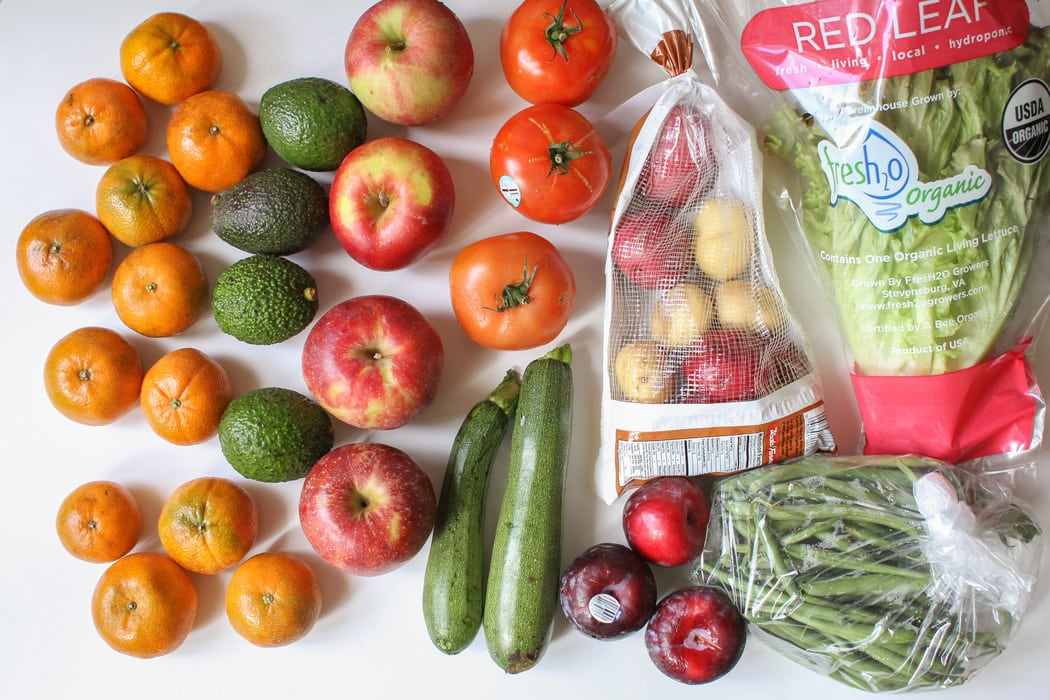
Awwww...the photos at the beginning of this post took me back to when I first began reading your blog. You would unpack your Aldi purchases on the floor for a photo shoot and your four adorable littles would add a few stuffed pets to the grouping. I think this means I've enjoyed your blog for a very long time and love that your kiddos are grown and independent now. It's been a fun journey...keep up the good work. And now we've circled back to food photos on the floor. Without the stuffies.
My food purchase priorities are similar to yours. We're now a retired couple and, with more time, I have gone back to baking our own whole wheat bread (your recipe!!) and making nearly everything from scratch. I've also learned how to manage leftovers with the help of some square freezer boxes that stack and store easily in the freezer. We also buy more fresh fruit and berries. Not cheap, but so delicious and nutritious. Now that we eat all of our meals at home fresh produce never goes to waste.
Thank you for this exercise. It's good to stop and consider how our food purchases have evolved through the years.
Similar thought process. I shop the local farmers market (which we have winter indoor) not the cheapest but farm to table. I also am a member of a CSA that keeps me supplied with basics during winter and local meat.
When I venture to the grocery store it's for the dairy item, beans, other items needed for the recipe of the week.
In addition to health considerations, cost and convenience are among the criteria I use. I don't have a fully functioning kitchen, so that eliminates foods that require a large oven (mine went kaput years ago). My "galley kitchen" is entirely inadequate to cook in, IMHO. Therefore, most hot foods are microwaved, although in recent years, I bought a tabletop oven from Ollie's Outlet. It works well for a one-person household. Instead of cooking from scratch, I usually zap frozen dinners when I want a "real" meal. Yes, it's more expensive than home cooking, but still cheaper than going out or ordering in; other than the postman, you'll never see any delivery people at my door. In the mornings, I either get some ready-made muffins for my breakfast -- or a can of biscuits baked in the little Ollie's oven. Plus coffee, of course -- brewed here in my kitchen. Supper is sometimes chips, crackers or veggies and dip while watching "Jeopardy!" Admittedly, I'm too old to be doing college student/newly hired working girl cookery, but there's no real reason to put forth more effort.
My highest priority now is healthy food since I am older and have the time and money. I cringe when I think how I fed my children in the 90s (remember Hamburger Helper). But things were different back then and there wasn't attention on organic and less processed as there is today.
I too cringe at what I fed my children. I wish I’d done better, but we didn’t have the same information then. It is surprising to me how often dietary recommendations change, given that humans have been eating…forever!
JaeFi,
Dietary recommendations don't really change all that frequently. Its been known for a very long time that eating more whole foods, fewer processed foods, eating heart healthy fats, and including more fruits/vegs/lean protein/whole grains is a healthful way to eat. Nutrition is a science as well, and research reveals new information all the time. (Don't get me started about the USDA new Food Pyramid.....brought to you by the dairy and beef industries who must have paid some hefty fees).
On the advice of my doctor, I quit eating wheat and gluten 12 years ago. I also avoid a handful of other ingredients found in many foods whenever possible. Such things as sunflower and soy lectins, sodium, and certain sugars. Therefore, I eat minimally processed foods and always read the ingredients before I purchase. I try to buy the "cleanest" brand of an item that I can find. Things like store-bought yogurt, salad dressings, and ice cream are not created equally. Some are filled with additives.
At this stage of my life, I do not worry too terribly much about prices. I follow a food budget, but with just DH and me, we don't really consume a great deal. It's much easier to buy for two older people than a young family.
My pantry and freezer are pretty basic - protein, grains, cheese, real dairy, fruits, and vegetables. However, it usually contains coffee and a bar of dark chocolate.
I was very similar to you, Kristen, and other posters above, in my family's younger years, vs today as retired seniors. Currently I prioritize flavor, and de-prioritize prepared foods, so I have an herb garden and generally cook once with an eye toward eating the meal twice, or even three times.
I primarily shop from a list, and rarely venture from it. Exception would be the marked down meat area, where I'll often browse by and pick up any good meat deals to freeze for future meals.
I gave up processed sugar last year, and lost some vanity weight, so the grocery store is pretty cut and dried for me at this point, since I don't want to gain the weight back. Like you, Kristen, I like a good deal on salad-in-a-bag, which makes a nice lunch treat for me.
And there are certain items I buy ONLY when they are on sale - good quality ice cream for my spouse, Kind nut bars, granola bars.
I use the same criteria for sauces and spices (your exception, but I bet you do sometimes consider which ones you buy, by the same criteria!)—for example, I’d sometimes choose mustard over honey mustard, because turmeric and vinegar are good for me, but I try to avoid added sugars.
I’m curious what those who’ve given up lunch meat and bacon have replaced it with? We’re retired on a budget and lunch for my hub is often a toasted lunch meat sandwich topped with a slice of cheese. He also eats bacon and sausage a few times a week. I myself do not. I’ll have yogurt sprinkled with some granola or sliced tomatoes cottage cheese and celery sticks. Our diets only come together, when they do, at dinner time. I’ve not been much of a cook but relied heavily on processed foods most of our lives unfortunately. It’s about 50/50 now. Some froz food then next day salmon, broccoli, and beans. My hub has an extreme sweet tooth and I am always struggling to limit sugar. Long story short (or rather long at this point) is I shop with a mind to limit sugar, and increase protein. In previous times I never worried about price but now I must and I have found it all too true that eating decently healthy at least while satisfying my hubs appetite isn’t cheap. I love this blog which I have been reading since the kids were little bc I’ve always appreciated Kristen’s outlook and optimism tempered with reality.
We do not eat lunch meat, but we do eat uncured bacon in extreme moderation. Once a year at Christmas, I buy a ham.
We eat sandwiches made from line-caught tuna, egg salad, wild-caught shrimp salad, and chicken. (I cook chicken in the crockpot and shred it.) On occasion, we will have left over roast beef which I slice thinly for sandwiches and occasionally I lake a grilled cheese sandwich. I also make the Jennifer Anniston quinoa salad which keeps well in the refrigerator and is nutritionally dense especially if you add shredded chicken. However, we cook most nights and lunch is usually leftovers from the night before or any of the above mentioned salads over spinach or spring mix.
Like you, my DH has a sweet tooth. However, I do not buy anything sweet very often, so he has to go out to buy it if he wants it. He understands that putting this barrier up is good for him.
I make egg salad, tuna salad, PB&J, and sliced cold chicken for sandwiches. We also like to make sandwiches of hummus, lettuce, tomato and pickles in pita. I almost never buy lunch meat except for once or twice a year when I get good Cuban rolls and make pressed Cuban sandwiches. We eat bacon once a week.
Where I shop there are a lot of meat and produce markdowns, so I usually look for those and plan accordingly. Next, I look for our house staples, eggs, cheeses, lunchmeat, bread, yogurt, milk, OJ, dog food, cat food and for those I see what's on sale or the least expensive option. I am not brand loyal! For convenience foods, same I'll check the sales. I get my son some frozen foods, waffles, lunchbox chips ect.. and for me I love Amy's frozen burritos!
I hadn't heard of cookie butter before.
I'm keto and my main focuses are:
1. Whole, 1-ingredient foods (eggs, chicken, beef, avocado, bell pepper, cucumber, cream, berries, butter, etc.).
2. Animal welfare - it's definitely more expensive to buy free range eggs or certified humane beef from a local farm than the store but the animals have vastly better lives, are fed far more appropriate diets (read: not GMO corn), which produces more nutritious products for consumers, and local farmers are supported.
3. Price - since the majority of the fresh, whole food that I buy is expensive, I look to save in other areas that are still in the grocery budget but may or may not be food (e.g., Kleenex, TP, laundry detergent, olive oil, cat litter, crushed tomatoes) and try to get these on sale or from Costco.
Same here; I always buy free-range eggs.
One thought I read about is trying to shop the perimeter of the grocery store. For my store this is veggies/fruit, meat, and dairy. I venture into aisles for coffee/tea, cereal, pasta, sauce, and canned veggies and dried fruit. Generally speaking it feels like the less processed food is on the perimeter of my store. I do shop the aisles for my favorites like microwave popcorn and marshmallows to make rice Krispy treats 🙂
Things have changed for me as well over time, as they should, of course. I buy now with the mental reminder of the things I no longer can tolerate well, such as tomatoes, which I eat in small amounts, or soy, which I eat in very, very small amounts.
I buy with much of the same questions as listed here, with quality, nutrition, less processing, packaging and cost being major factors, and of course, "will I eat it" is always thrown in. I will at times get something I'm not that fond of, just to keep variety in my diet. I love spinach, but I need to eat greens other than spinach now and then. I also consider the time and difficulty it takes to prepare it, which is going to start changing as I'm home all the time. And finally, I consider the weather. I tend to buy oven-cooked foods such as roasts only in the winter, or I will buy them with the idea of freezing it for a while, until the weather cools. I'm not roasting a turkey in July.
I generally look for food that is low saturated fat and higher fiber, is relatively unprocessed and is not high in sugar. We buy vast amounts of produce. I also spend money on additions such as cilantro, fresh parsley, interesting herbs, good cinnamon and very high quality chocolate chips.
I always buy a few things from Whole Foods - rotisserie chicken, natural peanut butter, lavash and of course, those packaged chocolate or red velvet cupcakes in the bakery section😎
Kathy L.,
A friend who is in my Buy Nothing group often offers donated foods that her church has left over to the group. Whole Foods is a frequent donater to her church, which is wonderful. I can say, their vegan blueberry scones are delicious! 🙂 Though more like a muffin than a scone. I'm not complaining.
Will my picky teenager actually eat it? Is there any way I can get him to eat vegetables with or in it?
For myself - is it vegetarian, or preferably vegan? If so does it have a reasonable amount of protein in it? I eat a lot of bean soup 🙂
Is it Nestle? I boycott that company as much as possible (see: teenager)
I think a big part of my weekly shopping algorithm is "what is my energy and stress level this week?" If I have a lot of things going on, stressful activities are on the schedule, etc. then I will tweak my purchasing accordingly and try to lean on some easy meal options. But if it's an easier week then I will be buying more of the basic whole food ingredients and cooking a bit more creatively at home! I always do a quick study of the pantry and write up a loose meal plan before the grocery list comes together, too.
Grocery shopping makes me a wee bit unhinged because my husband and son are both on the autistic spectrum and have extremely limited diets. I am not joking when I say there's a dozen things they will eat. This is complicated by DH needing low-fat, low-sodium, gluten-free, dairy-free options. Out of this sparse ingredient list, I have to create balanced meals for them. It frequently makes me want to cry in the kitchen.
That said, I look for minimal processing within reasonable parameters, and have a price point of $4.99 per whatever, be it fresh meat per pound, bag of cherries, gluten-free items. If it goes over that, I wait for the price to come down.
You have my sincere sympathy. Years ago I had to cook for one daughter with a lot of food allergies to a bunch of really common foods and ingredients (look sometime at how often citric acid is used in foods) and a husband with T1 diabetes and I felt overwhelmed sometimes. To have to do what you are doing all the time would make me absolutely cry in the kitchen. Bless you!
I am a happy omnivore and get to enjoy cooking by making things for myself or else I'd go 'round the bend.
Allergies are so hard to cook for. DH just has intolerances, not true wheat/ dairy allergies. But his tummy and skin are a lot happier when he sticks to the diet.
Ruby, as somebody who was recently diagnosed with wheat, soy, corn, sesame, and nut allergies (plus shellfish, but we rarely ate those anyway), I hear you and I sympathize. My DH sticks to a no added sugar, low wheat diet, as well, so...it stinks sometimes!
Ruby,
You have my every sympathy. My son has ADHD and issues with food textures; he grew up on a steady diet of French fries, milk, and the occasional chicken nugget. I would cringe when we took him for his annual check up: "does he eat 5-6 servings of fruits and vegetables every day?".....ummmm, no. Our pediatrician was awesome, and NEVER made DH and I feel badly about our son's diet (peds doctor had 2 picky eaters at home).
My list is very similar to Kristen’s. For years I wouldn’t buy yogurt, cottage cheese, or sour cream because the packaging seemed too wasteful. Of course I can make my own yogurt, but the other items are beyond my abilities or interest.
However, I have a question about bulk buying: those super thin tissue-like plastic bags which claim to be “compostable” —what in the world are they made out of? Are they actually compostable? Or do they become those dreaded “microplastics”??
Good Question! Cellulose?
I know from sad experience that those bags are not compostable in a non-commercial pile, even a hot pile. I, too, wonder about whether they compost at all.
Our priorities have changed in the past 2 years to more lean, healthy foods. Less red meat. That has ended up helpful with meat prices also. I try to have protein with each meal, especially for DH as his blood sugar was going up and up. It was borderline for years, and even with no weight changes, it eventually continued to increase. He cut a lot of carbs because of that and most sugar foods (I used to bake banana bread or cookies or whatever all the time. I don't do that now except rare occasions).
We have a pretty limited daily diet. DH and I have a protein shake with blueberries in it or cottage cheese with fruit for breakfast. DH has a salad every day for lunch (I chop everything on Sundays so he can throw them together quick during the work day). I usually chop up a few cooked chicken breasts or turkey tenderloins and he adds that to his salad. I normally have a turkey sandwich for lunch or a soup with a piece of fruit for snack.
Dinners we focus on whole foods and DH eats a carb then because no carbs is not a fun life at all and can lead (in our individual experience) to binging on them later. So, dinner is usually a meat, a carb (potato, rice, etc), and a veggie or a salad. We do eat a lot of beans also. DH loves beans so he may have pinto beans or something like that.
I don't buy much processed foods anymore. Cheese is still in our diets if we have burritos or tacos or pizza. I make most all of our food from scratch as I have the time to do so at this point in our lives.
I do try to be frugal and stock up on proteins especially when they are on sale. I have to buy veggies weekly, so they are purchased rather on sale or not. I will stock up greatly on asparagus and brussels sprouts when they are on sale and put them in the freezer or even pickle asparagus. Dh eats any veggie if it is pickled or a kraut so those are always easy to pull a can out on a night we are in a hurry and I don't want to cook a veggie.
We are both creatures of habit so we don't switch up our daytime stuff much. That gives us a little latitude with dinner meals. Usually Friday nights we eat what we want (like pizza or a burger) and try to be decent the rest of the week making sure we prioritize protein and veggies.
My criteria is much of the same, but what’s special/frustrating/bordering on insane is that we have only three grocery chains here in Norway (two of those have several different store concepts) so the last couple of years it’s been increasingly difficult to buy groceries mindfully. Organic is three times as expensive than non-organic, if they sell it at all (in Sweden and Denmark I don’t see these huge pricejumps on organic food), minimal procecced alternatives is replaced by the store own brands of less quality/more procecced and so many things that we have been buying for years don’t get a shelf place in the stores any more because they sell only own brands now.
So you got ground beef from Germany, steaks from Ghana (!), finished frozen meals from Thailand and tomatoes from Netherlands instead of food from Norwegian farmers and producers.
So we’re looking at ways to be more self reliant, thus buying a boat last year, getting a hunting dog for more efficient hunting and looking into getting hens in the back yard.
I buy organic dry goods online in bulk, so what I buy now in the grocery stores is fresh produce and fruit, milk and cheese. And eggs for now. One store have sometimes frozen whole organic chicken that I buy several of when I can.
My criteria are very much like yours, and also I strive to limit food miles. Which is why I will eat frozen berries in winter instead of fresh berries flown in from Peru (however much I like them).
Other considerations are dietary considerations of dinner guests, and versatility. For instance I will buy a jar of mayonaise, but will use that as a base for mustard dressing, garlic sauce etc etc. And I will also make my own spice blends. I will buy good quality flour but not cake mix.
Finally, I try to shop for veg/cheese/fish/artisan bread once a week only and that means I prefer to cut and slice vegetables myself instead of buying them peeled and sliced ahead. I hate it when the food goes mushy or brown after a few days.
Even on hectic days we generally pull off a nutricious quick meal, even if it will not be to the taste of all.
My life is different right now. I live in a senior apartment complex where rent includes a food budget to be used in the restaurants here. So my main question is what am I willing to eat from that menu that will use up that amount? Our spending allowance ends on the 20th so yesterday we ordered desert to bring our remaining balance to zero. Thus, our grocery shopping is pretty much limited to beverages and breakfast foods (bread and eggs for me with cereal and milk for my husband) and dark chocolate. Must have chocolate!
I am reminded of when I needed more calcium (broken bone?). I had so many requirements! In no particular order they were:
- something I would actually drink, i.e., chocolate;
- enough calcium;
- low sugar, especially added sugar;
- acceptable price;
- not a lot of extra calories;
- sufficiently convenient.
You've broken down the categories of what I refer to as "The Trifecta."
Which is healthy/cheap/delicious.
Not every meal hits all three points, but when they do they get added to "the rotation."
How I shop now is quite different than how I shopped previously. I worked for a few years after I had my son, so quick, convenient and nutritious was the qualifiers (with lots of coffee and chocolate for my man). After I began to stay home, cost became the number one as our income dropped. Not as much as my husband moved from the trades to tech but still less $$ coming in. I was making everything I could and doing all the sales meats, cheeses, veggies, fruit with cost being the larger consideration.
Now, (and I preface this with I know this is an enormous privilege to do so and for most of my 40+ years did not have this) I prioritize whole, organic, non-GMO local foods focusing on meats, vegetables (EWG Dirty Dozen are always organic) and dairy. I still buy convenience foods as there are some things my guys will fight me over (Heinz ketchup, Hellmans mayo, and the seasonal Little Debbie cakes) and I cannot quit Peppermint Mocha creamer in the winter but overall I do spend more. I have the ability to do so and want my dollars to speak so that perhaps the good organic food can become more mainstream and be afforded by all. I do use the weekly ads and Aldi as if you watch you can get a lot of the organic/local items at a pretty good price that can come close to their conventional counterpart. I also bulk buy flour (I make a LOT of bread), sugar (it keeps a long time in a food bucket) and rice so these things are not purchased often but can make a lot of great meals!
We grow our own meat, with exception to the market lamb we buy @ the County Fair auction. We hunt and fish and have a huge garden, berries and orchard. I buy citrus in season and whole milk and local butter.
I buy my oats, teff, sorghum and buckwheat from my cousin in Montana. I buy rice, dried beans and spices in the bulk. We have a family co-op for cane sugar, gf flour and nuts. One cousin has a fishing boat, I barter fish for canned tomatoes, pickles, chipotles in sauce and salsa. I make him 2 quarts of homegrown garden salad weekly, plus cookie dough for his freezer. It works for both of us.
It has been hard to cut down on quantities, just a few years ago I had 9 mouths to feed and now we're down to 2.
Tonight for community dinner I made bbq smothered pork chops, mac and cheese, roasted broccoli and peanut butter layered brownies.
I lean toward whole foods and in season produce and search for deals. We also move a lot (a lot, a lot) and I am now in the habit od eating locally (in Oregon, that meant wild caught salmon, in West Virginia it was deer and pheasant from a neighbor and currently in Asia it means staying out of the import aisle). I will splurge on good dark chocolate and coffee because they bring me such joy.
This part may be a rant- you've been warned! I really pay attention to how much packaging something has now. I am not sure of how to word it, but in the US it seems like garbage just magically 'disappears' and makes it so convenient. Even if I have to take something to the dump, it's usually a shortish drive and smells for a bit and then I go home and forget about it. Garbage collection, removal, etc. isn't always so easy in some of the places I've lived- I may have to take my trash down the street to a communal can for pickup (so walk/bike it a half mile). In some places, the garbage gets burned. So one thing that's become really important to me is finding things with minimal packaging. For example, apples are imported here and each is wrapped in a protective foam and then bagged together. I guess the foam could be re-purposed, but my current life is very minimalistic, so it would realistically be tossed in the communal can. I opt to buy local produce from a street vendor instead (cheaper, fresher, no weird packaging, supporting local economy, less to logistically dispose of...)
Most of my decision making occurs before I leave home. I review the sale flyer and decide on the weekly menu.
We have a cow in the freezer so decisions regarding other meat are based on price. Right now I’m trying to get more fish in our diet so I watch those sales pretty closely. In the produce section I’m looking for good prices, preferably grown in the US though not necessarily organic. I like to buy local but this time of year whatcha gonna do? I do admit to buying bag salad and avocados. I eat a lot of avocados on my low carb diet. We generally buy the same things week to week. I try to avoid the center aisles and processed foots. Hubs will buy sugary/salty snacks if he does the shopping. I tend to bulk cook so convenience is less of consideration except rotisserie chicken which is on sale every Wednesday at my local for $5 (rest of the week $8.99).
So——
1) level of processing
2) will everyone eat it?
3) what am I going to make with it?
4) does it fit into this week’s/month’s budget
~Carol
Pretty much the same, although i also try to think about how much produce we will eat (2 of us) before it goes bad. Keeping a bag of frozen stir-fry veg around is a handy backup in case we run short.
We don’t eat processed lunch meat but do buy Nita trade -free bacon for the occasional treat. And once in a while, nitrates free salami for a charcuterie platter.
Love this idea, and appreciate the nutrition and minimally processed angle.
Mine might be:
1) Is it on sale (particularly fruit, if fresh)? Just a new way I've been trying to save money and rotate what we're eating. My family is not too picky with fruit:)
2) What price is comparable to what I used to spend? So for example, while I like buying organic ground beef it's too expensive right now. So store brand it is.
3) Looking to avoid ingredients such as: corn syrup, added sugars, modified ingredients, "natural flavors", MSG
4) Always looking for Annie's Mac sales and then stocking up (kid favorite)
5) If marked down, what condition is it in? This works well for bagged salads, discount produce. Sometimes they are in great condition! Other times it'd be like throwing money away.
6) Not ever buying (anymore) the middle of the aisle items that are seasonal displays, and just sticking to my list or a good sale find (less impulse purchases)
Hello Frugalgirl, I'm just visiting but may be a regular. I've been living on min wage by preference for decades. Anyway, my refined attitude to grocery shopping has been pared back by stripping away "foodie" marketing rubbish like "texture", " mouth feel" and "umami" (?), and simply seeing food as fuel, not something to make us feel hip, cured or comforted. To me they're marketing terms aimed at keeping us unhealthy, supermarkets wealthy and dependent on health care services.