When is it inappropriate to bargain?
WilliamB sent me this as a prompt for a discussion here:
At what level of income or wealth do you think it's inappropriate to try to save money? For example, if someone is rich and is at a craft fair, do you think it's inappropriate for the wealthy person to bargain hard on the price?
I'm gonna give a rambly, off-the-cuff answer and then open it up for discussion!
For me personally, a lot of this would depend on whether I'm dealing with a corporation or a small business.
Or a for-profit business vs. a non-profit.
Even if I was quite wealthy, I wouldn't feel at all bad taking advantage of grocery store sales, buying loss leaders, buying things on clearance, haggling over the price at a car dealership, and so on.
However, I would not feel comfortable haggling at a craft fair or a charity-run thrift store; I think I'd have more of a, "This is some mindful spending in support of a person/cause I can stand behind." attitude.
I'm sitting here thinking about why I feel this way, and I guess it's because if I were at a craft fair as a wealthy person, I'd feel fairly certain the person selling their wares had less money than I do.
So that would make it feel rude to bargain down.
But if I'm at a grocery store, I know the grocery corporation has a lot more money than I do! It feels less like I'm hurting them by buying loss leaders and such.
Bargaining aside...
To go off on a little tangent, the other day I was thinking about how at this point in my life, even though I am not independently wealthy, it is true that I do not absolutely have to do all the frugal things I do.
In other words, I could buy lunch at the hospital cafeteria and I'd still be able to pay my rent.
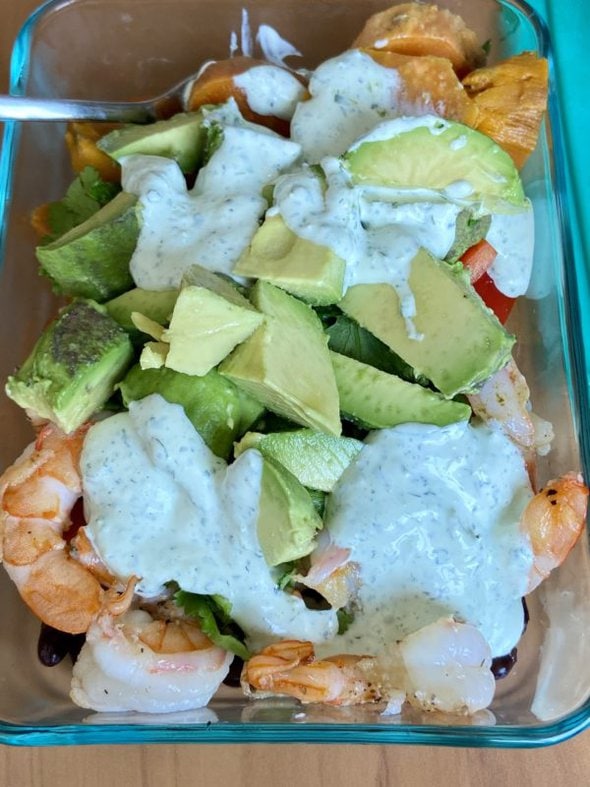
(This is in contrast to the time when I was going through my divorce and paying lawyer bills and trying to set up a new household...at that point, I was skating pretty close to being broke several times!)
Despite my current not-broke situation, I still prefer to live a life of lower consumption.
That's because it's a responsible thing to do and it also gives me more ability to be generous to others. If I see a need, I have enough wiggle room to easily help out, and that's partially due to my low-consumption lifestyle.
So, that's why I choose to:
- only own two sets of scrubs for work
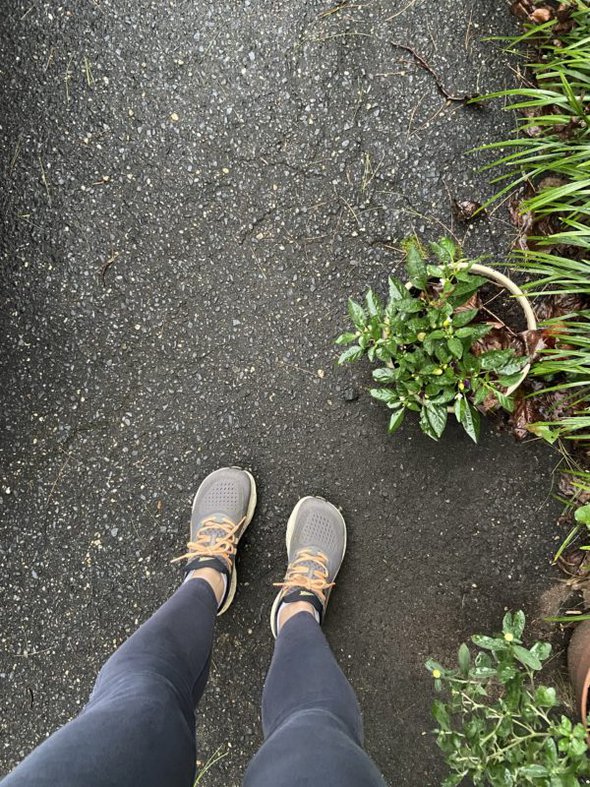
- buy my Altras on eBay
- continue to get things from my Buy Nothing group
- faithfully pack my meals for school and work
- cook most of my meals at home
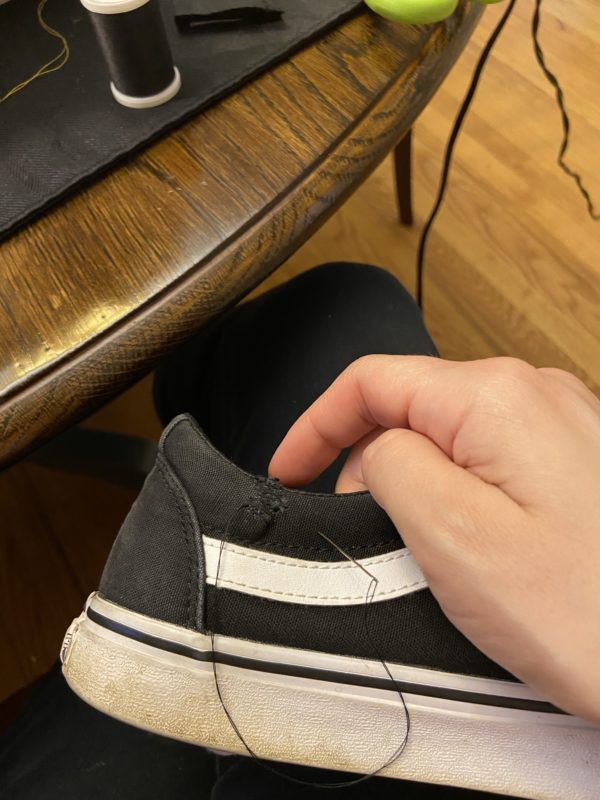
- repair/mend things whenever possible
There are lots of ways to save money and lower consumption without being stingy and selfish, and without taking advantage of others, and I think I will continue those sorts of practices no matter how much money I make!
To bring it back around to WilliamB's question, I look at paying full craft fair prices as sort of a way to be generous. Could I get a similar item cheaper at a store? Probably!
But at the craft fair, the money is mostly going straight to the maker. So paying the higher price feels like a generous and kind thing to do.

Kristen, I agree, I never haggle at art or craft shows. They rely on that income, for the most part. I know a few artists who appear to be wealthy, but I don't know their situation, I only know their persona, so I bet more than I know do need the money. Also, my mom was an artist, and originals should cost the effort, time, and creativity put into the items. I am at a more comfortable place in my life right now, but I still use digital coupons, stock up on loss leaders, take inventory of my freezer, and shop at thrift stores. I've been in a place where I sold on ebay and on FB Marketplace (still do, occasionally) just to make ends meet. A wealthy friend, who is very generous to the community, recently said "oh you and your selling things", and chuckled. She gives everything away when she doesn't want or need it. Another friend said "my mother told me to save the secondhand things for the poor". Who is to say what that cutoff "poor point" is?
I do all of these things so that I can build an emergency savings account, not have to go into so much debt. My goal now is to not be a burden to my children, to save enough so I can have the healthcare and comfort I will need in the next decade or so.
@MommaJo,
I do donate things rather than resell. This is mostly bc reselling is a hassle I don’t want to take on, but also bc I don’t need the money now.
I did resell when I was struggling. I remember selling my son’s old diapers in the library parking lot. I had set the price high so the buyer could haggle and feel like she had gotten a deal. After the transaction, my car wouldn’t start and I had to borrow her phone to call my husband as I couldn’t afford one at that point. I think she felt pretty bad, poor lady!
I do buy everything at charity thrifts, but they would much rather have my money for the charity they support than have me leave the inventory for poorer people. Both of the ones I frequent are overwhelmed with donations and give clothes away to the people they serve and also sell used clothes to anyone who wants to buy them. When I was actually struggling, I just didn’t buy things at all as much as possible.
@MommaJo,
I have resold for years. I primarily deal with art, vintage and antique items. I personally feel that it is not worth my time and energy to resell everything that I no longer want or need. Selling fees on sites such as eBay significantly reduce profitability from sales and hanging on to things indefinitely can create problems. Sometimes I would rather just share by donating to charity, giving to a friend or posting on buy Nothing.
@Bee, I agree, I post on Buy Nothing all the time. Right now, I sell mainly when I want to upgrade something purely because I like it, not because I need it. It helps me justify the purchase to myself. For example, I owned a beautiful side table, but it had a glass top. That glass top drove me crazy when the cats jumped on it and toppled it, but it was a really beautiful table, and years ago I'd bought it new. I bought a table that was more sturdy on FB marketplace, then sold the glass topped table for twice what I paid for the FB table. I was really pleased with myself because I didn't cut into my budget at all to buy the table. Purely psychological, I guess.
When I do sell on FB, I don't mind being haggled at all, I enjoy giving someone a deal, and it seems to make them happy.
I think if a sale is advertised, it's fair game for everyone at all wealth levels. I don't like haggling, and just pay the stated price. I will use cash at small businesses or craft displays, so the vendor won't have to pay a credit card fee.
However, the artist/vendor has agency, too, so they can refuse to haggle. It's a two-way street.
When I once attended a craft show, one of the vendors had a sign that addressed this very issue. I wish I could quote it by memory; I can't. But it said something to the effect that when shoppers buy arts and crafts from individuals, the shoppers are paying for more than just the unique handcrafted item; they are supporting (or helping to support) a person's artisan lifestyle and allowing the artist to be creative and make more beautiful items. The sign said it better than what I'm writing and I wish I could quote it word for word. But it gave me something to think about, which is why I remember the sentiment even after several years. (I think I attended the show prior to the pandemic....a lifetime ago, it seems.)
But ethically, we all should not try to rip off a person. Negotiations need to be "win-win" situations, not "I know you're desperate and that I've got you over a barrel so I'm going to put it to you price wise." Hopefully, the vendors won't try to rip off their customers, either, by jacking up the price too high. But if they do, shoppers can pass them by.
Yet, before you feel the price was not reasonable, consider the other side of the issue: While it's perfectly OK for people to haggle, it is not OK to cheat someone.
People often forget that the cost of raw materials is a lot higher than they may remember; thus, that afghan throw your great-aunt Matilda crocheted for you may have a hundred dollars' worth of yarn in it, not to mention all the time and effort it took her to make it. Ditto, the lady at the senior citizen holiday bazaar. So if you don't want to pay a large price for crocheted afghans at the arts and crafts fair, try to find a more reasonably priced one at a thrift store or estate sale. The same is true for other "crafty" items.
Perhaps you could do a little research and go to Wal-mart and see how much the fabric and yarn costs. Or go to a hobby store and see what they charge for paint, canvas, brushes, etc. That might give you a better insight about why the vendor is charging that price. (And remember, most of the time, they have to rent a booth, and that cuts in to their profit as well.)
If you drive up in a Mercedes and then try to low ball someone living paycheck to paycheck/unemployed/retired/has high medical bills -- a person who is trying to make ends meet, you are not going to be a beloved member of your community.
@Fru-gal Lisa, I use this phrase about my job - “It took me years to learn how to do this in an hour. You’re paying me for the years, not the hour.”
@Victoria, well put!
@Victoria,
Exactly.
I once did an ad campaign for a small business. When I told them the fee, the guy asked: Well, how about $100 for the headline.
Needless to say, I declined to work for that man. It reminded me of a saying from a famous hairdresser when asked how he could charge so much? I don't remember the exact words but it came down to something like it took years to master how to do X.
When you are in creative services and have individuals in charge of buying your services, most have NO idea what they are paying for. One headline, for example, can make or break a brand or a product for a company.
Today, it's even worse as so many people give creative services away for free because no one will pay. They say: Oh I'll get an influencer to do that and then throw them some products. (And let's be clear here. There are people who are calling themselves "influencers" and then there are those individuals that are basically serving as marketing, PR and merchandising experts for a company's products without being on an official payroll. Not everyone with a name/title provides the same level of service or following.
The amount of work needed to create a YouTube channel is more than people who don't know what it takes can imagine. My issue today is now there are many web sites (some with million dollar plus incomes and then some) who want you to pay monthly or annual fees for "special" content, which is really often not all that special. I and others have spent years following certain people on YouTube and elsewhere. Recently, the creator of one very successful and well known site decided to share what should have been shared with everyone online who has been following her for years to the point where she makes millions a year just for herself and not her staff, only on her paid substack. I was really and truly turned off as this was a simple piece of info that should have been on the web site (I'd say what it was but it would make her site very recognizable.)
I am truly tired of the majority of solicitations I get to pay extra for "special" content. I have no issue when a creator asks if you wish to be a patron of a web site that may or may not offer additional content. There are some people I'm happy to pay a sum for their work, usually folks who are not making a lot either from their web sites, which you can find out, or from ads. And I have no problem if creators make something from a product they legitimately like and mention or from ads on their pages. You can't expect people who are often working full time on a blog/vlog or YouTube channel to just give it away. No, that isn't OK. But I'm also not here to support someone's lifestyle especially when it's about spending on luxuries.
As for resale: Great if you can afford to give away, sometimes I do. Sometimes it's worth the hassle to resell. What irks me is why some folks think that they should just get everything for free? Especially folks who can well afford the price.
Interestingly, I've never witnessed someone with a tough financial situation begging for free stuff when something is for sale. And, yes, I would not charge someone who I knew needed something I was selling but could not afford it. Unfortunately, most people in tough financial situations don't want others to know how much they need things. I wish that charity/thrift shops could have some way to vet so stuff could be given away directly.
Here's what I mean by greed and entitlement: We received a notice from a local food bank imploring folks to only use it if you legitimately need it. Why? Because there were folks (known in neighborhood) who would come to the pantry and take stuff just because it was there. Not because they needed anything. In essence, the writer of the notice was saying: Please, when you do this, you are basically taking it away from those who need it.
I was truly taken aback when I heard about this but others told me they had seen their well-off neighbors taking from the food bank. To do that? Unconscionable. Beyond greedy and thoughtless.
I have a pantry that I keep in my home. I have an aide and I am always, always, saying: Hey, I bought extra. Please take some. (Whether food items or cleaning or other household products.) I know what she makes and she is woefully underpaid (through an agency) so I'm always trying to "Supplement" her income (I'll buy her lunch; let her get a treat of her choice when she's out shopping for me; give her stuff especially for her two kids.)
She's a hard worker and I wish I could afford to pay her on my own (I do save and giver her money for her birthday and the kids, and for Christmas and Thanksgiving. I save up for that.) I know rich folks who don't even offer their staff some free food to eat while they are working for them and often pay less than the going rate because they know some of the people they hire are desperate.
I know what it is like to not make enough to pay bills and yet not be able to avail yourself of social services to compensate . To me, you do whatever you can for others because that's what a community is about. In my experience, if you need something, ask the average Jo or Joe and they'll feed or clothe you in an instant. For sure, don't look for help from some (not all) well-off or rich folks. This is especially true of self-made folks who often act as if they made all this money from a product or service they offer on their own. Gee, so what if nobody was a client or bought your product? Without buyers, you are nothing. People and companies who respect the buyers and share the wealth always do better. I know tons of people who deliberately buy from companies with certain social help policies while deliberately NOT buying from others because of how they treat workers and/or their social policies. (Looking at you Chik-fil-a, for example.)
@Irena,
A lot of food for thought. Thank you. I agree about those who are in financial difficulties find it hard to speak up. On my local Buy Nothing group, there have been occasions when a member here or there has requested groceries to get the member (and usually member's kid(s)) through until next pay day. Usually, the person will say they "hate to ask" or are embarrassed to ask. Because we are a community, many people come forward and offer what they can, even if it's "I made too much soup/spaghetti/casserole/etc, I'd love to give you some" or something similar. It is the rare person who has never had a financial challenge crop up at one time of another.
As for selling things vs giving away things, I did sell some things on Marketplace several years ago, and it left such a bad taste in my mouth - people not showing up, people asking if I will deliver the item (no explanation that they're a shut in, or similar), people asking for a lower price, even though my prices were very low. Nope. I'm happy to give things away, but I also realize I am privileged to come from a place of overwhelming bounty. The time and effort that come with selling come at too high a price for me, but may be 100% okay with someone else.
@Victoria, most people will learn that when they try to do whatever it is on their own. I’ve been a dog groomer for going on 30 years. Occasionally I’ve had clients buy Walmart clippers and attempt the job themselves to save money. They always come back to me to fix it! And I’m happy to see them. By the way, my clippers cost over $200, and they are by no means the most expensive available. Plus shampoo, scissors, and on and on. And 30 years experience.
@SandyH,
Dog groomers like you are worth solid gold. We had a Golden Retriever for 8 years (adopted after my sister in law passed away), and we adored his groomers, who pampered him like he was their own. Worth every penny.
@Irena, Hate to disillusion you, but unless food banks vet people's financials, there will always be the greedy few who treat them like free grocery stores. And the sad thing is, you can't even shame these people into not doing it. They're not just greedy, they're arrogant as well. I know first hand as we volunteer at a food bank.
As for wealthy people who don't respect the workers they hire, we had a real eye opener this summer when we hired tree trimmers and landscapers. We always offer service people water and snacks. When my hubby took the treats out to the tree trimmers, they asked him how much it was and pulled out dollar bills! They said many of their clients charge them for water and were very grateful for the freebies. The landscapers later told us we were the nicest people they worked for all summer, even though our bigot of a neighbor came over and said nasty things to them. We apologized for his rude behavior and they waved it off saying they heard much worse. We were shocked by these incidents, but sadly civility is lacking in our society.
@SandyH, oh how i wish i could bring my buddy to you. our groomer really charges a ton as we are in manhattan. and they usually take him to the nubs because he is matted. i brush himalmost every day. but they are lelss than a block a way and it seems likee very dog in stuytown goes there.
@Liz B., thank you for the kind words. I love my groom dogs so much; they truly are like my own. This is a hard physical job, and I’m older now, so I’m cutting down on the big ones; but goldens were always my favorites ( and I have owned two myself)
@Anita Isaac, oh yes, I’ve heard about those NYC prices for grooming! I’m in a huge city myself and can charge more than a small town, but I haven’t raised my prices in a few years. I’m happy where they are.
@Victoria,
Love it!
@Victoria, there's a story about a welder who applied for a job paying $30-50/hr., submitting photos of his work. The hiring manager asked why so much variation in the quality of the applicant's work. He replied that the good work was for $50/hr, the lesser work for $30/hr.
@Bobi, The strongest indicator I have of how, um, casually people treat their contractors is the strongly positive response I get when I do something that I think is straightforward. The roofing team asked to work at my new house, because I made sure they had ice water when they replaced the roof at my old house during a hot summer.
It doesn't even need to cost a lot. When I moved, the movers expected lunch as part of their day but they treated me as a god when I put a $15 box of ice cream bars in the garage freezer for them.
It never crosses my mind to haggle. The price is the price. Either I want the item and buy it or I don’t regardless of whether I’m at a craft fair or supermarket. I actually didn’t realize until I read your post this morning that haggling was a possibility.
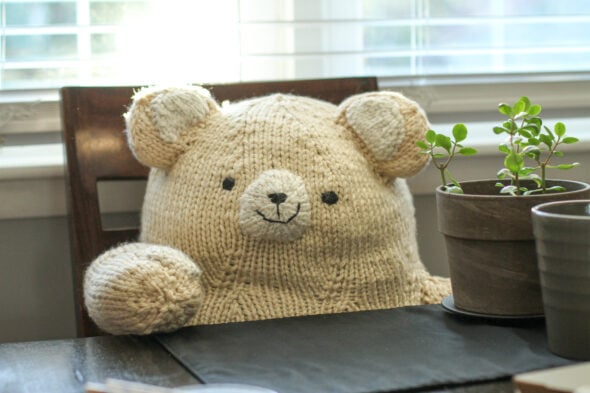
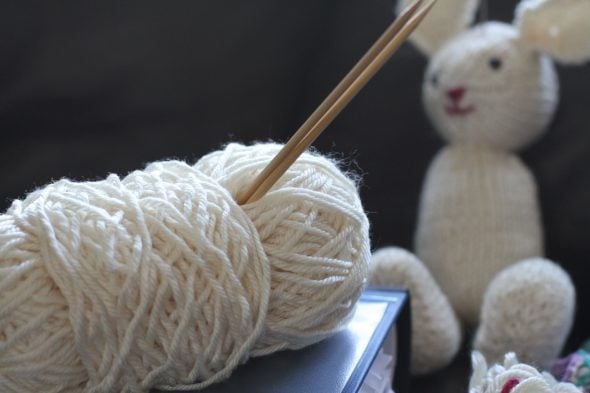
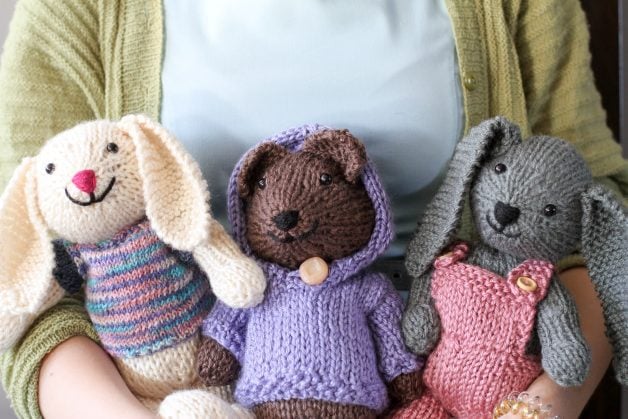
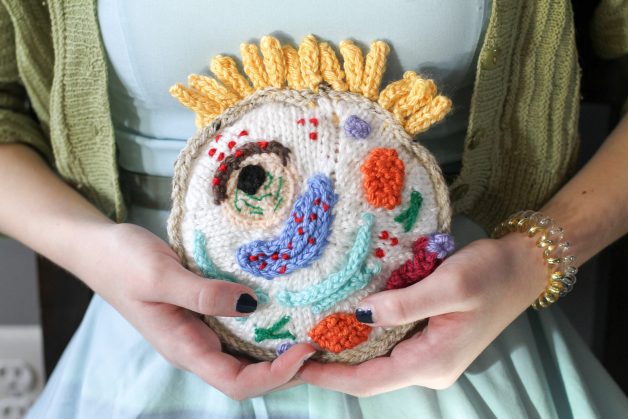
Great prompt! I agree with Kristen (and other commentors). But my main question is, does Lisey ever sell her fabulous knitted pieces?? I would for sure pay full price, they are amazing!!!
She has sold them sometimes in the past; if she ever has any more to list, I can let you guys know!
@Kristen, tell Sonia she has a large captive audience here for her amazing knitted creations. 😀
I will!
Sorry, Sonia and her knitted pieces (color me embarrassed)
I struggle with this when it comes to books, as I buy many second hand and the author doesn’t make money from that. I do also buy from shops or borrow from the library where the author gets paid. All thrift or charity stores or resellers could be seen as ‘stealing’ from the maker I guess.
I haggle in junk stores or antique fairs but not rudely. I haggle sometimes in larger stores like, “I’m buying a lot, can I get free delivery?”.
@Victoria, whatever you're buying in a thrift store, has already been purchased new. The author got their money the first time around.
@Victoria, Don't worry about secondhand books. As Tammy pointed out, the author has already received their royalties from the first purchase; just as they receive royalties from a library purchasing their book but then loaning it out to many readers.
@Victoria, I can't speak for all authors, just myself, but it doesn't upset me to learn someone bought one of my books from a thrift store. I've heard from a surprising number of readers who did just that and then went on to buy more of the series at a bookstore. Anything that encourages reading is good as far as I'm concerned.
I feel the same way you do: someone has devoted a lot of time into making that special craft and I would not haggle with them. They take a lot of pride in what they do and set the price according to the time and supplies it takes for them to make it.
And at the supermarket, if there is a limit on a loss leader that I want, I certainly will buy all of them. Two weeks ago, butter was on sale for $2.49/lb, limit of 5. I still have 4 left after the holiday. I did not feel guilty in buying 5 as there was a ton of butter and no one was going to feel hurt.
But as for used items that I am buying, I will definitely haggle. And it is OK if the other person does not want to haggle with the price. They will explain why 9 times out of 10. And I am always nice about it. Sometimes it is hard to part with an item that has been sitting around for a while as it has sentimental value to the person, but in the end, if you are nice, they will move their price a bit and both will feel better.
I don't think anyone, including a not-rich person, should haggle at a craft fair (dare I say, most items at a craft fair are not "needs"). If you don't like the price, or can't afford the item, then move on. It has never occurred to me to ask for a lower price on something at a craft fair. I've seen plenty of things I wanted but passed on because of the price.
@Tammy, I agree, and I was going to point out the fact that craft fair items are generally not “necessities”. You attend these fairs with the thought that you might buy something you like, and to me, the price is the price.
Crafters really don’t get paid for their time. It’s a shame. I understand them wanting to price things very high; they have a lot invested in their items. But they really can only charge what the market will bear. I have a good friend who, years ago, when painted t shirts were popular, rented booth space at craft shows. Her shirts were great but she priced so high that no one bought them. It blew my mind that she would rather take them all back home at the end of the day, when she could’ve at least made SOMETHING. But she refused to lower her prices.
@SandyH, Oh, I remember when painted t-shirts were popular. Funny how trends come and go!
Also, as a crafter who doesn't usually sell items, I know that most things that are made take a lot more time than non-crafters realize. Also, add in the cost of materials, and then advertising, booth rentals, etc. and you begin to see how little the crafter is actually making.
@Tammy,
A former boss/acquaintance of mine was an artist, and had art she created for herself and maybe close friends (which she never showed me), and arts/crafts she sold at local craft fairs. One time, she was complaining that she had had few sales at a recent craft fair, and I suggested - politely - that maybe her prices were too high?. (Keep in mind, I was in my 20s and truly didn't know any better). We had many conversations about what it took for her to create her pieces to sell, all of which were not apparent just by looking at the objects in question. I learned a lot from those conversations, to be honest, and now look at artist's wares through a different lens, so to speak.
@Liz B.,
And no, I would never haggle at an art/craft fair.
Craft and Art Fairs are not the place to haggle. The artist has taken the time to create a lot of things to sell and if they are in the business and create larger art then you can haggle. For example, I have a friend who creates watercolor and acrylic mini canvases and sells them at several fairs during the year. She also paints larger pieces and consignments. She has set prices but say there is room for wiggle. One client asked for a grouping of 4 pictures that all went together and she was actaully willing to pay more. In the past she has also gotten stuck with a couple of consignments and sold them at a discount. She says that she will not go lower in fair prices because they are already marginally low.
Kristen said "I were at a craft fair as a wealthy person, I’d feel fairly certain the person selling their wares had less money than I do"
Because you are kind, Kristen, I think you are assuming a level of self-awareness and empathy that a lot of people, wealthy or not, just don't have. Maybe the self-selected group of folks that attend craft fairs (or read this blog) are more aware of how much work creating a table full of even simple crafts can be, and wouldn't try to bargain a few dollars off of their sand candle or beaded key holder. There are probably many people that would.
I don't bargain - I admit, I don't have to, and that type of interaction just feels like a tremendous drain of energy to me. I also don't buy a lot of stuff - craft fairs or otherwise. I can't take credit for the personality I was born with - I just don't desire much more than a roof over my head, clothing and food. As I'm getting older, I'm trying to disperse most of the stuff I do have to the rest of the universe.
I love this question, but I don't think it's an income or wealth matter. I think it is a good idea to try to save money, no matter your income or wealth level. It's just a part of adulting to check all options before handing over hard-earned dollars. I also think it is NEVER appropriate to disrespect the person whose products or services I am considering acquiring. I do NOT like to haggle or negotiate prices - ever and it's because most negotiations of this type have an underlying attitude of hatefulness and distrust. I still have some emotional scars from weeks of haggling with car salesmen for a good used car after I got my first job out of college in the early 1980's. It was a torturous battle fighting the then prevalent attitude that young single women are stupid about cars and thus easy targets.
That said, I have on occasion asked a seller "Would you consider taking...?" and giving my bottom-line price. It is never easy and I only do it if I really want the item and truly think it is overpriced. I have also at times paid more than I consider an item worth to support a person or organization that has values I am in alignment with - such as craftsmen/women and artists.
@Book Club Elaine, even today in 2024 women are still treated differently (don't know anything about cars) at (in person) auto dealerships.
@Regina, and I can tell you the dealerships I've dealt with rarely deal with a woman buyer, particularly with one whose better half is there only to drive the not-traded-in-vehicle home. The salesman was a bit flummoxed when my "wants" in a vehicle were basic (rear defogger, intermittent wipers, power windows, AM/FM radio). Color doesn't matter much to me (better half has a couple of colors he doesn't like but the salesman didn't need to know that). I did the negotiating, cash out the door price. I know enough about the inner workings of a vehicle but we have a trusty mechanic.
I loved the financial advisor we had - he and I had a good time discussing money. He even learned one new thing from me (probably because I was a working person and a good number of his clients had inherited wealth). He never dismissed me for "just a woman". He was even kind enough to tell the firm that purchased his business about me. While I don't think they would try to push me into investments that are not good for me, I did push back when they changed their broker/dealer. Wasn't going to pay to roll money into an instrument so I could roll it into cash. So it remains with the other company.
I've gotten off track but my folks didn't raise me to be a pushover because I'm female. Despite my parents having the "trad life", they realized times had changed for my sibling and I.
I only try to bargain when I know there is high mark up: furniture stores, car dealerships and hotels. ( not mom and pop inns).
Other than that, I just prepare and plan accordingly.
Disclaimer. I do not feel comfortable with the actual haggling. My husband does it with pretty good success in those areas.
@Stephanie, I'm with you on which businesses to haggle with. (And I'm also with you on my discomfort with the actual haggling, though I am forcing myself to get better at it, since DH is no longer here to do it for me.)
Also, like most of the rest of you, I wouldn't dream of haggling at a craft fair for the reasons you've mentioned. And my local thrift shops have a no-haggling policy--although if I find an item without a price tag and if I know the cashier on duty, I can usually persuade the cashier to quote me a reasonable price. They'd usually rather do that than go to the trouble of throwing the item back into the pool to be tagged.
Finally, I'm sorry I'm late to the party today, but papers for JASNA's electronic journal are coming in faster than I can keep up with them. I feel like Mickey Mouse in the old Disney version of The Sorcerer's Apprentice (part of Disney's 1940 Fantasia film).
I know a person who made greeting cards, and they were nice. She paid for the equipment, card stock, ribbon, cellophane wrappers for the cards, and rental for the booth at a craft fair, plus, there was her time in making them. She marked the cards at $1.50 and $2 each to ease her way into selling. Someone told her that her cards were "too expensive" and should be selling for 50 cents each. She eventually quit selling altogether.
I don't haggle with independent sellers/crafters.
@JD, it's sad that artists can't compete with cheap imports. I found the same thing as your friend when trying to sell hand sewn gift bags. People didn't believe that the materials cost more than what they were willing to pay. So I gave them as gifts, which was very rewarding but wouldn't have helped me pay the bills.
Oh my goodness, $1.50/$2 is way too cheap for that already!
@Book Club Elaine, I have accumulated supplies mostly from yard sales to do one huge craft sale booth some holiday (once again, not this year). I would enjoy making things such as gift bags, and I do not need to charge much, as I don't need the income. My time would be while-watching-TV-time.
How would I affect the other craft sellers because I could undercut their prices so much? Do I have a responsibility to not be too cheap?
I realize this is another variation on the question. What do artists owe each other?
@JD,
$2 for a handmade card? Wow. A bargain. You get commercial junk in stores for that price, if anything is even available.
Depending on where she lives, should have asked for more. And people who judge what something should sell for but know nothing about costs to make? Ugh.
If I like something from an artisan/craftsperson/artist, I'd rather pay what is asked. Sometimes I'd like to offer more, and have done so because I felt someone was underpricing an item.
@Heidi Louise, maybe consider doing a craft show earlier in the season (Summer/October/November) when not many craft shows yet. That way you won't feel guilty about under pricing similar vendors & can always say "it's older stock trying to get rid of."
@Regina, True-- If it is off-season, it would probably be priced lower.
I want the pleasure of making things, do not want to burden family or friends with them if they don't like them, and would like other people to enjoy them.
Also, re: above: $2 for a handmade card is quite inexpensive.
@JD,
At that price, I'd buy up a bunch of those handmade cards!
I tend to feel similarly--though these days, at craft fairs there are a lot of people selling stuff they bought on Ali Express and Temu but posing it as handmade, which really bothers me. I also really don't enjoy bargaining 🙂
If I'm buying from the person who made the object, I think that the higher cost represents the "real" cost--i.e. what the item costs when the person making it is being paid a living wage, and it's being made in a country with proper labour laws, and they don't benefit from an economy of scale the way a mass-producer does. Either I can afford that, or not.
There also isn't an expectation of bargaining here. In some other countries' markets, haggling is expected and the price in artificially increased to accommodate for that.
I would never haggle at a craft or art fair; I know the price of materials (like yarn or paint) and the time it takes to craft just one unique item. I also don't haggle at yard or garage sales. My reasoning is this: I don't know if the person holding the sale is doing it because they really need the money or not. So whether I think the book or cutting board should be lower-priced, they've priced it at a point that they need it to be, so I'm not going to second-guess them or assume they're trying to gouge people at their yard sale. The point of buying secondhand, for me, would to be avoid having new items being made and reduce waste. Not necessarily getting the absolute lowest price I can get.
DH has gotten raises over the past years, and so our income has gone up, but we routinely look for ways to save money. I remember reading in The Tightwad Gazette an article where Amy discussed the way the characters on "Roseanne" dealt with a financial windfall. She made the point that frugality is a practice, and if you stay in practice when times are good you'll be able to ride out potential lean times without feeling the pinch. With DH working for the government, we don't really know what each election cycle will hold, so even when he's gotten raises we keep our spending low as we can without compromising our values (like quality food, trying to buy from local or at least American producers), so that if things get bad, this will be the norm and not a hardship. So even if we were ever at a point where we didn't have to "worry" about money, I think we'd keep this up, because it also serves my desire to be more minimalistic.
I’ve offered less than asking price on a house and it’s been accepted or countered. I’ve also offered less for an item at a garage sale before. That’s about it. Not much of a horse trader. Since in some settings it’s accepted to negotiate prices I don’t see an ethical or moral issue when the seller isn’t forced into anything they just say yes or no. You can’t claim imminent domain on someone’s pillow case or pot holder. Haggling’s an ancient tradition and being offended by it seems kinda privileged and judgmental. Sam Walton, a billionaire, often had people buy him coffee or lunch at the local diner because they thought he was a homeless bum. When people would find out who he was some were offended and some just laughed but they all liked to tell the story.
@Tiana, Houses are a whole different beast! The real estate market is rigged, IMO. But you raise a good point, that in some cultures it is considered rude to NOT haggle.
@Tiana, what a funny story about Sam Walton!
@Book Club Elaine, I once told him I bought cookies cheaper down the street. He told the guys following him around to drop the price so his were cheaper and it was done.
Whenever I ask myself, “Is this inappropriate?”…it is.
We negotiate for cars and houses, but that is about it. I don't feel bad about using coupons or buying products on sale, even though I wouldn't have to. As you called out, I think it is more important to focus on being a good steward of our resources so we can be generous and not wasteful. I would like to do more of those things actually, but with a 4.5yo, a 1.5yo, and a baby on the way, plus both of us working full time, I have to accept my limits. Especially since we can afford it without burden.
I make supporting small batch artisans a priority. It is a form of charity that is actually the most economically in terms of outreach. It fosters and encourages creativity and self reliance which in turn helps mental health. It reduces waste. it develops initiative and grows community. Win, win, win. Small businesses in older downtown neighborhoods help grow diversity as well.
This theorem works both internationally and locally. Buying a peanut grinding machine for a village has lifted up an entire small village. Donating old clothes does not. Research the Great Green Wall project in Africa. Amazing. The environment is helped, drought is reduce, jobs are created, gender equality is promoted.
So yeah. I am in.
Let me preface this with 1) I'm an uncomfortable haggler/negotiator & avoid it always and 2) I've never been to a craft fair. So, I definitely wouldn't haggle at a craft fair, given it's an individual. I take advantage of sale prices the store, etc. They are the posted prices for everyone. Outside of houses & cars, which I think there is some expectation that most people negotiate, it's not something I'm personally comfortable with.
This is an interesting subject. It’s important to treat others fairly when doing business, and I expect to be treated fairly too. This is true regardless of one’s income level or where they are in life.
I think it is appropriate to expect to pay a fair market price on cars and real estate. In most cases, comparable prices for these items are readily available online and provide the buyer with a little leverage if the price is too high. Negotiation is traditionally part of the buying process. But with just about everything else, things become blurry.
I have asked for the sale price or price adjustment when shopping at a retail store. I have also asked for pricing consideration from service providers such as AT&T.
I would never ask for a discount from crafters or artists but not because I feel that these individuals need the money. I feel that asking for a price reduction is discounting the talent, creativity, and ability of the individual.
With second-hand, vintage, and antique items things are even blurrier.
I have bought and sold antiques as well as liquidated estates as a side hustle and a retirement job for many years. Bargaining is intrinsic part of the business. However, I believe in “junking karma,” so this is a complicated answer.
When purchasing an item at a thrift store that benefits charity, I look at my purchase as a donation and will not ask for a discount. On the other hand, I will not overpay for an item. I have been in stores that are asking more than retail for a very used item. I will simply walk away.
When buying from an individual or dealer, I do not ask for a discount if the price is fair. If I am buying for myself and the price is higher than market, I will ask politely or offer a fair market price. However, when buying for resale, things get very complicated. I will not attempt to chew someone down just to increase my margin. If someone really doesn’t know what they have, I will tell them if I know. I try not take advantage of their lack of knowledge.
@Bee, what is "junking karma?"
@Regina,
Junking karma is much like life karma. If you are honest and fair as a buyer or seller, you will be met by others who are honest and fair. If you pass on your good fortune, others will pass on good fortune to you. If you share your knowledge, others will share their knowledge with you. However, if you are ruthless and dishonest, you will cheated by others.
Attempting to get a discount revolves around the (buyer’s perceived) value of the item, not the bank account of the person buying it. I don’t haggle (I just don’t buy), but I object to the notion that “rich people” shouldn’t haggle, because they could easily pay for their purchase. That’s absurd. Having said that, there are places where one just does not haggle, and a craft fair is one of them.
If I were still teaching science, I would pay whatever Sonia asked for that knit cell! It's magnificent!!
I was so impressed with her work!
WilliamB, that's a great question! Overall, I think it can be appropriate at any level of income or wealth to try to save money as long as the goal is not to take unfair advantage of someone. Specific to your example, though, I don't think it's appropriate to bargain at all at a craft fair, no matter what the buyer's financial situation is. The artisan's price reflects their talent, time and materials, and it's important to support them. In other situations where services and items are for sale, it may be more appropriate to bargain.
@MB in MN, completely agree, but have asked if can get discount when buying multiple big pieces (never stating specific amount). If seller says yes & gives amount I always thank them, if not I usually still purchase & thank them.
@Regina, but this is usually only with people I have purchased from multiple times before & if they have commented on cheaper price previously.
I remember as a kid when I would babysit some adults would try to negotiate a bargain. Looking back that seems pretty rotten to do to a 13-year-old. I always try to overpay babysitters, cleaners, and other people in low-income jobs now.
Circle the bases, Kristen, another home run!!
My show hanging at a gallery right now has a pencil portrait of a very photogenic guy. My pencil pieces are marked at $400-$450, but I marked the portrait at $250 in case a family member wanted it. His mom, whom I've never met, called to ask if I'd take less money. I gently asked her if she had seen the other pencil prices, and then told her, no, the portrait was already at a greatly reduced price. I didn't feel bad except that pricing is ALWAYS a struggle for an artist. So many people say, "You have GOT TO raise your prices", and then I think of all the times I encounter folks like the photogenic guy's mom.
As an artist, I HATE it when people ask me to accept less money.
In addition, people always ask artists to donate to their good causes, and then ignorantly say it's "good exposure" or that we can "write it off". All we can write off is the cost of the materials, and frankly, I could have died of exposure in my early years.
So, I don't haggle unless it is a yard sale, and even then I am exceedingly uncomfortable.
Wait, I DO offer less when shopping on eBay. It is the comfort of being anonymous that allows me to try it.
@Central Calif. Artist Jana,
"Died of exposure" had me laughing. I work at a small business, and my husband worked with one for 12 years, and that "It's good exposure" line always came out when someone was asking for donations, freebies or very, very reduced prices. You are so right - one "can die" from that kind of exposure!
I just had to tell a group that my bosses were not going to automatically pay $650 per year to be featured in a very local annual calendar. It was a good cause, yes, but there are many good causes, and my bosses could go broke if they gave to all of them like that. Not once have we earned new business from any donations we've made here - my bosses make them because they think the cause is good, and that's the only reason.
@JD, one bad year I actually donated more than I sold. I began researching and asking other artists and came up with a policy. No one has ever accepted my very fair terms for their annual begathons. I've gotten more comfortable saying (always with a smile), "I don't give my work away." Of course I do give it to a handful of places that I choose to support, just like your bosses.
I think the issue here goes beyond whether someone is wealthy, well off, comfortable, etc. (and the definitions vary greatly by individuals based on their life expenses. I know people who make six figures and are still almost broke because of their lifestyle choices.)
It's about who is selling: An individual who actually made/created a product or service (NEVER do I bargain, ever, if I feel that, say, a service provided by an individual is fair market value. Thinking here of individuals who are plumbers, repairman, etc who provide a service but are their own business, not part of a corporation. I get an idea of what rates are being charged and the experience of the individuals, particularly with a task I want done.
I am especially sensitive to "bargaining" or whatever you want to call it as I have spent my life providing creative services to individuals, small businesses and large corporations including Fortune 50 companies, who can well afford the going rate (which is what I always charged and only waivered when the details of a contract were exceeded in much the same way a building contractor's numbers change when you keep changing the specs.)
I have had reps of multi-billion dollar companies tried to nickel and dime me along the way when I knew they had the budget and that my prices were in line with the market of my competitors. I have had individuals who wanted services tried to knock down my prices simply because it wasn't in their budget. (I then tried to say, well, this is what I can do for that budget.)
On the other side, I have hired individuals, small business and people at larger firms to provide services and products to our clients over the years. I never ever tried to use bargaining tactics. To me you insult people by saying the equivalent of "I don't think your product or service is worth that. " Which, by the way some stupid people say.
I give the example of a client who wanted a very well-known photographer to do a shoot for a new product. Now, the rep for the photographer quoted the fee. Instead of saying, as my boss was about too, "That's too high." I stopped her and said: Here is our budget. Is there anything we can do on that amount? Consider that this photograph will be sent out to the top beauty editors at major media and even though X does not need the publicity, we would like to give her credit in the release and in promotions on the road.
The rep came back and said she could do a half day on a set that was already set up with lighting/etc. if we hired someone to help with props (and supplied the props, backdrops, etc) on our dime. It was a great deal and offered in part because we had not insulted the photographer (something the rep told me on the side because she knew my boss and knew she would have said "That's too much" which is insulting the service/product provider."
We don't live in a culture where you bargain as you do in other countries around the world, where basically the numbers given are higher and you are expected to bargain down. That said, if you politely inquire if there is some way to get an additional discount, product, etc for the same money....depending on the item or service and time of year, the inventory a store, etc. may have, you can often get a further discount (Buy one of this as well as the original item and we'll give you X% off in addition.)
The key to me is wanting to get fair value, whether I'm rolling in money or always counting my money. My experience is that rich people feel entitled to discounts and this can really really set off the average working person. Heck, it sets off real estate salespeople who are often quite wealthy themselves. It's one thing to get a deal or a bargain, it's another to be greedy and just expect that whatever number you are given is negotiable.
Two ways I approach higher priced services, products: Is this price negotiable? And if so, what can I do to make it happen? (Example: Real estate: Increase speed of purchase; pay cash; skip an inspection, whatever.)
The other is just saying, honestly, this is my budget. What can we do with this amount?
Sometimes you can also ask if you can pay in installments (as is shown online now for all kinds of things).
The key is always being polite and never saying anything that would make someone feel as if you are saying "Your product or service is not worth that much."
Because it's all relative. And it's not about your income level. Everyone wants fair market value and it is true that some companies/people do try to up prices when they know someone is wealthy/well off/rich and that's not right either.
Ask yourself: If you were selling/providing a product or service that you created/made/provide, how would you like to be asked about possible pricing alternatives?
@Irena, great advice on saying "this is my budget, what can you do?" That also gives them a chance to inform you on what exactly you will be getting, instead of assuming what you will be getting.
@Irena, I love the "this is my budget, what can you do" method!
I'm with you, Kristen. I'll take advantage of sales at stores and big businesses. Craft fares or things like that I don't haggle. If I'm canning, I may call ahead and see if a farm has a box of whatever I need for a deal, tge caveat being that it's usually their unpretty stuff anyway.
So many great thoughts.
First of all: win/win is always the winner. A price needs to be fair for seller and buyer, and then they will happily trade again.
Having said that, I am mustering courage to ask a garage to give us something extra on a car we will buy new and pay for the same day (no loans). Given the value of the car and the fact that our kid will take over the old one, to be serviced by the garage, I think it is fair to ask if they can do something extra for us.
Then on art: a late relative was an artist and would accept monthly interest-free payments if he felt someone was really into his paintings, but could not afford the full price immediately. And if he trusted them ofcourse. But he would not give works of art away for free. He had once given a painting to a sibling who used the frame to pin postcards on. He said: if people are willing to pay for the paintings, they will value them more and look after them better.
@JNL, I think I'm going to put "win/win is always the winner" up on a wall somewhere!
I'm all for buying discounted items at the grocery store or a department store like Kohls.
I will even negotiate with a contractor doing work on my house. Some are willing to take cash and give a discount. Probably not ethical for them but hey, that is their problem and if they WANT to do it then that's ok with me.
I don't buy arts and crafts. I have no room for those items. I was even taking craft classes - some free at the library - but I stopped.
I've always been about saving money first to live then as things got a little better it was for experiences. Sending my kids to a week of sleep over camp. Going on a frugally planned vacation. Things I don't care about are bedroom sets. I'm using my sister's 47 year old groovy 70's bedroom set.
My husband and I are also very generous with donating. We make donations to our favorite charities - one being the Christian camp the kids went to - at year end and I buy bargains at Walgreens or the grocery store for the local food pantry.
@auntiali, given that corporations and the rich don't pay their fair share, far be it from me to "police" a small/sole proprietor to whom I pay cash. Same goes for tips - we always tip in cash. By law, x% gets reported by the employer. I know there are employers who stiff their waitstaff (they fail to remember karma is a bitch with impeccable timing). If it is a first time place, various bill sizes. Know place, we can tip in larger bills.
I agree with your haggle/no haggle and that I'd add I pay cash at small/sole proprietor businesses.
The few times I've participated in a garage sale, I price to sell (stuff out of house). The person who wants to haggle on a $.25 item is wasting his/her breath and time. A sleeper sofa on the last afternoon of the sale - whoever made a good faith haggle would (and did) get the couch. Certainly didn't want to haul it home.
There's a huge difference between being frugal and cheap. Living below ones means is a good life choice. Look at all the Wall Street/bankers who lost their jobs during the 2008 meltdown. Not only did it hit them but others lost their jobs like house cleaners. And I do remember the influx of frugal blogs by (majority) of wives/partners. I'd love to know how many dropped their frugal habits when the money started rolling in again.
This is not in regards to the question --- just want to say that knitted cell is one of the coolest things I've ever seen! What a talent Sophia is!
So many interesting comments! This is a subject near and dear to my heart as I make and sell handmade items regularly. I make things out of goods that would otherwise be incinerated or landfilled, which is a huge issue for my island. My products are almost always bought as gifts, which I love - I see my work as being a tiny part of building the ties that hold my community together.
I am one of the crafters who does not “need” the money, but I charge what I see as fair prices for several reasons. Anyone who tries to haggle with me, unless I specifically ask them what they think about the price, will be politely declined. We might have a talk about how long it takes me to make something or about how I’ve honed my craft over the years, but because I am in a position to decline to haggle, I think it is especially important not to. If I do, then I am using my main income to artificially lower the prices that others depend on. People deserve the dignity of being paid for their labor, and buyers deserve to understand that they are getting something valuable.
Waves hi! I'm the owner of the handmade cell! It's so cool, and I'm glad I paid full price for it (and it was still a bargain for a one-of-a-kind!)
@April, I'm waving back with a bit of jealousy.
I almost never ask for a discount but would never do it to a craftsman or artist. A couple of my neighbors have hosted yardsales at their homes as fundraisers, and I gave them a donation on top of what I paid for goods. It costs very little to be kind and helpful.
The only time in recent years I have asked for something special was asking Goodwill if they would sell me just the flat sheet in an incomplete sheet set. Did not ask for a discount: just did not need the other sheet.
i agree with you. you are wise beyond your years. i love to open my inbox and see your post there. thanks so much. you never disappoint me.
Aww, Anita, you are always so sweet and encouraging. <3
I’m retired and spent a lifetime of being frugal as we went to school,paid off loans, and then got good jobs and made decent income.But old habits die hard.I have never been an extravagant person and I found I still did not want to miss out on bargains or fair pricing, even after I had a good job and some extra. I also enjoy the thill of the hunt at consignment stores, and the idea of recycling not adding to land fills. And, I try NOT to cultivate higher priced tastes!!
Even though I can “afford”brand new Brooks sneakers, I can always find them almost new or actually new, for less than half price on ebay.Why wouldn’t I?? Due to foot issues I have to wear really good shoes and Vionics and Brooks cost a fortune! So I get them on ebay.
A friend (now just an acquaintance) called me some ugly names during the time I complained about high gas prices we were in Arizona a few years back.She said. due to my income, I should also be driving a prius, not a “suburban mom SUV!!!!” (We drive off road often and into mountainous areas in the North of Arizona and elsewhere. Even people with “enough” do not want to be gouged!!!!
Like youI would pay full price to any artisan that had an item I wanted to own.I value individuality, uniqueness, and the personal touch and energy that an artisan puts into their work.THAT’S spending money in a good way in my book.
In retirement, y frugal ways are again serving us well as we contemplate needing to live off retirement income for many yers ahead (hopefully..).. it ‘s easy to plan meals,eat at home, and save our funds for trips we really want to take, or for a few indulgences like a massage once in a while.
I think frugality is a mind set.It doesn’t dry up !!
I love Sonia's knitted cell. Does she have a pattern for it?
Great topic. But let's not confuse too many issues. In the third world where I grew up, haggling is still a social thing with an expectation that both parties will be happy in the end with the agreed upon price. No hard feelings. If the seller reaches his or her limit and won't go lower, or the buyer doesn't want to pay the price in discussion, the buyer moves on or the seller ends the conversation. In the marketplace, shoppers who are notoriously stingy, mean, or hard nosed are recognized, and sometimes find themselves unable to shop at certain stalls. The seller knows they are mean, cheap, and rude, and won't deal with them. Ideally, there is a friendly back and forth. The transaction ends with both parties happy.
We cannot always know a shopper's wealth; many people do not display their incomes on their backs (or in their handbags). So a shopper who pushes to haggle may or may not be seeking unfair advantage; it is up to the seller to draw the line, or to negotiate a new price. No seller is required to sell for a price below the cost of making an item, but he or she might want to, so as not to take it home, or for any other reason. I love arts and crafts fairs and they are often fund raisers for good causes, so I assume the prices marked include a donation to the cause. It might be in the form of a booth rental, or some other contribution.
Most of us who participate here are interested in a frugal life, as Kristen does such a good job of discussing and thinking about. Does it mean we are to push every fluid situation to the very bottom to make our dollars sing high C? No. The question posed here sounds to me like what to think of an evidently wealthy shopper who does. Seems rude, and unfair to crafts makers, but the seller is free to disengage. I had a close friend who was a master weaver and textile artist, and I assisted her at a special juried fair one year. It was ignorance that prompted some shoppers to try to reduce her prices. They did not know the difference between fine yarns and cheesy ones, or between excellent weaving and finishing, and poor. The shoppers who did know were happy to pay for outstanding work, and enjoy them for many years. The ones who thought they could do this work at home had another think coming; I hope they did try and discover that it is much harder than they thought.
I recommend the way of my childhood market. If it makes you happy, and you can agree on a price, pay it, and enjoy your purchase. If you cannot agree, look elsewhere, and try not to second guess or make assumptions about either buyer or seller. There is a lot of stuff at crafts fairs that is badly made, so I am not swayed by romantic views of "hand made." If I really like something that will perfectly serve my purpose for it, and I can afford it, I will buy it and be happy, and hope the seller is happy too. End of transaction. I also recommend my friend's strategy for pricing some things that she put many hours into. She used lovely silk and linen yarns to make marvelously colored shawls, scarves, and other items. If she kind of wanted to keep something she would price it very high, which she figured would require the buyer to love it as much as she did. She was pleased with this strategy but made a lot of unexpected money when a happy shopper bought ALL of her favorites! A win-win conclusion, don't you think?
@Kristina, yes, the win-win conclusion was indeed very happy.
Before reading anyone else's comments, I'm going to give my answer.
I assess my answer along two axes:
1) Is the benefit from a finite or infinite pool and
2) How big/corporate/indie is the provider;
3) With a strong dash of not being taken advantage of.
1) How Big is the Benefit Pool?
If it's a regularly-offered discount, I'll take it every time. However, if there's only so many to go around, then I'll usually not take it. So I'll take a store's standard discount, but I don't take care-giver support funds from my county because I can manage without it while there are others for whom it makes all the difference.
2) How Big is the Provider?
I'll take a Home Depot discount every time, and negotiate for a better deal. An independent artist at a local Christmas Market? Probably not.
3) Am I Being Taken Advantage of?
There are purchases for which negotiating is the norm, even in the US. Houses and cars are top of the list, but also others such as major appliances and mattresses. There other circumstances as well, particularly when traveling in the Third World. For example, when I was in Vietnam, locals paid $.50 for a loaf of bread. The seller tried to charge me U.S. $3, I negotiated to $1.50. But when I tried to pay with a $5, she wouldn't give me change. Note: I was able to retrieve my $5 and give her exact change - but she wasn't going to give me change no matter what.
@WilliamB,
I really like your thought process.
I've done craft fairs before...and you're right. The maker is trying to establish a price that the buyer jumps at. There's not usually a lot of room to bargain.
I don't have a problem bargaining on FB Marketplace, though. And I'm sure some people are selling on there because they HAVE to. If I think the price is more than fair, I'll offer slightly under the seller's price. At that point, it's just a game. But I have paid full price before, too.
P.S. I don't need to be as careful as I did years ago. But I'll still look for the best prices and use discounts and bargaining until I stop breathing. It's a Hollander's natural course! Then you call your children up (it used to be my mom) and brag about your bargains. Then they cry that they're "poor and needy" and need some of the money you saved. Have been doing this for decades!