
Miscellany | another gathering!
See the end of the post for gathering information. 🙂
I'm not worried about AI taking my blogging job
I was thinking the other day about blogs that are largely informational, such as travel blogs.
You know, the type that list the top ten attractions in Honolulu, or the best hikes in Arizona. These kinds of blogs largely depend on search traffic....random people typing in search terms on Google and then landing on the blog.
If I wrote one of those blogs, I would be feeling nervous because AI can write a pretty decent informational post.
But mercifully, not a lot of my traffic comes from Google searches! A very, very high percentage of my traffic just comes from you guys typing in my blog address and visiting here every day.
Also, the kind of blogging I do is very individualized; I have a hard time imagining AI could produce content that reflects my personality or that tells the story of a life like mine does.
So. I'm not losing sleep over this. 🙂
About motivation
My hospital work has gotten me thinking about motivation. It is interesting to see the variations in people's levels of health motivation. Some people are raring to go after surgery, ready to work with PT, ready to push through, anxious to get to rehab and regain independence.
And some people are just the opposite.
I know I'm still new in the field:
...but even I can look at a motivated patient and feel pretty sure that a speedy recovery is in their future. The motivation and associated effort make such a huge difference.
This is an interesting thing to ponder because as healthcare workers, we can only do so much to help a patient. We can offer treatment, education, assistance, and resources, but if we could also give a pill of motivation, it would make such a difference.
I wish recipes came with samples
I have thought so many times that I would love it if there was technology that gave you a little sample bite of a recipe before you try making it.
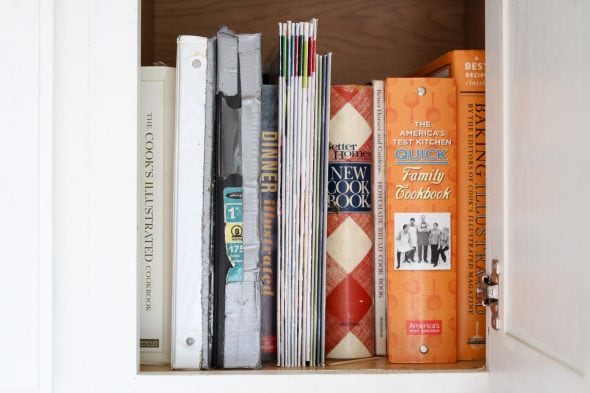
Somebody needs to invent this because it would save us all so much time. Imagine how many lackluster recipes we would avoid this way!
Also, this would have saved me from some questionable high-protein recipes. Ha.
If you have Instagram, you can watch the story of my failed protein cookie. 😉
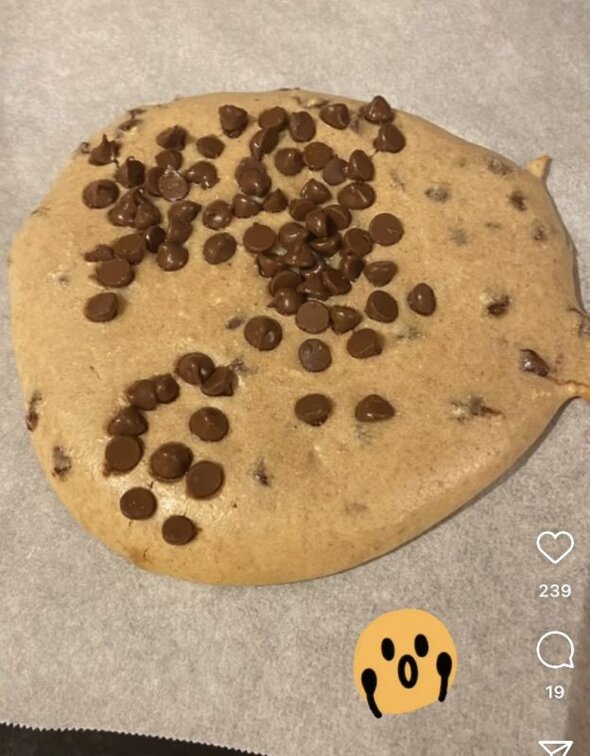
I have concluded cookies are not supposed to be high-protein. 😉 Some things are just meant to be treats.
Jalapeño Everything Bagel Seasoning: 10/10
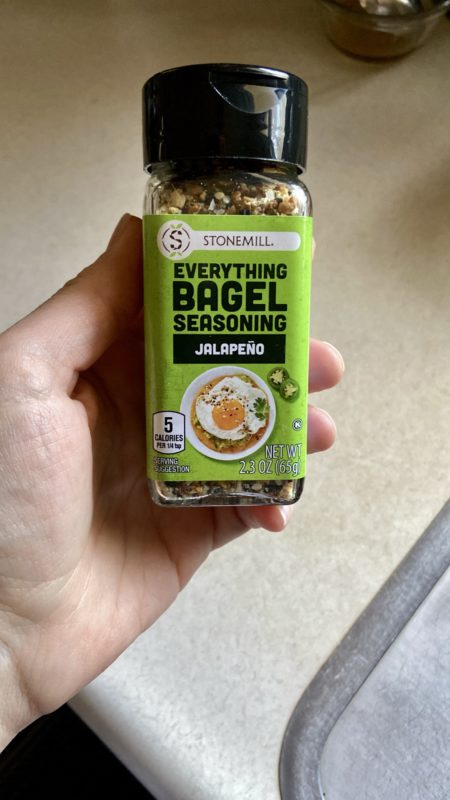
I picked up a bottle of this at Aldi and oooh it is so tasty! So good sprinkled on eggs, and it costs $1.59 at my Aldi.
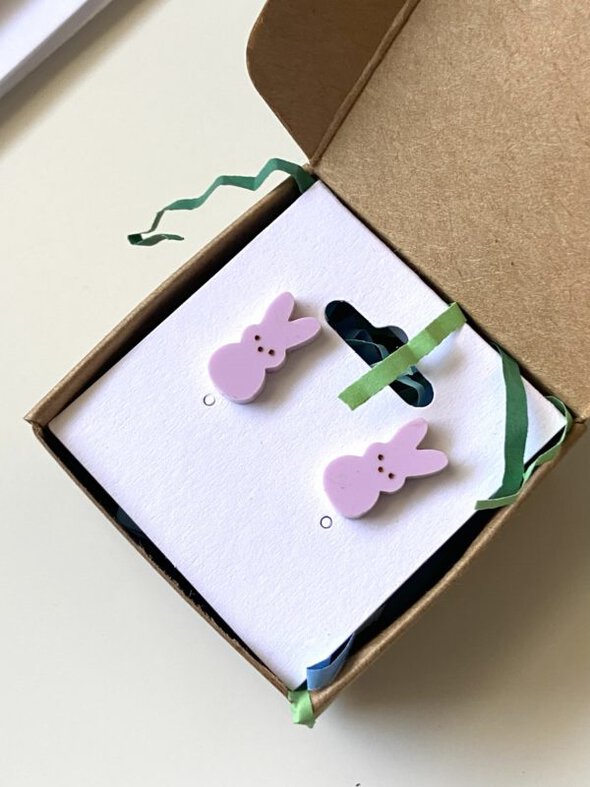
I bought some bunny earrings
I will be at clinical on the Saturday and Sunday of Easter weekend and I usually try to wear some holiday-themed earrings because my little older lady patients appreciate these just as much as pediatric patients. 😉
I have fall earrings and some Christmas earrings now, but I had no Easter ones. So, I ordered a little pair from Etsy.
Do you wanna come to an in-real-life meetup?
Last year reader PD organized an in-person meet up, and she volunteered to do that again this year.
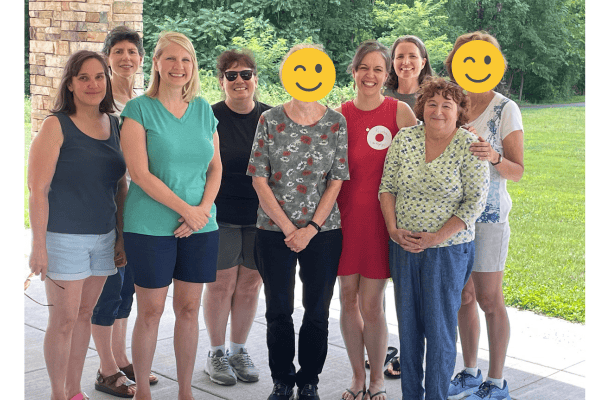
It'll be the same low-key setup as before (we all brought picnic lunches!) and if you are interested in joining us, here's a Google form to fill out, where you can vote on a date that sounds good to you.
And we've reached the end of this edition of miscellany. 🙂
I'm not trying to compare this to a serious medical situation, but what helped me with my wisdom teeth removal was accepting that it was going to suck. That actually helped me feel motivated because I knew it was going to be a miserable few days, but it wasn't going to be forever, and I focused on that fact.
I do have some qualms with constant positivity in that sometimes it can be used to guilt patients. I know that's not what you were trying to say, but it reminded me of Barbara Ehrenreich who had breast cancer and was admonished for not wanting to be happy in her situation. She wanted someone to acknowledge how crappy the whole thing was but got the implication that it was her fault for not getting well because she wasn't happy. I think it's really important to generally be positive and motivated, but it's equally important to acknowledge the pain.
@Sophie in Denmark, literally just finished rereading this book, absolutely loved it, so thoughtful and insightful!
I think what Kristen is referring to is not being relentlessly positive and full of joy in a hard situation, just that after surgery or treatment, following suggested recovery PT suggestions (whether that's DO NOT go hiking for at least 6 weeks or ''here is a cross-fit workout to do twice each day'') and sensible treatment advice is likely to yield better and faster recovery. Sometimes, a bit of teeth gritting initially is required for that, but I do agree there is zero need to pretend some awful surgery or having chemo is a Wonderful Gift. That's just... no.
"I think what Kristen is referring to is not being relentlessly positive and full of joy in a hard situation, just that after surgery or treatment, following suggested recovery PT suggestions."
YES YES YES. I try really hard to read the room and the patient when I meet someone, and I am not going to be all rainbows and butterflies when someone has just gotten hard medical news or is in terrible pain.
I do value positivity, but as I say over and over, being real requires holding space for both the pleasant emotions and the not so pleasant ones. And in healthcare, that means sometimes we sit with people in their pain and we empathize and we meet them where they are.
@Caro, Oh, definitely. For me it helps to frame it as something which will help Future Me - I don't have to love doing it right now! I think there is a danger (not at all coming from what Kristen is saying!) with others suggesting that if you do x y z, you will automatically be guaranteed good results, and if you don't get them, it's your 'fault'. When in reality, some health conditions and disabilities are outside our control. Of course, we should still do things which will help our general health and follow medical advice, but there are some things which we can't change. Does that make sense?
Barbara Ehrenreich was the best. I love her book Nickel and Dimed.
@Sophie in Denmark, Nickled and Dimed was so good. I also enjoyed the one written in response, Scratch Beginnings, by Adam Shepard. Ehrenreich is so right when she says, “Everyone is going to die of something”, but I only liked the first half of Natural Causes. The second half felt as if she was just trying to reach a page count. (Many books are like that because they have to be a certain number of p)ages to be financially viable for a publisher to make money.
Kristen, I'm sure AI will not try to write your blog. But your comments gave me pause as I do have a friend that makes his living writing a travel blog. He has been a lot of places and resides 6mo out of the year on the other side of the world with his wife, because that's how her visa works. When he went to Iceland I was so enamored with the many waterfalls. It is expensive to visit, but he has mastered the art of the deal. It was a place I never thought about visiting.
Motivation: I have been through a season of fatigue brought on by my thyroid being out of whack. Whatever med regimen I am currently on, plus getting the steroid in my knee (bone on bone) and the weather changing. one or all, has given me more motivation. I didn't realize how much my knee pain was affecting everything else. Anyway, I'm making this part "self-centered" because I identify with some of the residents I work for in age. I'm not moving very fast, but it is faster than I was. It has been nice to get some tasks accomplished that have been hanging over me. And I'm still on a roll...
Recipes: Hmmm, that was a protein cookie?
The Peeps earrings are cute. My contribution to the holidays is decorating our nurse's station counter. And the seasonal print scrub tops I wear. The residents do enjoy both.
@Chrissy, I hope you can get your thyroid levels regulated SOON. I have Hashimotos and have been on Synthroid for 13 years. It works great for me but has gotten so expensive that this is day 5 of trying a new generic, Euthyrox. (regular generics don't work for me - by day 3 I am so tired I can hardly get out of bed). So far so good but I'm keeping my fingers crossed...
@Book Club Elaine,
My dad was a pharmacist and was infuriated when they tried to push generic thyroid on me. He said many drugs are easy to recreate, but not this one, as it is temperature sensitive and rather delicate.
He explained that assuming a similar ingredient list equals the same thing is like assuming the directions on the back of a cake mix about temp, mixing times and order, just don't matter as that part of the generic is not regulated.
He also cautioned me to get it in person and not mail order as he had concerns about temp control in the delivery process.
@Chrissy, have you tried hyaluronic injections? Better half has had good results. A THC lotion/balm also helps as does different levels of knee braces - depending on the physical activity at the time.
In my limited experience motivation can be contagious, too. When I went to physiotherapy at the hospital part of the time I was in the gym and the other patients were so supportive. Watching how hard they were working and getting a fist pump or a "You go girl!" across the room when I made some progress made me want to keep at it. And it was fun to see what novelty earrings my physiotherapist would wear for various holidays. My favorites were her Christmas ones--Santa in one ear and the Grinch in the other!
@Darlene Too, Yes, agree! I do think someone has to be open enough and identify enough with the "motivating" person/people. And, for people who are really having a difficult time, the "motivating" person/people have to acknowledge they also experience the heaviness or difficulty of an experience but choose to try and make the best out of things most of the time for their future self.
Yes, and all of this takes wisdom, and requires taking each person on a case by case basis!
I would like medical professionals to understand how neurodivergent conditions impact motivation.
Something I saw and loved is “If you were lazy you’d be enjoying it”.
Lack of dopamine regulation and executive dysfunction make it really hard to start and maintain activities. I cannot form habits, even brushing my teeth is an action I have to make myself do each time. I can sit, freezing cold, 3 feet from a jumper and not be able to make my body move to put it on. Even stuff I love and enjoy is impacted.
I know you won’t treat people badly but I think it would be worth your while to research ways to help neurodivergent people. My partner has a silly ditty he sings when I need to shower and can’t make my brain do it. Or, instead of saying “can you do the washing up?”, try “will you wash up or take out the bin?”
@Victoria
I wrote a newspaper column for 10 years and at some point made some judgmental point about a one kid playing with a toy in the store where I was shopping and another kid having a tantrum. A reader wrote a letter like yours that the upset child might be neurodivergent.. and that letter changed the way I see the world. Thank you for sharing that getting through a day hits many of us in very challenging ways
@Victoria, This is really interesting because we have a dear member of the family who can be described exactly like this. Can you recommend resources for more information about how to help him for us?
@Victoria, This is true for me as well (to an extent). Something which helps me is to break something down into the smallest steps possible and to pick just a few things to do, rather than get overwhelmed by a long list.
This link seems quite helpful as an overview:
https://my.clevelandclinic.org/health/symptoms/23224-executive-dysfunction
@Sophie in Denmark, An extremely helpful article to understand what is meant by neurodivergence—thanks!
@Victoria,
Thank you so much for sharing this. I have a nephew on the autism spectrum which brings its own set of considerations as you've outlined above.
It is important for us all to understand that there are people with different circumstances that impact how they respond to situations and how that relates to getting care and what follows.
Doctors rail about noncompliance from patients, but don't consider not only a situation where someone is neurodivergent but also in general where a treatment, drug, etc. just does not work for someone to start / access (many reasons including cost, time, etc.)
Not everyone fits the often "one size fits all" approach to treatment and care (looking at the cardiologists who refuse to acknowledge that no, statins are NOT for everyone, nor are they always as effective as doctors say they are. Applies to many drugs, etc.)
and that is one of the biggest issues in healthcare today.
Someone mentioned others cheering them on. Imagine you leave a hospital with a regimen that is so demanding you can barely, if at all, follow on your own and you have no daily support. You can be as motivated as you want but there are times when you just can't even physically do the simplest thing. Been there, done that.
@Victoria, For anyone interested the Goblin Tools app is a great empowerment resource. I recommend it to the neurodivergent clients I coach. The app is able assists them in break down large tasks into smaller steps, helps them respond appropriately to text messages or emails as well as other executive functioning challenges. It’s also customizable based on need. Thank you Victoria for speaking up for the neurodivergent community!
@Irena,
This is so true, for neurodivergent and neurotypical people alike. Some people struggle to comply with doctors instructions for a number of reasons: financial reasons, food insecurity, lack of reliable transportation, inability to understand the instructions you've been given and/or receiving conflicting instructions (that last one happens more often than you'd think!). People in the hospital are generally there because they're sick, or had surgery, or both. They might be worried about going back to work, being able to drive, how they're going to be able to take care of their spouse/parent/kids/grandkids/etc., to say nothing of being overwhelmed by new medications, a new diet, possibly going to a rehab/nursing home, the list goes on. It's challenging at best. To be sure, there are folks who have all the resources they need, and still don't do what they need to do, for a variety of reasons....denial being one of them. But we health care professionals need to be aware of individual needs, and meet people where they are.
Yes! I have some neurodivergent family, but obviously that is a limited sample size. And yes, ADHD can be so so hard; I know it has to be extremely frustrating to want to get something done but not be able to get going on it.
And then you get judgmental with yourself about it which makes you feel even worse.
So, it's so important for people in healthcare to approach this with compassion.
Fun seasonings keep my pitiful cooking a little more interesting. Lately I got a dill-based one from McCormick that was pretty good. With an in-store coupon, it was about the price of the Aldi one. Also, regarding motivation for patients - there is also a big difference in how people interpret/experience pain from the same types of injuries or surgeries. I've had five year olds lay calmly for xrays of broken arms that teenagers barely tolerate. A lot of it is personality. And some people just handle life and pain and recovery better, in general.
@Gina from The Cannary Family, I think you have made an important point here. Every individual is unique and quality care takes this into consideration. I have a really positive attitude and take very good care of myself. This did not help me at all when I recently underwent a medical procedure.
On December 19th of last year, I had a mammogram guided breast biopsy done at a satellite of one of the leading cancer hospitals in the country. I was told this was a simple out patient procedure. I would not need any pain medication, and I could easily drive myself home.
Well the truth was very different. I cried in pain during the procedure. It was tortuous for me. Thank goodness I had my husband come with me, because I could not even reach out my arm to shut the car door. Half my breast was severely bruised and was purplish black for 6 weeks. I had to have 3 rounds of antibiotics, because I contracted an infection. I still have pain at the biopsy site and a scar that will probably never go away. That was 4 months ago today.
I was motivated though! I spoke to the director of the center and file a formal complaint complete with pictures and notes from my visits to my PCP. For the medical professional at this cancer hospital, my procedure was just one of dozens of biopsies that they did that day. For me, it was something completely different. I now live in fear that I'll need another simple outpatient procedure one day.
Just a motivation is important for the patient. Compassion is such a necessary part of health care.
@Bee,
Those kinds of things happened to my mother several times. Simple procedures turned out not to be simple. A "routine" surgery had her in ICU for six months, so ill that they called in the family at one point. I'm so sorry you went through this, but I am glad to hear you reported it! So many times, people just sigh and carry on. Here's to you never having this kind of thing happen again!
@Bee, I had a similar experience with a PT person. I am a rule follower who thrives on motivation. As I told her, I’m happy to do whatever it takes, especially at home with your guidance, to recover my ability to walk after an injury. Three months of PT were a spectacular fail as she routinely chided me for not getting better.
The difference between us, Bee, is that I’m the sort who blames myself for things that go wrong. I did not complain about her treatment of me. She often threw up her hands and said, "WHY are you walking that way!?" when my gait did not improve. I’m hesitant to report people. I just want to get away from them.
You have opened my eyes. Thanks, Bee.
Awww, Erika, I am so sorry that someone treated you that way. You did not deserve that and I don't know why someone with that type of attitude even works in patient care. Sheesh.
People rarely are motivated by shame and criticism, so I cannot imagine she gets good results with her patients this way.
@Bee, I am so sorry you had to go through this. It is hard, as a result, not to be concerned about future needs.
I want to congratulate you for placing a complaint and speaking up. Many people do not because we do wonder if it makes a difference, but it's always worth doing, if only for our own sanity.
Yes, medical folks consider stuff routine. There is nothing routine about any procedure. NOTHING.
I learned that when I had to have what I thought was minor surgery at one point. I met with the doctor the day before and I said something like I wasn't worried because this was so "minor." He looked at me and said: "I never consider any surgery minor. You are getting anesthesia and that is always a concern."
And I ended up with lifechanging side effects --permanently unable to walk and in a wheelchair, serious ongoing problems with two major organs--as a result of cancer treatment (Here's what the doctors said, which was anything but helpful. Oh, we don't even know of anyone else who has had these side effects. We don't think it's from the treatment (it was)." So yeah, docs downplay a lot.
@Bee, That was completely uncalled for in the way you were treated! I am very sorry that happened to you. I know for myself I would need medication for pain and anxiety medication. We as patients are individuals who trust our providers to care for us.
@ErikaJS,
I'm appalled that that PT person treated you and spoke to you that way. Although, I will say, after my total knee replacement a little over a year ago, I had a PT tech tell me - after my *third* outpatient PT session - that I needed to work on getting my full extension back, or I might need another surgical procedure to remove scar tissue. I was furious! And when I get that angry, I cry, much to my chagrin. I was really just starting my recovery and PT, I was doing my home exercises, and everything they told me to do. I reported her to the PT that was working with me; I didn't work with the PT tech again, and my PT was wonderful - she pushed me, sometimes hard, but I knew it was for my own good. As it turns out, my body likes to make scar tissue. Unhappy sigh. I wore a brace for months, did more PT, and finally got my leg as straight as it'll ever be. My surgeon told me I came *thisclose* to needing the second procedure to remove scar tissue.
As far as surgeries being routine, I always thought of knee replacements as "routine". I was so very wrong. My surgeon did not warm me of how much pain I would have that first night after the nerve block wore off. I'll be bringing that up at my next follow up visit.
@Bee,
I am so, so sorry that happened to you. While it was "routine" in their eyes, they should have mentioned possible issues, pain, etc., that might occur. Everyone is different, and to think everyone will experience something the same way is not very smart. I'm glad to filed a complaint.
@Liz B., Thank you so much for your compassion. I will know better next time. I’m scheduled for more PT, at a different facility this time (my choice so that I don’t have to face that pt again), and have put it off for weeks because I’m terrified.
@ErikaJS,
I am so sorry, but i am angry on your behalf too. This person wasted your time.
If medication/programms/training are not getting the desired effects, then a good doc, PT etc. have to admit it and consult someone else.
I had an "interesting" foot injury that took 2 years to fully recover.
Trust me, none of the people I saw or worked with did that to me.
They listened if something did not work, and changes where made accordingly. Thats where I blame your PT most: it did not work. She knew, but was to whatever to get someone else involved to get you the treatment you needed.
If someone treats you like this, please leave and find someone else.
@Katja, The fact that I didn’t cut bait comes from my motivation to do what the medics say will work. I followed her exercise instructions, did them faithfully at home for almost 3 months. My injury, a sprained hip flexor got worse until it was unbearable. All along I believed that I should just try harder, she must know this is the right path and disregarded her attitude. Until I just had to quit.
As a Rehabilitation Assistant (physio and occupational therapy) working for the past 17 years in a hospital, I can confirm that motivation plays a BIG role in how much and how fast patients progresses! A lot of it is mental.
As a health care worker 10-15 years away from retirement, I am also not worried about my job being taken over by A.I. But my husband job could, and this is a scary thought. It's already starting. I mean, I understand why companies would go that route, but still... what does that mean for us, the human kind, for now and in the future?? Will our kids/grandkids still be able to get decent jobs?
@Isa,
I am personally frustrated by the use of AI in many areas of business especially the Customer Service field. Sometimes I have really needed to speak with a human being and have been asked to wait 3 to 5 days.
@Bee, YES YES YES!! The bigger the company, the more remote the human beings are.
@Bee, Fully agree. I had a recent experience with calling a company that employed an AI screener and had such a hard time getting the thing to allow me to talk to a real person (when the company had emailed me and asked me to call and speak to a real person). Once I actually did get a real person, I had to take a few breaths so I didn't let my irritation bleed over to the real person. I know they don't want this AI to be getting in the way of them doing their job any more than I do.
If you ever have a MICHIGAN MEET UP, let me know!! ((Heart)).
@Stephanie, it just takes a planner and Kristen's willingness to travel wherever you're hosting. BYO picnic lunch is easy to plan!
@Stephanie, Preach! Come on over to the mitten, Kristen!
Nope, AI is not coming for the Frugal Girl Blog. Can you imagine how dull it would be? Yuck.
Motivation is a huge factor in recovery (and so are pain levels!). DH was strongly motivated after his first stroke, and did very well, getting back to walking in about six weeks. But after the second stroke, he lost his motivation. It had all began to seem useless to him as one thing after another got him down. (In five years he had two major strokes, several TIA's, a broken collar bone, a shattered kneecap at a separate time from the collar bone, prostate cancer, claudication in one leg requiring two stents, pneumonia three times on top of his COPD, kidney disease and numerous UTI's). He never made any improvement in any therapy he received after that, and he ended up unable to walk or stand and having difficulty using his hands. Much of that loss of function would have happened eventually anyway, but his complete lack of motivation and compliance with the therapy accelerated it greatly.
I read one time that people who are "low pain tolerance" actually have more pain receptors, so they really do feel more pain. Anyone else read or hear that? My birth extended family all has high pain tolerance, and some in the family treated it like a moral failure to complain about pain. (Not me, ha.)
I love the little earrings, although I am not a Peeps fan.
I hadn't seen the cookie, but that is... just funny, I'm sorry. It reminds me of when I tried your cream biscuits with cassava flour. They just spread out, like that cookie.
I'm one of the few people who is not crazy about the "everything" seasonings. I don't know why. I doubt jalapeno would change my mind, because it's not my favorite hot pepper.
I can't do a meet up, but if you are ever interested in trying one closer to Florida.... I'll be there!
@JD, Given what your husband has been through, his lack of motivation is totally understandable. Sometimes one's physical health issues are just plain overwhelming. I have seen people who were tough enough to survive a lot of stuff be totally overwhelmed by what it requires just to stay alive, let alone have a quality of life you want.
Pain tolerance has been scientifically shown to vary among individuals. Same with drug tolerance. I stopped breathing twice after being given a particular drug and have had serious side effects (yes, life threatening but I was luckily in a hospital and being monitored) from drugs given during surgery.
Doctors are always pushing drugs and I'm always like: I have to see if I will take the risk of the side effects. (I have taken a laxative twice in my life. Once in my teens and once in my sixties. Both times I ended up in the ER with serious gastrointestinal problems. FYI: Each time I was told "Oh, this is the mildest and safest laxative." Nope.
I tell doctors pushing a drug now: If I take this drug simply because you recommend it, and there are problems, you will not like my response to you. However, if I choose for myself, I will own it no matter what happens. Guess what: I pretty much have declined their drugs over the years and it has proven to be a good idea as the safety and efficacy (which always varies from the studies!) have shown I would have had more risks than rewards.
If you listen to the unending number of drug commercials, the list of side effects, some of which include death, is just so unsettling. You risk other aspects of your health to maybe, emphasis maybe, feel better with one issue? Pass
@JD, Yes to Florida meet up, and also not a fan of the "everything" seasonings....
@Irena,
Thank you. You've said most of what I was trying to formulate about pain tolerance differences.
My mother had open heart surgery four times. My mother was tough as nails and when she decided to do something, it was done.
However, whether she did PT or not depended entirely on how it was put to her. For some reason, we only once got a nurse who understood that her reticence was simply because it can be terrifying for a heart patient to think of getting their heart rate up. Just terrifying.
That nurse understood and addressed her fears and explained how she would know if something was not good for her. She did not pretend PT was going to be all about attitude or that she was lazy if she was hesitant, she did a water aerobics class that gave her life back to her and more energy than I'd ever seen.
The doctor, nurse or rehab person who came at her with all this cheeriness and "we can do this, it's all up to you" would get shut down immediately.
And I will not tell you what my mother would do to any medical professional who said, "How are WE feeling today?" I know one response was "So you got your chest cracked open with a rib spreader yesterday too? Small world." lol
What one person sees as being positive and motivating can seem very dismissive and close to insulting to another.
I'm working through the comments backwards, but yes, yes, I completely agree about the variance between people; I hope that over time as I gain experience with patients, I will collect the wisdom necessary to know what would help each person.
A meetup sounds like so much fun! If I wasn't in Toronto, I would totally go.
Motivation--so important, so complicated! If you're interested, there's a whole type of therapy called motivational interviewing that tries to help people harness any shred of motivation they can muster and turn it into change. Learning a bit about it has helped me, both with understanding myself and what motivates me, and also with helping my patients move the needle towards change.
@Meira@meirathebear,
Interesting. Now I have a new topic to read about. Thank you for sharing.
Meira@meirathebear, whole type of therapy called motivational interviewing that tries to help people harness any shred of motivation they can muster and turn it into change.
This is fascinating. THank you for sharing, this is something I want to learn more about.
@Irena, my sister wrote a very accessible book about using motivational interviewing-based strategies as a parent that might be of interest - The School of Hard Talks by Emily Kline.
I would really love to learn more about this! I know that taking the time to understand where a patient is coming from is so helpful in assisting them medically.
Thanks for the review on the Jalapeno seasoning from Aldi.
Yesterday I discovered something special that cheered me up! A town about an hour away from us that we frequent has an Aldi!! How did I not know this sooner? I thought our closest Aldi was more like 4 hours away!
Their prices really do seem overall better than our little local store, although I do get some great sale deals at our local store.
I love the bunny earrings - they give Peeps vibes 🙂
Motivation in recovery is HUGE. I can only speak for the C-Section I had to deliver my son. I remember my nurse telling me that I was crazy when I called her to help me get into the shower 3 hours after giving birth. Maybe it was the fact that I had just had the most beautiful baby boy, but I just could not lay in the bed. I am in general like that whenever I get sick but I admit that I have never had to cope with any serious medical conditions or illnesses.
Thanks for the recommendation on the everything bagel with Jalapeno. I will be purchasing some of that this weekend for sure!
I have found high protein recipes to be very inconsistent especially when they involve making something like cookies or cake into a high protein item. The only recipe that I found this to be untrue was for the high protein bagels made with just plain Greek yogurt and self rising flour - these were very good. When I get home from our little getaway, I think a batch of these using the everything bagel with jalapeno and maybe some cheddar might be a good plan. I find that high protein is best when it relies on real food rather than protein powder. Don't get me wrong, I love a good protein coffee to amp up my daily intake but the remainder is taken by meat, veggies, yogurt, cheese, beans and whole grains. Just what works for me. I have seen many others make huge progress taking in more supplements than I do and I don't knock them. This is just what is sustainable for me.
I would love to meet up with all of you but my location and schedule demands simply don't allow for it 🙁
Since I leave today, I wish all of you a great weekend!
I like itsy-bitsy holiday things, as well. This past Sunday, I was sorely tempted to get myself a little bitty St. Patrick's Day decorative hair clip in the form of a thumb-sized green top hat with a shamrock on it. We were selling it at our store. The perfume counter lady had one and it was oh, sooooo cute! I thought about wearing it to the middle school where I was assigned to substitute teach on the 17th. But our store had them priced at $2.48. I figure after the 17th they'll be marked down...hopefully to 99 cents...and if so, I will get one and store it until next year.
Meanwhile, I had to declare my classroom a "No Pinch Zone" this Monday, March 17. OMG! Whatever possessed me to sign up for a middle school gig on St. Paddy's Day? I claim temporary insanity as my defense!
As for meetups, if anyone wants to see the sights in Waco, Texas, pls. let me know. We could have a frugal fixer-upper get-together here. And picnic either at the Magnolia Silos grounds or Cameron Park. But pls. don't come in summer when the temps get to be 100 degrees F. (Can we say, "hot and miserable, boys and girls?") Spring or fall are the best times.
Wouldn't a motivation pill be great? In my experience, as others have mentioned, there are a myriad of reasons for lack of motivation. People who have multiple health issues and who have to continuously summon positive motivation often just 'burn out' and seem to lose the ability to stay positive. Having poor health (bad genes) when you are trying so hard to do all the right things can be very draining. Also, memory issues (even mild dementia) can cause a person to lose motivation. And receiving a bad diagnosis can be overwhelming to some folks making it difficult to dig deep enough to find that motivation. I know some people who seem to have an endless supply of motivation and others who really struggle.
@Bobi, you're absolutely right about dementia's being one cause for apathy/loss of motivation. Watching DH slide into that state was one of the worst aspects of his decline for me.
Yes. And I might not have stated this well, but I feel compassion for the patients who are in a place of struggling to be able to take the steps necessary for healing. Which is why I wish I could wave a magic wand for them, not from a place of judgment but from a place of wanting to help them feel better.
On AI - IMO, when used for communication purposes, the end product of AI is inferior to one produced by a thinking, feeling human being. I have used the AI tool to do some eBay listings, and it has required quite a bit of editing prior to publishing. Description and feeling are extremely important when writing advertising copy of any sort.
On another note, it will be interesting to see how AI impacts our future generations. My son teaches an introductory geography class at a large state university. He has told me that he is often given the exact same answers - nearly word for word - on homework papers, because students are using AI tools.
On motivation - In the past I have often said attitude is everything. Although I still believe to this is true in most areas of life, I do not think it is necessarily the most important aspect of physical health. As I have begun to age, my body is not doing everything my mind wants it to do. Heredity also seems to be a huge factor. I am turning into my mother!
@Bee,
It's probably a good thing that AI hadn't been introduced when I was teaching high school English. I about tore my hair out when kids would plagiarize. One gal even copied word for word an article out of Encyclopedia Britannica for her term theme. We had an old set of EBs in the classroom, and that's where she got it. I tripped her up by asking her to define a couple of the long words in the first paragraph. She had no idea what they meant!
Kids don't realize that there are free plagiarism checkers online for teachers to use. It is so easy to bust them !
IMO, the term Artificial Intelligence is an oxymoron. No machine can duplicate the writings of a human being, at least not in a quality way.
My mom and dad both fell and broke a hip at different times in their life. My mom fought everything and just wanted me to come get her and take care of her. My Dad was highly motivated and really worked hard to get his mobility back to normal. They both had the same outcome. My mom eventually did her rehab, healed perfectly and went to assisted living. My dad worked so hard, healed perfectly and went to the same assisted living which was very nice and their choice. They didn’t want to live with family and knew they couldn’t live on their own. Medical science has hip replacement pretty much perfected. They both healed perfectly and were fully functional. What they don’t do is work with the mind. Neither one wanted it ever to happen again and so were afraid to do much of anything. It was like the straw that broke the camels back. It was disgusting enough to get old and all that comes with it but now the prospect of maybe falling again was more than they were willing to live with. That and they found the world they were living in stupid and underwhelming. They had both lived pretty exciting lives and found the dumbed down modern world uninteresting.
The body is a pretty amazing thing and with amazing medical science most people will heal whether they want to or not.
Your blog would be easy for AI. You have so much content it would eat all that up and mimic your style and voice and age relate your photos and pick random subjects from timely interests.
I had AI do a job resume in Mark Twains voice. It was pretty spot on.
@Tiana,
I have to disagree. How is AI ever going to show us the latest furniture rescue, tell us the amusing patient stories, exclaim excitedly about getting to visit Lisey, answer questions with personal examples, talk about working out that day at the gym, and show us gorgeous pictures of trails and water? NO CHIQUITA!?! And it sure won't be meeting up with us anywhere!
@JD, And no Shelley either!
@JD, lol. Oh please. Just the fact that you listed specific things it could create them. And movies have been computer generating visuals for years. It’s not could they do it, it’s why would they?
@Tiana,
Just let me know when AI starts meeting with people in person. That, I want to see.
@JD, AI already has virtual influencers that are digital personas carefully crafted to look and act the way a human influencer would. I’ve not heard of any little robot meet and greets though lol.What AI will do is let advertisers determine that sites have repeat viewers and no new content to data mine and so they will stop paying bloggers because they already have everyone’s online information. Blogs aren’t as popular as they once were and will continue to disappear because of changing habits and interests. But your meet and greet is safe from AI!
Well, if you are right, then it's a good thing I'm about to have my nursing degree. 😉
@Tiana, I'm not sure why you're putting down Kristen's work on this blog by stating it could be done by a computer. I know when I see CGI in a movie, I can tell it's not real, and the same goes for AI-generated writing. Kristen puts her heart and soul into writing this blog, and the AI would not do anything about moderating the Commentariat nor would it bother to respond to and talk with commenters here.
@Karen A., that’s your spin, not mine, I’m not putting down anyone.
Forbes wrote about a study published in Nature. Participants consistently rated AI generated poetry better than well know poets and were unable to distinguish between AI and human. “Even when the humans were some of the most famous names in English writing.”
@Tiana,
I had my hip replaced in 12/23,I went into it,pretty much with the attitude I want this to be over with and able to resume my normal life.
Im not a fan of P.T.,and my insurance had a 60.00 copay for each session so that wasn't happening.
I just walked and was able to drive myself to my follow up appointment and walk in without cane or walker.
Doctor was pretty impressed.
A list in response (because you introduce interesting topics that make me think):
1. AI is scary to me because it seems like our modern version of the Tower of Babel, where people are trying to be like God. I don’t fear for my blog because it is like yours—highly specific and personalized. All those spam “fix your SEO” emails make me laugh, because if you don’t know me, my art, or my area of the world, then you won’t actually care.
2. Maybe you could just sneak a tablespoon of protein powder into almost anything you make (unless it has a flavor like vanilla, which would be quite odd in tomato soup).
3. Jalapeño anything—nope.
4. Why do we so often refer to older women as “little”? Before the interwebs and acronyms became so ubiquitous, “LOL” to me meant “little old lady”. But why the diminutive??
5. Looking forward to a West Coast meet up someday. Remember, Central California is CENTRAL, between San Francisco and LA. 😎
@Central Calif. Artist Jana, when LOL first came out, I thought it meant "Lots of Love" 🙂
@Book Club Elaine, Me too and the first time it was sent to me as an email sign-off was from a person that it made no sense from!
Forgot about the motivation pill: Are you allowed to ask a patient, “WHY don’t you care about getting well??"
@Central Calif. Artist Jana, To answer seriously, I think that would be very hurtful to them, and it would come across as judgemental. Most people do care about getting better, and mostly people are doing their best. I usually ask it as, "Hey, I notice that you aren't doing physiotherapy. What's going on?" Maybe they don't understand how important it is, or maybe they're in too much pain, or maybe they really hate doing it before lunch, or maybe they're depressed or demotivated, or maybe they're racist against the physiotherapist. All real reasons why my patients have refused, and all fixable (except the racism...that lady needed to fix her heart!)
@Meira@meirathebear, you are right. There are many better ways to ask that question, to try and find a reason for one’s lack of motivation in healing.
@Central Calif. Artist Jana, I am nowhere as far along in learning as Kristen is, but in my intro to Nursing class we learned about therapeutic communication. One nurse shared that they had a patient who was just not cooperative about anything. Wouldn't do the therapy she needed to do to recover from her surgery, wouldn't ambulate on her own, or even allow them to turn her to avoid bedsores. Meanwhile she kept complaining about how she hated it in the hospital. Finally the nurse sat down and talked to her: "So what I'm hearing is that you hate it here and want to go home, is that right?" And the patient said, "Yes! I hate it here!" The nurse said, "Great. I want you to go home too! Home is the best place for you. But what I want to know is why you won't help us help you do the things you need to do in order to go home?" Finally the patient admitted that she was scared that when she went home, her husband wouldn't care for her. (The husband, FYI, had been by her side the whole time, but had no idea she was worried about being a burden on him! Her belief was the nurses and staff would take care of her because it was their job, but her husband didn't have that obligation.) The conversation led to a good discussion, and the patient rallied and started doing the work to get home! So sometimes therapeutic communication means pointing out the discrepancy between what the patient wants and what they are willing to do.
I don't think I would probably phrase it quite that way! 😉 But I do think it's helpful to ask questions from a curious mindset, to try to understand. One time in clinicals, a patient really, really did not want to follow the plan the doctor had suggested, and after we had a conversation with the patient, we had such a much better understand of why he was resisting. Understanding the backstory gave me a lot of compassion for the plight he was in.
AI is a data scraper. I think it's dangerous to view it as objective when in reality, it was built by people and thus has bias. It will also give you 'facts' which are not always true!
@Sophie in Denmark, ChatGPT is terrible (or terribly good?) at just making sh*t up.
Your motivation section got me thinking about my own after surgery experiences. It seemed to always take longer for the anesthesia to wear off for me than the medical staff expected. They would come in and think I should be ready to perform some task but I just had no desire or ability to do it. A few hours later and I would be ready to go. I am thinking of when they tried to teach me how to maneuver out of bed after I broke an ankle and had a plate put in. I was non weight bearing for 12 weeks and had to figure out how to get in an out of bed with only one leg. My poor brain just could not wrap my head around the instructions as soon as the staff thought I should. Later I was able to do it. Then I had the realization of 12 weeks non weight bearing and I had other mental struggles but at least I was able follow instrucrioms. I am happy to,say that I have fully recovered from every surgery but I am thinking I am one of those that would be considered low motivation to begin with. I also had memory issues for months after anesthesia. I just react so strongly to whatever I have been given.
@Nancy H, Years ago I broke my left ankle and sprained my right ankle at the same time. Into a wheelchair with me! Then into the ER/ICU/CCU with pulmonary embolisms from the lack of movement. Then off to PT! I had the best physical therapist. "Is THIS as good as you want to get?!! IS IT?!!" "No ma'am." I can walk real good now. ;-}
@JDinNM, what I concluded after 8 weeks of PT for my partial knee replacement back in 2012 is that the best physical therapists are sadists. 🙂
@A. Marie, But it's for your own good! That's why it hurts so much!
@A. Marie, I had two just lovely physical therapists for my arthritic knees and hands. What they did that worked so well was to explain that this or that strange and slightly painful exercise would rebuild a certain muscle and make it possible for me to grip a toothbrush again or walk up and down steps without holding the rail. I loved learning about my own anatomy and felt really invested in the process.
The absolute best nurse my son had during his ordeal was one of the wound care nurses. This was after he had had three traumatic surgeries, two of which either were botched or failed, and he was left with a huge wound and told a) he might have a fistula that could take years to heal and b) he wasn't going to be let out of the hospital until he "improved", and they were vague about that, and c) he had to wear an ostomy device (an Eakin window) over the wound rather than a traditional dressing. He was exhausted, weepy, at the end of his rope and the doctors were giving him no reason to hope. (I think at that point they didn't want to promise anything because they were afraid of being sued about the botched surgeries!)
The wound care nurse, Shelley, was fantastic. She straight up said, "Yep, this sucks. You're in a sucky, sucky place right now. You came in for what you thought would be a normal surgery and ended up here. Now, you can either sit there and wallow about it, and not heal, which is what you're telling me you want, is healing, or you can look at what you can do, what is in your control, and work with that." She said this all very kindly, but firmly, and it was just what he needed to hear. I wanted to hug her and adopt her into our family, basically.
@Karen A., I need Shelley. May I borrow her? Just for a few days/years....
@JDinNM, I so wished she was a home visit nurse! But she worked at he hospital and in the wound clinic, so at least we got to see her once I think when DS had outpatient visits.
I do think it would be fun/funny for you to put your blog into ChatGPT and ask it to write a post and see what it comes up with!
I know my friend Katy did that a little while back; I should ask her what method she used! I am very inexperienced with ChatGPT.
What you said about how different patients approach things differently is so true. My mom went through two knee replacement surgeries and an unexpected back surgery within the span of about a year and I really learned a lot about her and a healthy approach to recovery. She was cautious but dedicated. She suffered some pain but she kept a great attitude and was disciplined, even when she didn't feel like doing all the things she was supposed to do. I want to be like that.
@CrunchyCake, Everyone I know who has had both hip replacement and knee replacement surgeries says the knee replacement is the hardest to recover from, which makes sense when you think about the weight we place on our knees. So good for your mom!
I worked more than 20 years as an OTR (and it's been more than 20 years since I retired from that profession), and just want to remind you that so much goes in to patient "motivation". I'm not sure I would even use the term "lack of motivation" in an acute care setting. Some of it has to do the disease process itself. Stroke patients are sleepy and their brains need rest after a CVA, but in the push to get people moving--out of the hospital to rehab and intense rehab right away, some people just aren't up to that . . . yet, and there's no insurance coverage for later when they are ready to put the pedal to the metal. I also saw differences depending on where the stroke was. Patients with left brain damage (right hemiparesis) tended to be less active in therapies at first--this had a lot to do with ability to motor plan and problem-solve, skills that are mediated in the left hemisphere, while patients with right brain damage (left hemiparesis) often lacked insight into their deficits and were very impulsive and put themselves at great safety risk, they often moved TOO fast.
A person with a new life reality like a colostomy may still be early in the grieving process for their formally healthy body when you see them in the acute care setting. They may not be in a place of acceptance where they are ready to make the best of it yet.
To be hospitalized in the first place, they have just experienced a lot of physical trauma, and may need time to process and heal. It's hard to judge someone over the course of an acute care stay which may be only a few days after whatever brought them to the hospital to begin with. Definitely, there are people who are highly motivated and ready to go the minute they are conscious, but it's important to understand that's not everyone. It doesn't mean they won't get there once their bodies have some time to adjust.
I worked in acute and skilled rehab and home health most of my career and at the end in an Adult Day Health setting. I saw people work so very hard within their physical limits. Some younger male TBI patients were oppositional to rehab efforts, but that may have been a pre-existing attitude that earned them their head injuries in the first place.
I only had ONE patient who really resisted all efforts of rehab. This was a home health patient who had a privileged life to begin with, and her husband hired a wonderful person who was the consummate caregiver 24/7. She was gentle and efficient and did literally EVERYTHING for this woman, feeding her, bathing her, dressing her, managing her incontinence, lifting her into a chair (the woman rarely consented to be moved from her bed), etc. The woman decided she didn't want to make any effort on her own behalf, she just wanted to die--this is what she told everyone. Most of the time, patients have a 6th sense about whether they may be dying, even when they seem to show signs of recovery, but this woman just decided she wanted to die, instead of putting any effort into living. But, G-d had other plans for her, and she wasn't dying! I had to discharge her because there was no point in working with someone who didn't want to participate, but I heard she lived a good long time after with her total care being provided by her caregiver.
There are cultural issues, too. Part of my career was spent in Hilo, Hawaii (Big Island) where we had a range of generations of Pacific Islander immigrants. Some of the cultures took care of their elders to the point where they wouldn't let them do anything for themselves--that made efforts to help people be more independent challenging. OTOH, I took care of an elderly Japanese gentleman who we were trying to get independent in bathing--his expectation is that his family would bathe him, but the younger, modern Japanese American generation valued self-reliance and independence and couldn't quite grasp his insistence that they help him because that's exactly how it would be in Japan. It took a lot of delicate negotiation between the generations to work something out with this gentleman.
In those days (33 years ago) the only long-term care facilities on the island were run by the state hospital system. In Hilo, it was in the older part of Hilo hospital, from back in the days when hospitals had large rooms with many beds lining either side as wards. Large windows were open at the end of the big room to let in the tropical breezes--those old buildings didn't have air conditioning and didn't need heating. There were several patients who were semi-comatose, on feeding tubes in one of the wards. Anywhere else they would be gotten up in wheelchairs daily and exposed to plenty of mental stimulation, but there, they were left in bed 24/7 and people around them spoke in hushed voices, didn't "want to disturb them" at all. I saw visitors sit quietly at bedside for hours at a time, and probably had been doing that for years. It was also amazing to me that the general care these patients received was impeccable (aside from the lack of mental stimulation). They were meticulously turned every 2 hours, kept very clean, handled gently and respectfully. This is the type of care everyone deserves, but I'm sad to say I rarely saw it consistently in mainland long-term care facilities. Again, this had much to do with the local culture, and also--since profit was not the motivation for the facility--the staffing was fairly generous, too.
There is also a significant amount of discrimination in health care settings. "This patient is fat, so the diabetes is their fault, they must not care about their body. If they would just lose some weight!" "That patient smoked, so they deserve COPD now." Often that is interpreted as "lack of motivation", and it's overly judgmental and unfair to the realities of their lives which the care provider may know nothing about. It's way too easy for care providers to fall into those tropes, instead of seeing the human being in front of them. I don't think you are the type of nurse who will, but know it is OK to gently call on other providers who do.
People recover at their own pace. Don't forget to respect the process. It's easy to like the speedy people who do great, it takes a little more work to have compassion and empathy for the others.
I'm sure you will see over time.
@Jan, this is all beautifully put! And I’m fascinated by your description of the public hospital in Hilo.
@Katie, and @Jan,
I agree 100%.....incredibly well said. Also fascinated by the description of the Hilo public hospital.
@Jan, What a beautifully written & knowledgeable post. I bet you were very good at your profession
I’d love to join you for a meet up but as I live thousands of miles from you….. maybe we could organise an online meet up?
Don't get me wrong, there are certain AI tools that could be useful for my work (if they existed, they don't) because there are lots of small, frustrating things that seem like they would be so easy to automate (but I'd rather give a real human being a job to do those mundane things if they need it!). I really don't understand the fascination with LLMs (eg, ChatGPT), though. I assume it is because lots of people dislike writing/have not learned how to write. LLMs just seem to suck the humanity out of everything. I'd love to talk to someone who develops these and find out what they think the end game is for LLMs.
Love the earrings! And that you supported a small biz 🙂
I adore your little Easter earrings! How delightful. You are sure to make a lot of people smile that weekend, including yourself I bet. Etsy is such a fun place to find special jewelry pieces. And I love supporting small, independent makers!
If someone's in the hospital on a holiday, I figure any little bit of cheer is good. It's the same reason the floors I work on decorate for holidays...Christmas, Valentine's, St. Patrick's Day, etc. 🙂
I wonder what an artificial cat could do though...
Motivation may be a point that makes you struggle when repeatedly
seeing patients not having it and there`s no way to klick that into them.
Plus I can`t wait for the time when you meet new people and mention you`re in the healthbusiness - could make for some very interesting posts, if they are not too gross.
(I found people tend to tell/show things that they never would without that info)
Sorry for the lackluster cookies, I feel that.
What I do with protein powder baking: 4 eggs, 1 scoop protein powder, vanilla aroma,
brown erythrite. Add a ripe banana or cinnamon if you want. Blitz everything together, pour in any baking form you want, silicone preferred, the batter should just cover the bottom. Add frozen berries, I like raspberries because they grow here. Bake for 20 min or so at 170°Celsius, prepare something to flipp it on, and you have what i call baked pancakes. The leftovers are even better!