
110 Days in Europe, on a budget (with Elisabeth)
Hi, Frugal Girl readers! I'm Elisabeth and I'm thrilled to be guest posting for Kristen today! (Some of you might remember me from my Meet a Reader interview back in 2024, and I also popped by to talk about my gradual transition from pessimism to something approximating optimism!)
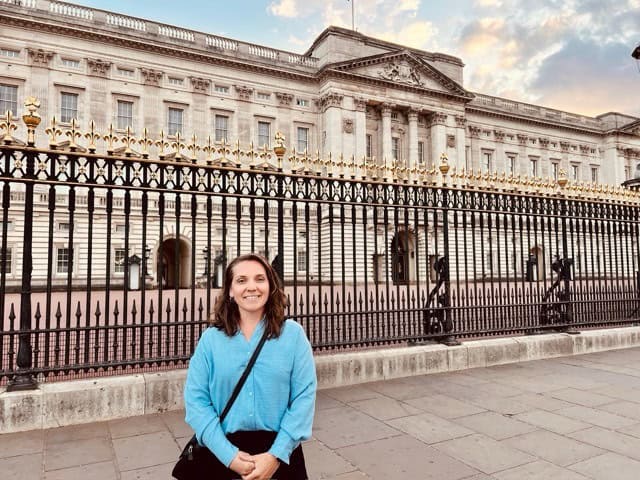
In that Meet a Reader interview, one of Kristen’s questions was about frugal travel, and I ended my response by saying that while I’ll always look for ways to cut corners and save money, "I don’t want to do it at the expense (pun intended!) of a great vacation".
I said I was trying to live by the motto: It costs what it costs.
Well, earlier this year, my family put that philosophy to a rather extreme test when my husband and I took our two kids—a 15-year-old daughter and 11-year-old son—to Europe for 110 days.
During our time abroad, we set foot in 20 countries, lived for a month each in Vienna, Helsinki and the UK, road-tripped through the Alps, and spent time visiting family in Scandinavia.
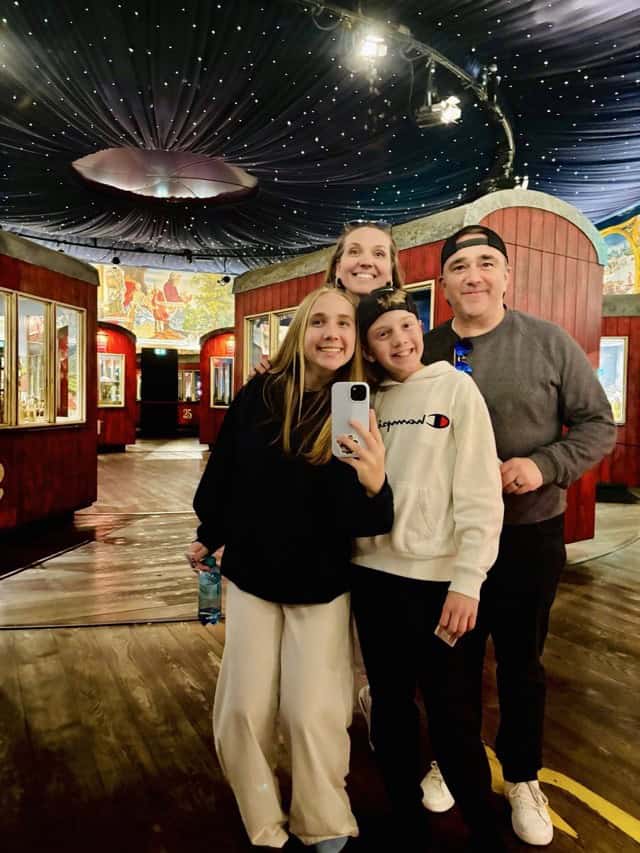
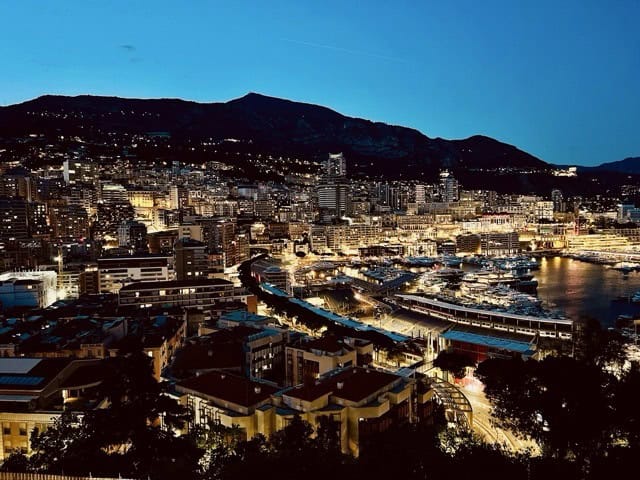
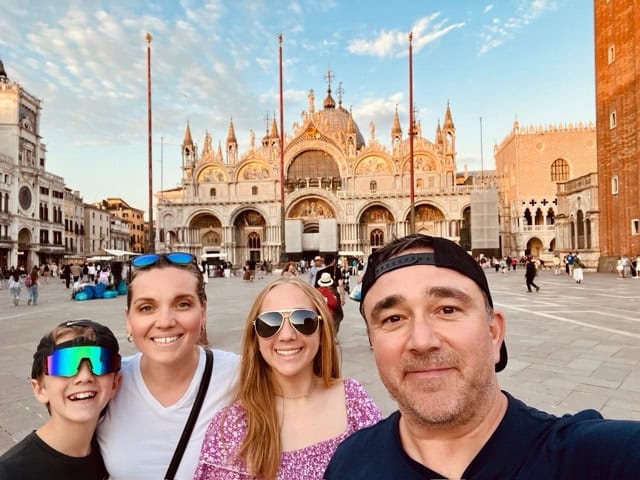
We got to see and do incredible things. We toured castles, wandered through art museums, rode roller coasters, walked the Formula One track in Monaco, visited Dachau, saw the Vasa ship in Stockholm, ate an alarming amount of chocolate in Switzerland, and rode a gondola in Venice.
And through it all, we remained… relatively frugal.
I documented our European adventure in great detail on my blog (as a blogger, excessive documentation is an occupational hazard!), and one of the questions I’ve been asked repeatedly since coming home is: How could you afford to take a family to Europe for almost four months?
Before I get into details, it's important to provide some caveats.
We cashed in points to cover some expenses. My husband continued working—for a European company—while we travelled, so some business expenses overlapped with the trip (for example, he had to attend a conference in France at one point, and for the price of an inexpensive inter-European plane ticket, our daughter was able to tag along for free).
We also received almost $4,000 CAD in compensation for cancelled flights. (If you ever have a cancelled or significantly delayed flight, especially in Europe, it is always worth checking whether you’re eligible for compensation. Filling out the paperwork can pay off handily!)
But even allowing for those factors, the final numbers surprised me.
Over our time away, we spent about $12,500 USD. (The Canadian number isn’t quite so low, and since most Frugal Girl readers are American, I’ll gladly go with the nicer-looking exchange rate!)
I’ve written before about how we save money while travelling on vacation (for anyone interested, here are recaps from Rome ,Paris, Barcelona, and Portugal that break down travel spending), but I think the most important part of our approach has less to do with how we save and more to do with why.
We Weren't Trying to Win at Spending the Least
I love a deal.
I buy reduced produce at the grocery store. I thrift. I use coupons when I'm able. And those everyday frugal tendencies followed me across the Atlantic.
That said, this was also a once-in-a-lifetime experience for our family.
We didn’t want to come home saying, “Congratulations to us! We spent the absolute least amount of money possible!” if achieving that goal meant missing amazing experiences.
To that end, we spent a lot of money on amusement parks. BUT, we went on discounted days early in the season.

My daughter and I went to see an incredible light show at the Votive Church in Vienna. BUT, my son/husband weren't interested, so we only had to purchase two tickets (and she was able to get a student rate and we got the cheapest tier of tickets which, through a bit of research, I was able to discover were actually the best seats in terms of viewing the show).
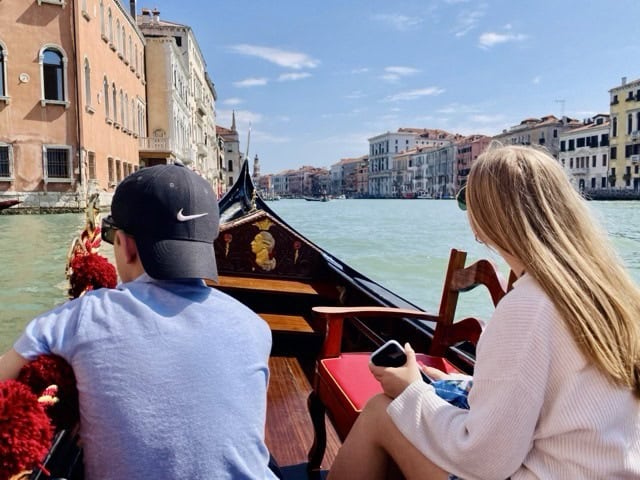
We rode the aforementioned gondola in Venice. BUT, we took a gondola ride in the morning when rates are lower; not only did it save money, it improved our experience since the canals tend to become quite jammed in the twilight hours. Win, win.
My husband and I had a brunch date in Vienna where my latte cost €6.50 and my Smoked Salmon Eggs Benny cost €20. I nearly choked when I converted the total to Canadian dollars.

When I talked about the financial side of our trip on The Reframe podcast (check that out if you're curious to hear my voice and get more of a deep dive into our experiences on this trip), I kept coming back to the idea of return on investment (ROI).
Interestingly, I think I talked less about the financial ROI and more about life ROI.
In other words, how much joy, convenience, connection, education, or memory-making are we getting in return for the money we’re spending?
We tried to keep spending low when the ROI was low.
And we were generally happy to spend when the ROI felt high.
We saved aggressively on the boring stuff
There are some vacation expenses that bring me zero joy. Buying bottled water is at the top of this list.
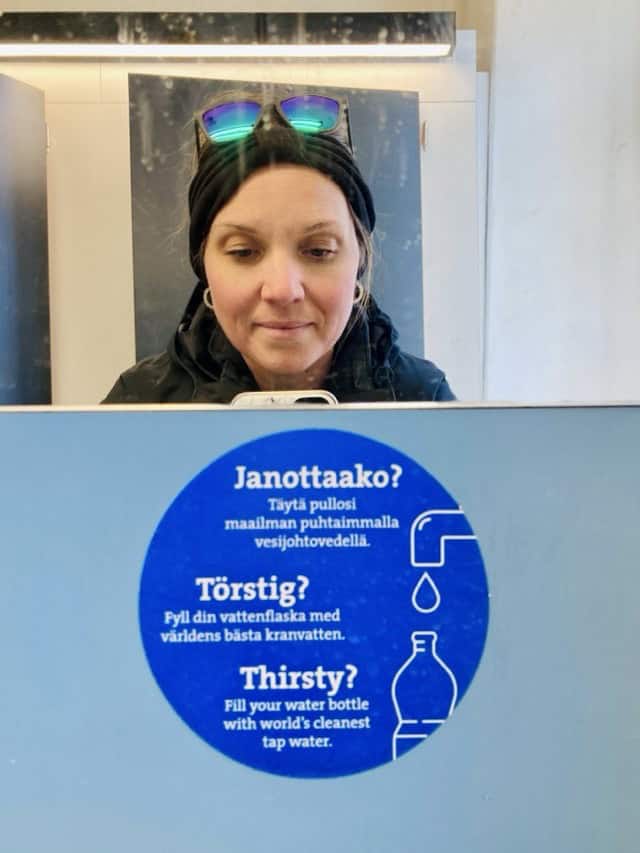
Not only is it wasteful, but it can also cost a small fortune. Paying €3 or €4 for a bottle of water ($5–7 CAD) when perfectly good tap water exists pains me.
Yes, there were days when we ran out of water and needed to buy it on the go. But we almost always left our apartment with multiple refillable water bottles.
Same goes for eating out.
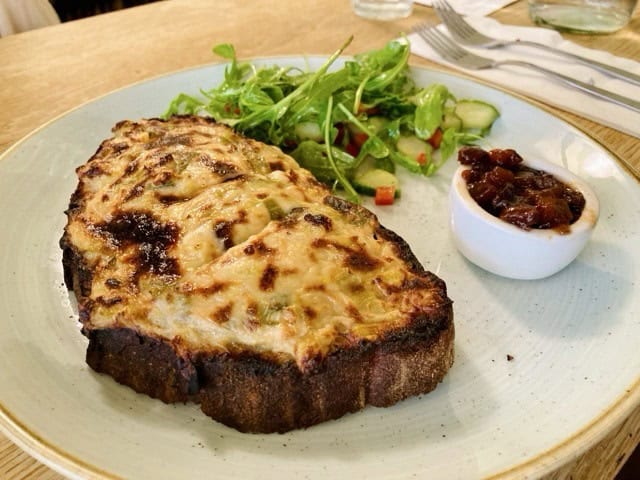
Don’t get me wrong: we enjoy food. Trying local cuisines was one of my favourite parts of our trip. In fact, I rounded up 50+ interesting foods we tried across Europe (including haggis, Bled Cake, rarebit, bara brith, brunost, and koldskål).
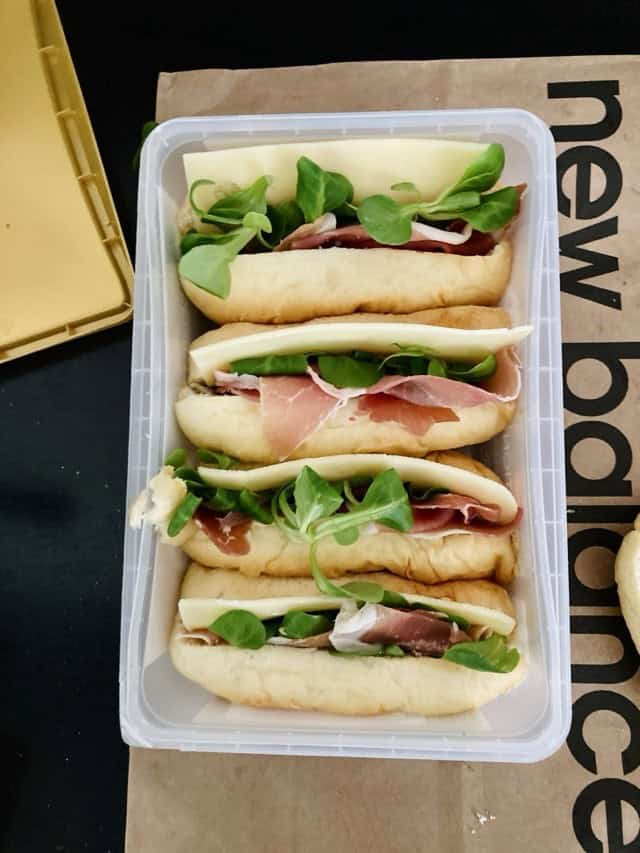
But buying four mediocre lunches at a tourist attraction simply because we’re hungry is a low ROI. Instead, we packed a lot of sandwiches. (My kids were not always enthused by the number of sandwiches consumed.)
We ate overnight oats, which are filling and inexpensive.
I carried granola bars and cashews in my purse for snacks on the go.
While we were at an amusement park in Vienna, we walked a few minutes outside the park to a grocery store and bought sushi, a little charcuterie tray, protein drinks, and a few other finger foods for supper.
Then we happily spent money on the rides, which was the whole point of the adventure... not the food.
And I'd say that distinction basically sums up our entire philosophy.
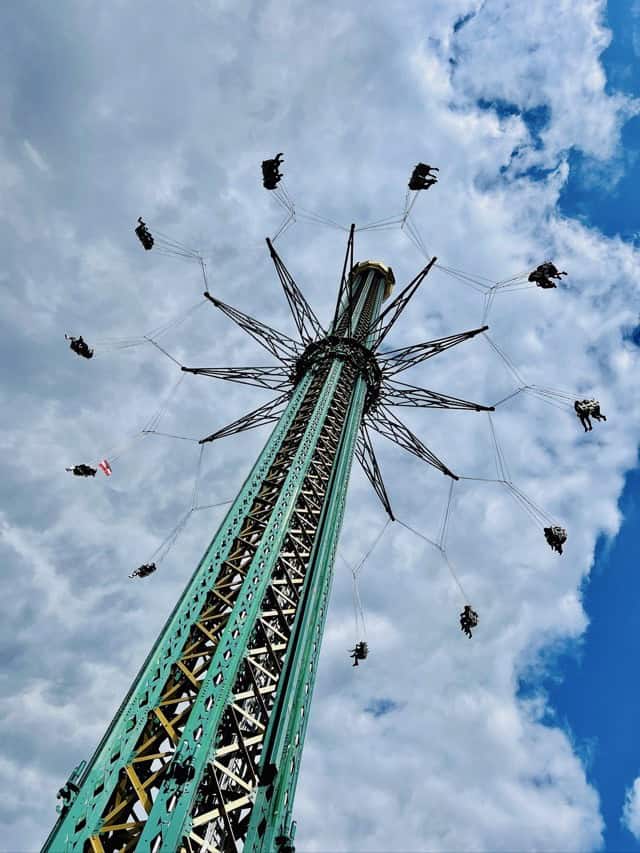
Spending €125+ on amusement park rides we were excited about is a good ROI for our family.
Spending €60 on forgettable amusement park food is a hard pass.
Admittedly, none of these money-saving decisions are especially revolutionary.
But over 110 days, small savings happened over and over and over again, and they added up.
We lived like we were living there
One of the biggest reasons our costs stayed reasonable was that we weren’t treating every day like a conventional vacation.
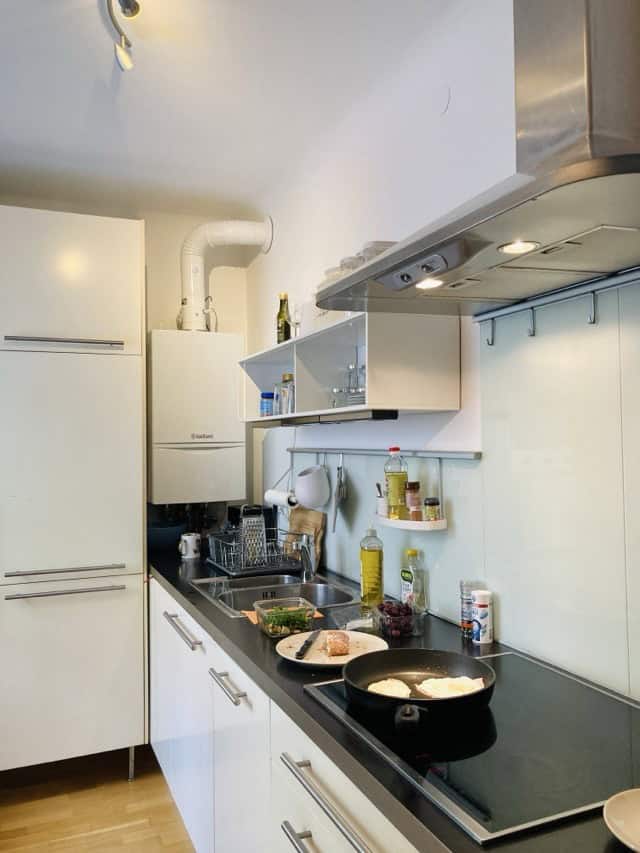
During our month-long stays, we had apartments with kitchens and did regular grocery shopping.
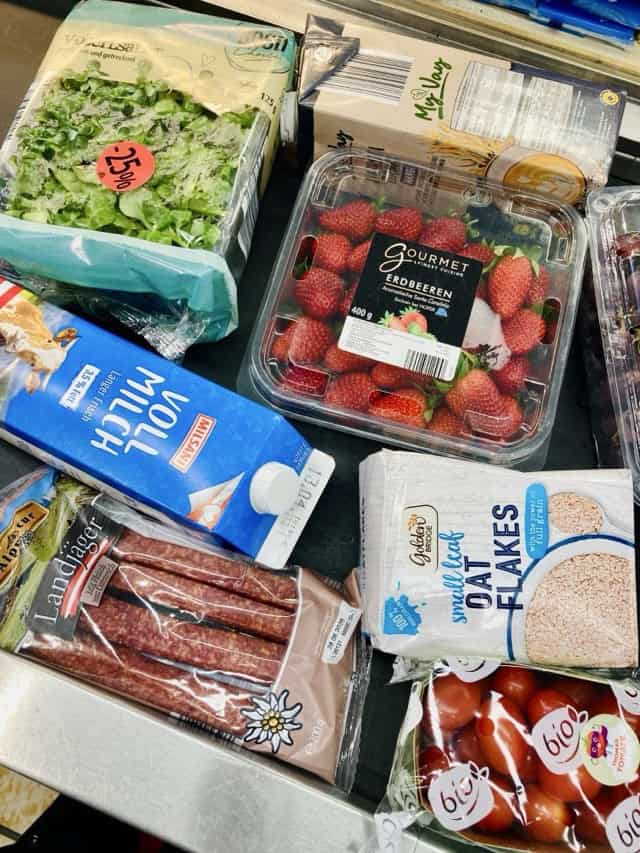
We used up leftovers. We bought store-brand products. We adjusted meals based on what was on sale. We were walking to neighbourhood grocery stores (and carrying all our groceries back in reusable totes), so we visited frequently, which meant we had virtually no food waste.
In other words, we behaved pretty much the way we do at home.
This is one reason I think there’s an important distinction between long-term travel and a really long vacation. I wrote more about what 110 days of family travel was actually like, because there was plenty of ordinary life mixed in with the castles and cathedrals.
Lots of days we explored a new country. And other days we stayed home, did laundry, and ate leftovers in our pajamas.
Both were part of the experience.
We paid attention to the details
I'm a planner. This is occasionally annoying (sometimes this shows up as me trying to control things, ahem), but overall it is tremendously handy when travelling.
Before paying full price for an attraction, I would check:
- Is there a free day?
- A discounted evening?
- A student rate?
- A family rate?
- Does buying online cost less?
- Is one day of the week cheaper than another?
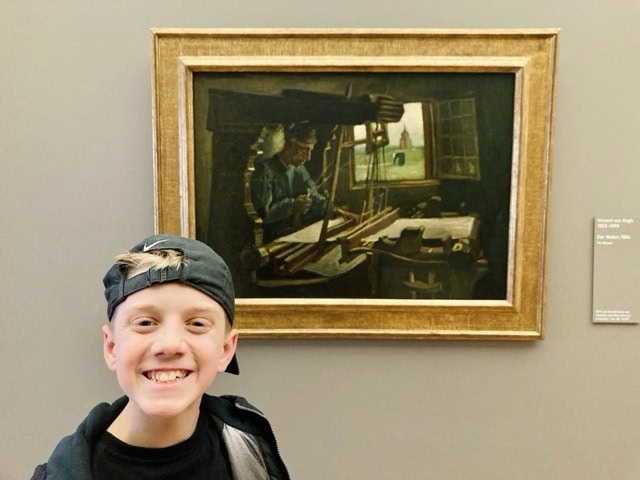
Doing this sort of research, I discovered that the Alte Pinakothek in Munich had discounted Sunday admission (adults were €1; kids were free). A Vienna aquarium had discounted weekday evening admission.
Helsinki’s amusement park, Linnanmäki, had special Fun Fare days early in the season, so we planned our visit for a discounted day and saved money on every wristband. (We also ate before we went and packed snacks and water.)
My takeaway after nearly four months of doing this?
Before paying full price for something, spend five minutes checking your options. This isn’t particularly glamorous advice, but those five minutes saved us hundreds (probably thousands) of dollars over the course of the trip.
We used public transit. A lot.
Public transit was one of our biggest money savers.
In Munich, a single Uber from the airport to our hotel would have cost more than a week of unlimited public transit for our family.
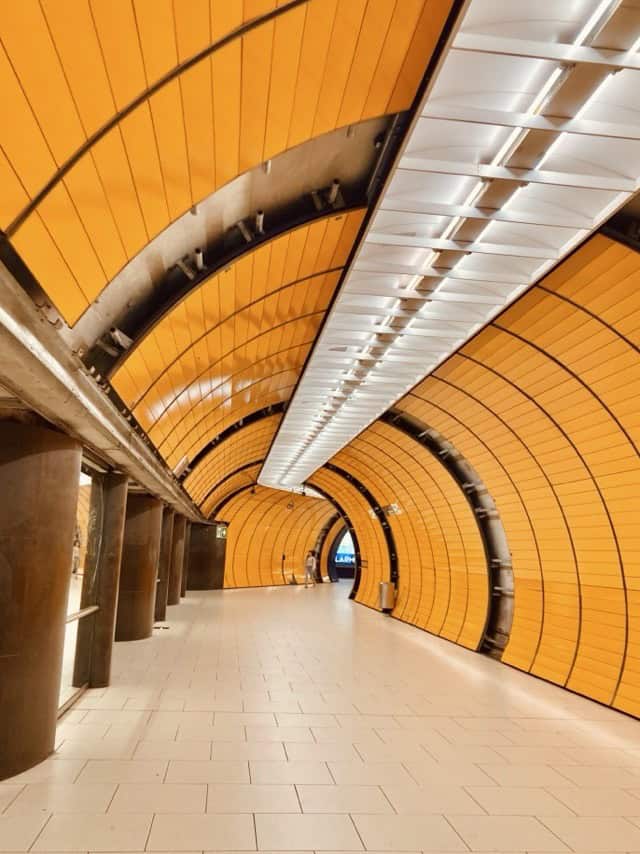
That made the decision fairly easy. We bought weekly passes. (And we also walked, a lot!).
We didn't book the cheapest accommodations
Accommodation is a place where I think “frugal” and “cheap” can diverge quickly.
We always set price caps when searching for places to stay.
That's helpful because we can't fall in love with pictures of a stunning apartment that costs twice what we want to spend if we never see it in the first place. (I talk more about this strategy in my guest episode on the Finance Girlies podcast.)
But within our price range, we don't automatically book the cheapest option.
- Location matters.
- Access to public transit matters.
- Having a grocery store nearby matters.
- For longer stays, having a kitchen and laundry REALLY matters.
- And space matters.
For our extended stays in Vienna, Helsinki, and Cardiff, one of my stipulations was that our teenage daughter have a room of her own.
So we booked two-bedroom apartments.
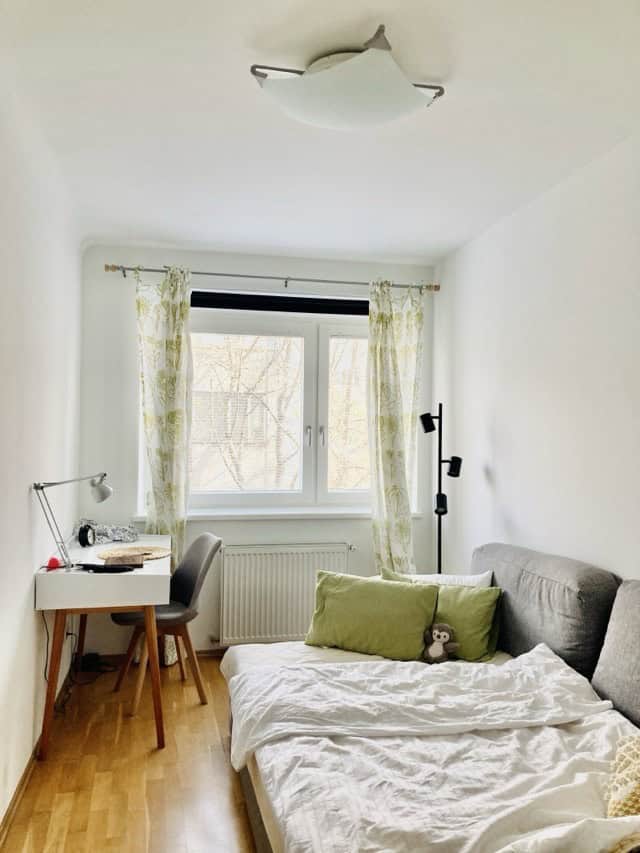
In Vienna, our apartment cost about $70 USD/night and had two bedrooms, a full kitchen, and a washing machine.
Could we have found something cheaper?
Probably.
But squeezing four humans into a smaller space for a month—or getting a place without in-apartment laundry—would have saved money at the expense of our collective sanity.
In that case, paying for extra space and particular amenities had an excellent ROI.
I don’t actually want to keep every dollar I save. Sometimes I want to move that dollar from something I don’t care about to something I care about A LOT.
We travelled light
All four of us spent 110 days in Europe with one small wheeled carry-on and one backpack each.
That’s it!
When I first mentioned we wouldn't be checking any bags, some people thought we had lost our minds. (I wrote a whole post about what worked—and didn’t!—when packing for 110 days with carry-ons, in case you're curious.)
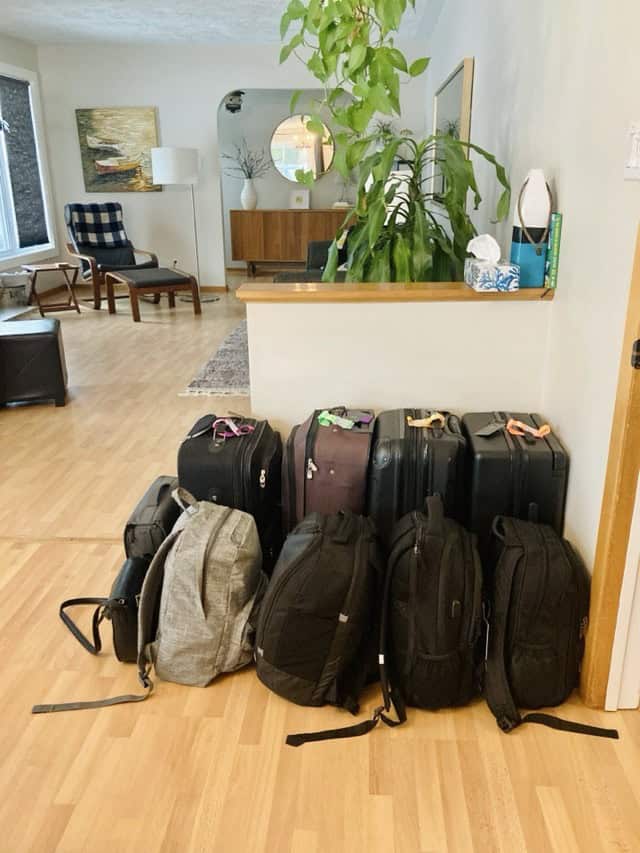
There were obvious financial benefits: We avoided checked-bag fees, and we also didn't need larger vehicles to accommodate luggage.
That latter point is a very real possibility: when we took our seven-day road trip, it was a tight squeeze to fit our four little carry-ons into the vehicle—and we had an SUV!
We would have needed a much larger (read: more expensive!) vehicle if we’d been travelling with traditional-sized checked luggage.
But the bigger payoff was convenience.
We took a LOT of trains and buses.
We climbed countless staircases.
We moved between countries regularly.
And small suitcases made all of that easier.
Once again, the ROI wasn’t just money... it was less stress!
We didn't confuse "free" with "worth it"
I LOVE FREE THINGS.
Free museum? My eyes light up.
Free walking tour? Tell me more!
Free samples at a chocolate store in Venice? I will be there with bells on.
But one thing I tried hard to avoid was letting a low price dictate our itinerary.
Something isn’t automatically worth doing because it’s free. And something isn’t automatically wasteful because it’s expensive.
Our time had value too.
If nobody cared about an attraction, we didn’t need to visit simply because admission cost nothing.
On the other hand, if something mattered to us, a significant ticket price didn’t automatically rule it out.
This is the part of frugality I think gets lost sometimes. Because the cheapest decision isn’t necessarily the “best” financial decision.
Money is only one resource. Time is another. So is energy.
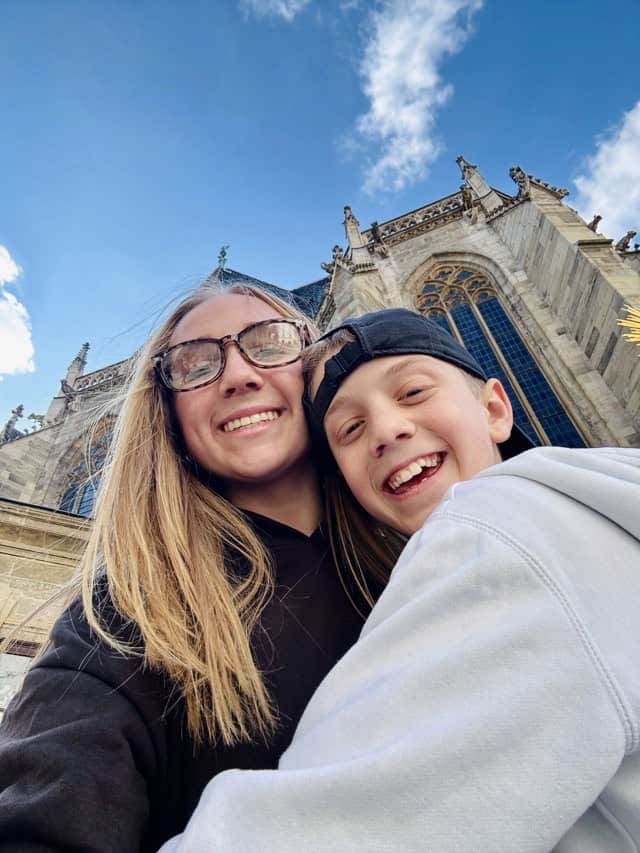
(And when travelling with kids, family goodwill should probably qualify as its own category.)
I wanted frugality to make the trip feel bigger, not smaller
My husband and I have spent years building our lives around a fairly simple financial philosophy: Save aggressively on things we don’t care about so we can spend more flexibly on the things we value most.
Travel is one of those things.
Taking our kids to Europe for almost four months was not objectively frugal. It would have been cheaper to stay home in Nova Scotia.
But because we’ve been intentional with money in so many other areas of our life, we were able to say yes to an experience that mattered to us.
And then, once we were there, we kept making the same basic calculation on a smaller scale.
- Does this matter to us?
- Will spending this money meaningfully improve the experience?
- Can we get the same result for less without adding a lot of inconvenience?
- Is there a cheaper option we would enjoy just as much?
- Are we about to spend half an hour inconveniencing everyone to save €3?
(We weren't literally running through a checklist of questions, but these are ingrained family/spending philosophies at this point.)
A simple way to think about travel spending
If you’re planning a trip—whether it’s four months in Europe or two nights a few hours from home—I think it can help to ask a few questions before you leave:
- What are the experiences we care about most? Give yourself permission to spend money there.
- What expenses add very little enjoyment? These are probably the easiest places to cut.
- What can we bring or prepare ourselves? Water, snacks, breakfast, and simple lunches can save a shocking amount of both time and money.
- Are there discounts we’re overlooking? Check free days, off-peak pricing, family rates, coupons, student rates, and advance tickets. (We once visited to Disneyland Paris on a Tuesday, and it was almost half the cost of going on the weekend. We were on vacation and had flexibility in planning our itinerary, so we VERY happily went on a week day when it was cheaper and less crowded!)
- What is the true cost of the cheaper option? Saving $20 isn’t necessarily a win if it costs two hours, three meltdowns, and everyone’s patience.
- What’s the ROI? Not just financially. Think in terms of memories, joy, convenience, and connection. One day in Copenhagen, my husband and I each bought a latte that cost almost $20 CAD. OBJECTIVELY RIDICULOUS. But those lattes bought us an hour of sitting together, relaxing, and people-watching. It remains one of the highlights of my time in Denmark. In this case, the ROI was very high—even though the drinks were overpriced.
There also isn’t one “right” answer. The attraction I’d happily spend $100 to visit might bore you senseless.
You might spend lavishly on restaurants while I’d rather eat a peanut butter sandwich and use the money somewhere else.
That’s the point!!!
Frugality isn’t about following someone else’s list of Things You Should Never Spend Money On. It’s about knowing what matters to you.
For our family, that meant 110 days of grocery-store meals, reduced produce, public transit, carry-on luggage, and free museum days.
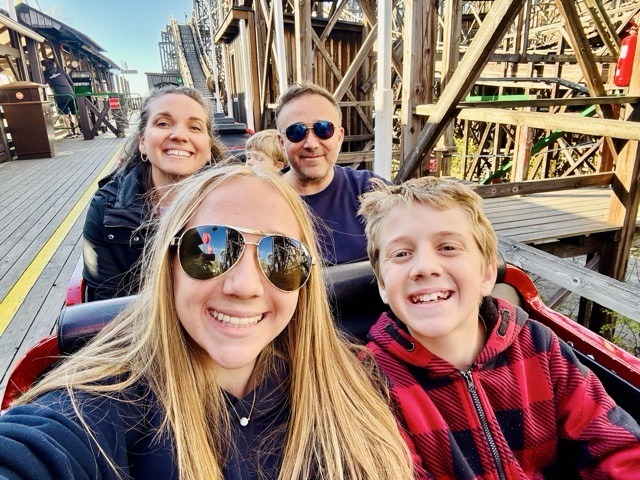
It also meant lots of roller coasters (not cheap, even with discounts!), the occasional fancy coffee, and a gondola ride in Venice.
I appreciated both ends of the spectrum.
At the end of the day, I can say with absolute confidence that frugality didn’t make our European adventure smaller.
In fact, it made the bigger adventure possible.
Come find me!
If you’re interested in hearing more about how I approach frugality in regular, non-European-adventure life (fewer gondolas, more thrift stores) you can find me at The Optimistic Musings of a Pessimist.
I write five days a week about frugal wins, travel, family life, books, gratitude, and all sorts of other ordinary-life miscellany.
I also write more personal, behind-the-scenes essays for my Lighthouse Keepers community on Patreon, where I tend to dig a little deeper into family life, gratitude, relationships, and whatever happens to be occupying my brain at the moment. (I know this is a frugal blog, and while there are a few free posts each month, the majority are paywalled; it's about $5.75 USD/month—and annual subscriptions shave 25% off that.)
_________
Elisabeth, thank you for sharing all this helpful info with us! I have an unused passport waiting for me to use after I graduate, and I will keep all of your tips in mind. 🙂

You just gave a masterclass in frugal traveling!
I think the idea that time and energy have a cost is where people who want to be frugal fail. And that individual preferences can change what aspects of an expense make it worthwhile. (I'm a picky eater , so spending big money on a fancy meal would always be a waste - but that's some people favorite thing about traveling!)
You really show how the frugal mindset doesn't put barriers up to having fun!
Lol that your kids complained about too many sandwiches. JUST LOOK at those delightful, gourmet-looking sandwiches.